Macklemore Launches 'Free Palestine' Tour After Being Dropped from Ed Sheeran's Stage
Baca dalam 60 detik
- Macklemore menggelar tur amal 'Free Palestine' di Dublin, Paris, dan London setelah dicoret dari tur stadion Ed Sheeran buntut pidato dukungannya.
- Kontroversi memicu gelombang solidaritas seniman dan boikot terhadap Sheeran, yang kehilangan hampir setengah juta pengikut di media sosial.
- Tur ini menandai eskalasi keterlibatan musisi global dalam isu geopolitik, dengan jadwal Amerika Utara menyusul dan potensi dampak pada industri hiburan Tanah Air.
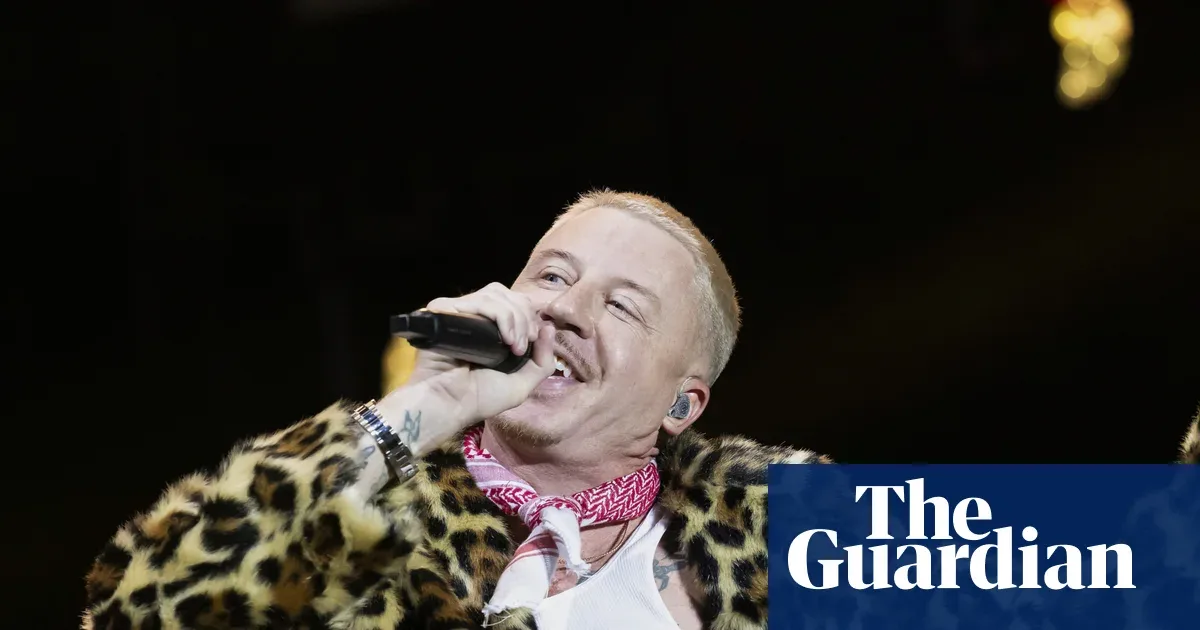
American rapper Macklemore has announced a series of charity concerts titled “Free Palestine,” to be held in Dublin, Paris, and London in late October. The move comes after he was removed from Ed Sheeran's stadium tour in North America for voicing support for Palestine on stage.
Macklemore's performance—real name Benjamin Haggerty—on 4 September triggered a strong reaction from several venue owners. In his speech, he called for “free Palestine” and expressed solidarity with the people of Gaza and the occupied West Bank. As a result, several venues refused to host concerts involving him, and Sheeran decided to remove him from the lineup.
The decision sparked controversy. Sheeran, in a written statement, denied responsibility for the dismissal and insisted “I was not involved.” However, the wave of protest turned against him instead. All of the artists supporting Sheeran's tour—Aaron Rowe, Finneas, Lukas Graham, and the group Beoga—resigned. Sheeran reportedly lost nearly 500,000 social media followers, according to Social Blade data cited by The Independent.
In a statement on Instagram, Macklemore called this moment a “collective awakening” over the past three years. “In 2026, being apolitical in the midst of a genocide is no longer acceptable. People are demanding that artists show up, educate themselves, and use their stage for more than just entertainment,” he wrote. He also highlighted the power of the billionaire class trying to silence critical voices, and stressed that what happened to him is a matter bigger than one artist or one stage.
Meanwhile, Sheeran returned to perform solo in Philadelphia on 19 September. In tears, he read an apology from a teleprompter, admitting he “made a mistake” and never wanted to be an activist musician. “Everyone asked me to cancel, and I felt abandoned by friends and family. But the 50,000 people here did not abandon me,” he said. A small number of fans demonstrated outside the venue, some even selling their tickets as a form of protest, though many others continued to show support.
“As Irish people, we deeply understand genocide, forced starvation, and violent occupation. I had to stay true to myself and to the ancestors who fought colonization,” said Aaron Rowe, one of Sheeran's former supporting artists, in his statement on why he stepped down.
Macklemore's tour will follow dates in North America, though lineup and location details have not yet been announced. “Because everything is moving so fast, many conversations, schedules, and details are still in process,” he wrote. He added that this is a “moment of momentum, and there is still work to be done.”
The list of organizations that will receive donations has been released, including Anera, Glia, Gaza Soup Kitchen, Taawon, Heal Palestine, Palestinian Youth Movement, Middle East Children's Alliance, Jewish Voice for Peace, Medical Aid for Palestinians, Institute for Middle East Understanding, Palestine Children's Relief Fund, and UNRWA USA. According to a press release, these institutions represent a range of support efforts for the Palestinian people, from medical aid and education to advocacy and media work.
Indonesian Context
For Indonesia, this dynamic is not merely international entertainment news. As a country with the largest Muslim population and a vocal supporter of Palestinian independence, the wave of solidarity among global artists could influence the domestic creative industry. Indonesian musicians who voice similar issues could face similar pressure from promoters or international platforms, especially if they want to perform in the global market. On the other hand, charity tours like this open opportunities for cross-country collaboration and more massive humanitarian fundraising, which may inspire similar movements in Indonesia.
Going forward, the public will watch whether Macklemore's move becomes a precedent for other artists to be more vocal on geopolitical issues, or instead triggers harsher retaliation from interested parties. Meanwhile, Sheeran still has to restore his reputation amid a divided fanbase. The question is, will the global music industry become increasingly polarized by politics, or will it find a new balance between artistic expression and commercial pressure?