Prabowo Welcomes First Asian Games 2026 Gold, Highlights Champion Mentality Amid Big Targets
Baca dalam 60 detik
- Presiden Prabowo Subianto mengapresiasi langsung atlet bulu tangkis yang menyumbang emas pertama Indonesia di Asian Games 2026.
- Kemenangan dramatis 3-2 atas China di final beregu putra menjadi penanda kebangkitan sektor olahraga prestasi.
- Pemerintah dihadapkan pada ujian konsistensi pembinaan jelang Olimpiade dan target jangka panjang.
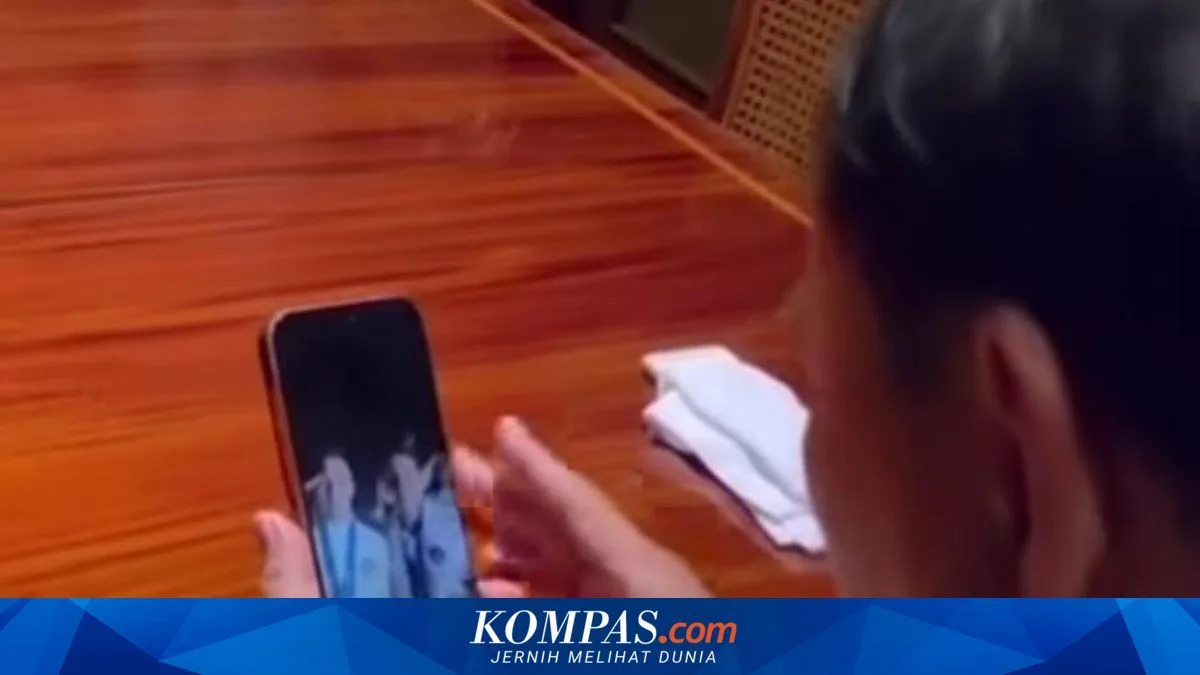
President Prabowo Subianto made a video call to three Indonesian badminton athletes who delivered the first gold medal for the Red and White at the 2026 Asian Games. In a brief conversation uploaded via the official presidential Instagram account on Thursday (24/9/2026) night, the Head of State expressed his gratitude for the hard work of Daniel Marthin, Leo Rolly, and Zaki Ubaidillah. The athletes' salute was returned directly by Prabowo, marking a warm moment between the government and the athletes amid a competition that is still running until 4 October.
The gold medal came from the fifth match of the men's team final, which pitted Zaki Ubaidillah against China's singles player, Weng Hongyang. Playing under pressure after Indonesia fell two points behind, Zaki was dominant and closed the match in straight games with a score of 23-21 and 21-13. The victory ensured Indonesia's 3-2 comeback over China, while breaking the gold drought that had been in the public spotlight. As of the latest report, the Indonesian contingent has collected one gold, four silver, and sixteen bronze medals.
The President's appreciation this time is not merely ceremonial. In recent years, scrutiny of national athlete development has sharpened, especially ahead of a multi-discipline sports agenda that demands a higher standard of competition. The victory over China in a sector that has long been their medal barn signals that Indonesia's men's singles regeneration is on track. However, one gold is not enough to significantly lift Indonesia's position on the standings board. The dominance of silver and bronze shows that the gap with elite nations still needs to be narrowed in key events.
"Thank you for your hard work. You have won the first gold medal. Keep fighting, bring honor to Indonesia's name," Prabowo said in a written statement.
From a policy standpoint, this moment is a test for the government in managing public expectations. The sports development budget, centralized training programs, and incentives for athletes and coaches will come under scrutiny again if medal targets are not met. Conversely, the first gold achievement can be political capital to strengthen the narrative of success in non-economic sectors. For investors and sports industry players, this positive signal could boost sponsor interest and the development of a healthier domestic competition ecosystem.
At the regional level, competition at the 2026 Asian Games remains dynamic. Several neighboring countries such as Thailand and Malaysia are also targeting a surge in medal haul, so Indonesia's position in the final standings will be largely determined by performance in other sports. Badminton is indeed a traditional contributor, but dependence on one sport carries long-term risk. Diversifying achievements, including in athletics, weightlifting, and archery, is homework that cannot be postponed.
Prabowo's video call to the athletes reflects an increasingly personal political communication pattern in the digital era. However, the public awaits more substantive follow-up: how the government ensures athletes not only excel on the Asian stage but also compete at the Olympics. Without reform of a sustainable development system, the euphoria of the first gold could quickly evaporate. The question is whether this momentum will be followed by real sports policy breakthroughs, or merely a fleeting spotlight on the timeline?