Alcohol Rules in English Football Stadiums Under Review: Between Tradition, Safety, and Business Opportunity
Baca dalam 60 detik
- Perdana Menteri Inggris Andy Burnham menilai larangan minum alkohol di tribun penonton sudah usang dan mendiskriminasi penggemar sepak bola.
- Liga Wanita (WSL) telah menghapus larangan serupa setelah uji coba sukses, sementara EFL mendukung revisi undang-undang, namun kepolisian tetap menolak dengan alasan risiko kekerasan.
- Perubahan regulasi berpotensi membuka aliran pendapatan baru bagi klub, tetapi tata kelola kerumunan dan keamanan menjadi taruhan utama.
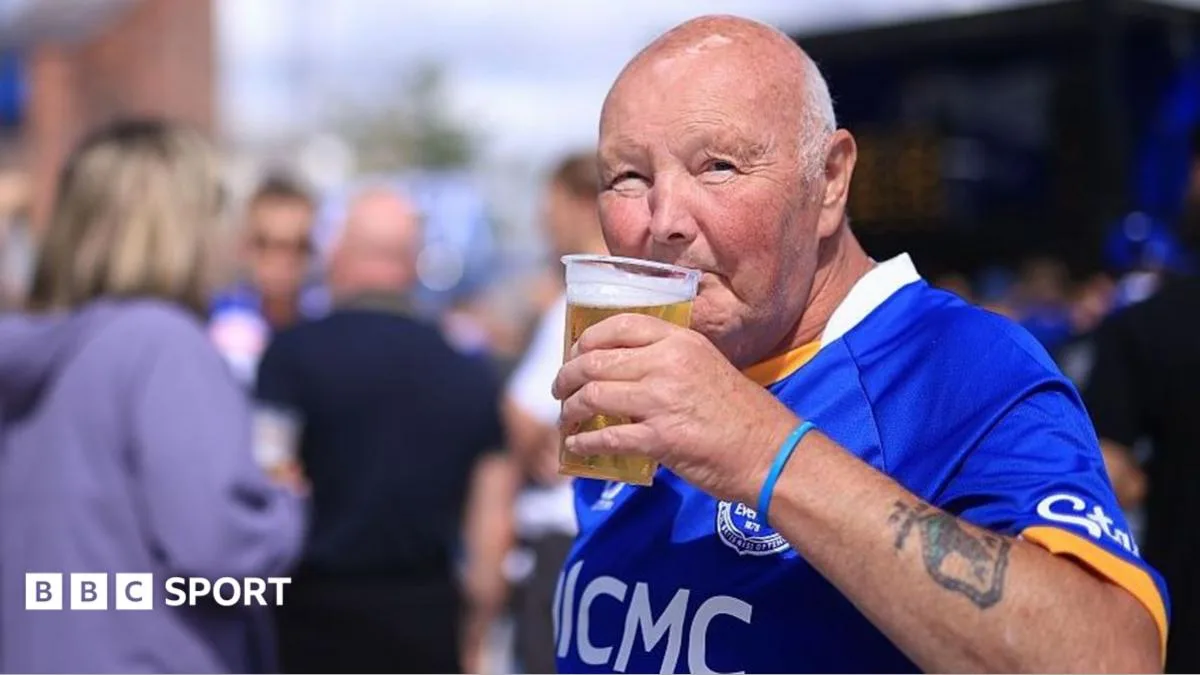
The debate over allowing alcohol consumption in the stands of English football stadiums has resurfaced after Prime Minister Andy Burnham said the rule in force since 1985 is no longer relevant. Burnham, known as an Everton supporter, stressed that football fans are treated differently from spectators of other sports such as rugby or music concerts held at similar venues.
The Sporting Events (Control of Alcohol) Act 1985 prohibits spectators from drinking alcohol in areas with a direct view of the pitch. Beer may be sold in stadiums, but it may only be consumed in the concourse or areas outside the stands. This ban applies to clubs from the Premier League to the National League, while in Scotland the rules are even stricter because alcohol is only available in hospitality areas.
A shift in attitude has begun to emerge over the past few seasons. The Women's Super League (WSL) has completed two trial seasons and has now lifted the ban on drinking in the stands, because women's competitions are not governed by the 1985 law. In Scotland, several clubs have taken part in a pilot scheme allowing alcohol sales in limited areas, and the trial was extended to national team matches.
Support for revising the rule also comes from the Football Supporters' Association (FSA). FSA chair Tom Greatrex considers the rule outdated and unfair. According to him, in Germany or other countries, drinking beer in stadiums is normal and civilised. The FSA argues clubs should be free to decide, in consultation with supporters, whether to sell alcohol in all stands, certain areas, or not at all.
However, strong opposition comes from the police. The English Football Policing unit stresses that alcohol plays a major role in violent behaviour and disorder, and football has a different track record from other sports. Several fans interviewed by the BBC also rejected the idea. A Chelsea supporter said they were 100% against it out of concern over the culture of throwing beer in the air when a goal is scored, which can make other spectators uncomfortable. A Leicester supporter called it the worst idea, given that football is tribal and has often been marred by supporter problems.
"I am sure there is a case for removing this discrimination," Burnham said, as quoted by the BBC, arguing that football fans are treated unfairly compared with spectators of other sports.
International comparisons show a diversity of approaches. In Germany, drinking beer at stadium seats is common, and even beer vendors can be found outside the gates. Italy imposes a 5% alcohol limit and suspends sales at high-risk matches. Spain only allows non-alcoholic beer in non-hospitality areas, but it can be taken to the seats. France, through the 1991 Evin Law, bans alcohol sales at sporting events except in VIP areas.
For Indonesia, this dynamic mirrors how sports regulation, safety, and consumer rights can collide. Although the cultural and legal contexts differ, the discussion highlights the importance of modern crowd management and an evidence-based approach before adopting policy. If England opens the tap, it is not impossible that leagues in Asia, including Indonesia, will review similar rules by taking into account social norms and infrastructure readiness.
Going forward, will the law be revised or remain a talking point? It all depends on the balance between demands for freedom, clubs' commercial interests, and guarantees of spectator safety. What is clear is that the status quo is increasingly difficult to maintain amid changing public expectations and evolving stadium governance.