Newcastle University Appoints Indian Oil Heir as Professor of Sustainability, Global Scientists React
Baca dalam 60 detik
- Anant Ambani, putra orang terkaya India, diangkat sebagai profesor praktik keberlanjutan di Newcastle University.
- Penunjukan ini menuai protes dari akademisi dan aktivis lingkungan karena rekam jejak Vantara, kebun binatang raksasa miliknya, yang diduga terkait perdagangan satwa ilegal.
- Kasus ini memicu diskusi tentang pengaruh dana korporasi terhadap independensi akademik, termasuk di Indonesia.
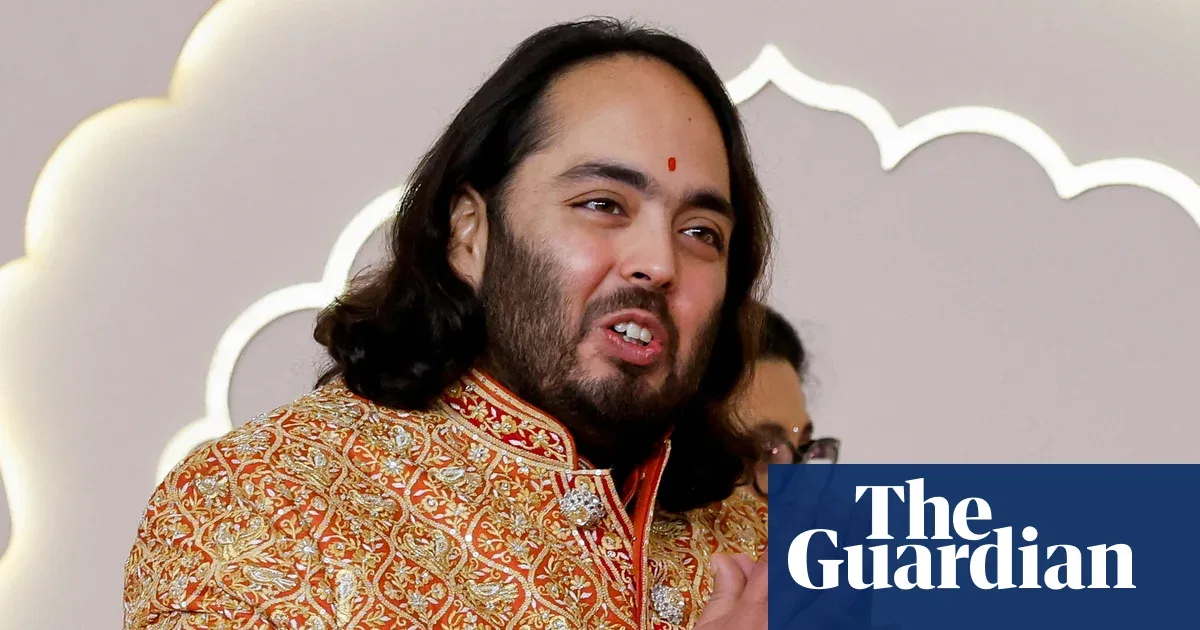
Newcastle University in the UK is facing a wave of criticism after awarding a professor of practice title in sustainability to Anant Ambani, heir to an Indian oil and gas fortune who also runs a controversial giant zoo. The decision was announced this week and immediately drew sharp reactions from academics and environmental observers.
Ambani, 31, is the son of Mukesh Ambani, India's richest man, who built a business empire from the oil and gas sector. Mukesh owns the world's largest oil refinery and is known to be close to the ruling Bharatiya Janata Party (BJP). Prime Minister Narendra Modi even attended Anant's lavish 2024 wedding. Anant's fortune is estimated at £90 billion, and he serves as the renewable energy transition lead on the Reliance Group executive board.
The university said the award was given for "Ambani's contributions to conservation, biodiversity protection, animal welfare, and environmental stewardship" through Vantara, a 1,400-hectare zoo in Gujarat that he founded. Vantara is billed as an animal rescue center with more than 150,000 animals, including 200 lions, 250 leopards, and 900 crocodiles. However, conservation groups have long questioned the origin of the animals, especially since many are endangered species. Vantara itself has never been found legally at fault.
Reactions came from various quarters. Ramachandra Guha, a leading Indian intellectual and author of books on environmental history, called Newcastle's choice "deeply puzzling." He argued there are at least 50 to 100 individuals far more deserving of the award, such as soil scientists, energy experts, water conservation specialists, and community forest workers who have made real contributions to sustainability in India. Guha questioned the basis of the university's consideration and whether adequate due diligence had been done. "This will likely damage the institution's credibility and the university's intellectual standing," he said.
Bhuvan Mangalore, a researcher on illegal wildlife trade who is writing a dissertation on Vantara at Anglia Ruskin University, simply asked, "Is this a joke?" Meanwhile, Prof Matt Perry, chair of the faculty union at Newcastle University, revealed that staff had rejected the appointment on environmental grounds. Prof Lyla Mehta of the University of Sussex warned of the danger when philanthropic and corporate funds begin to shape academia. "Universities should be places that question power and hold corporations accountable, not give them academic legitimacy," she said.
"At a time when the climate crisis demands an immediate end to oil and gas, we must demand better of our public institutions," said Lorne Stockman of Oil Change International.
This controversy is not the first for Vantara. In 2025, an investigation by the German newspaper Süddeutsche Zeitung revealed that many animals sent to Vantara came from countries with opaque wildlife trade networks such as the Democratic Republic of the Congo and the United Arab Emirates, raising concerns about illegal trade in endangered species. An Indian Supreme Court investigation in August last year cleared the zoo's operators of wrongdoing, but a Cites fact-finding mission found that some import permits were likely forged. Cites recommended restrictions on India's wildlife imports, but the decision was withdrawn after protests from India, the US, and Japan. Last August, Vantara announced an operational "reset" by appointing a former Cites head and voluntarily halting all animal imports until June next year.
Ambani and Vantara declined to comment for this article, but they have previously denied allegations of illegal wildlife trade. "Our mission and focus remain on rescuing, rehabilitating, and caring for animals," they said in a statement. A Newcastle University spokesperson defended the decision, saying the professor of practice title was given to recognize Ambani's contributions through Vantara and his role as a green energy transition leader at Reliance Group.
Indonesian Context
This case highlights an issue that is also relevant in Indonesia: the growing role of corporate and philanthropic funds in higher education. Several universities in the country have begun partnering with large companies for sustainability programs, research, and scholarships. While this can support funding, dependence on corporate money risks eroding academic independence and blurring the line between business and public interests. In addition, Indonesia is one of the most biodiverse countries and faces serious challenges in illegal wildlife trade. The appointment of a figure involved in an animal controversy like this can raise questions about ethical standards in international cooperation on conservation.
Going forward, Newcastle University faces a credibility test: will it stand by the decision or review it amid global pressure? Meanwhile, for Indonesia, this moment can serve as a mirror to strengthen governance and transparency in academic partnerships with the private sector, so that sustainability commitments do not become merely an image-building tool.