Rp60 Million Backup Battery: When Refurbished Prices Become a Hidden Trap
Baca dalam 60 detik
- Seorang pembeli di AS merogoh kocek sekitar $3.700 untuk unit EcoFlow Delta Pro Ultra 6kWh refurbished dari toko eBay resmi, diklaim sebagai penghematan besar.
- Diskusi di Reddit mengungkap bahwa biaya kabel, konektor, dan panel surya tambahan bisa menggerus penghematan tersebut, dengan peringatan keras soal batas voltase.
- Bagi konsumen Indonesia, tren perangkat bekas ini membuka peluang hemat energi, tetapi juga menuntut pemahaman teknis agar tidak berujung kerugian.
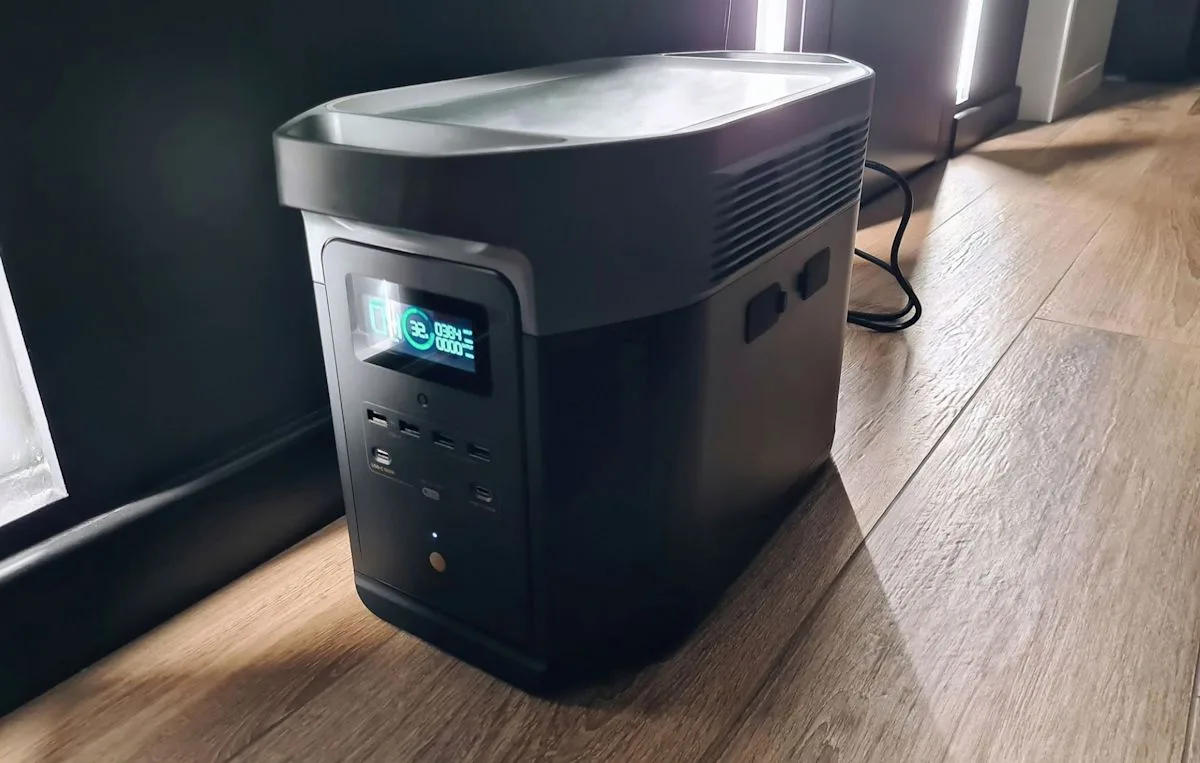
A buyer in the United States claims to have saved thousands of dollars after getting a refurbished EcoFlow Delta Pro Ultra 6kWh backup battery unit for about $3,700 from the company's official eBay store. However, the euphoria quickly turned into a technical discussion that served as a reminder that a low price on the main device is only a small part of the total cost of owning a home solar energy system.
In a Reddit post, the buyer, who described himself as a beginner, wrote that he had also ordered a 400W solar panel. He asked whether several 10-foot solar extension cables could be connected, and whether a compatible 50-foot option was available. The simple question triggered warnings from other users: connecting many extensions is considered dangerous and potentially damaging to the device.
One commentator emphasized that the Delta Pro Ultra has two solar inputs with different voltage ranges. He warned against exceeding the voltage limit, because excess power can still be tolerated, but voltage above the specification can cause total device failure. Another suggestion advised the buyer to consider used solar panels from Facebook Marketplace or cheaper new rigid panels, instead of buying branded accessories that cost more.
This phenomenon is not merely a savings story. Behind it lies an important lesson about the economics of clean energy: discounted main devices often become a gateway to unexpected follow-up spending. Cables, connectors, and branded accessories can add hundreds of dollars, bringing the total cost close to the price of a new unit. For households wanting to switch to solar energy, understanding technical specifications and planning a comprehensive budget is key.
This pattern resembles the increasingly popular thrifting trend, or buying secondhand goods, including in Indonesia. Consumers can access expensive technology at a much lower price, but must be discerning. In the domestic market, e-commerce platforms such as Tokopedia and Shopee have begun offering used portable batteries and solar panels, although warranties and after-sales support are often limited. Regulations on imports and safety standards for energy devices also remain a challenge.
"Do not connect multiple extensions! Use the appropriate solar cable and the correct crimp connectors," wrote a Reddit user, as quoted from the discussion.
For Indonesian consumers, the appeal of low prices on refurbished devices is indeed tempting, especially amid rising electricity costs. However, without an understanding of voltage, current, and cable size, the risk of damage or even fire can increase. The government, through the Ministry of Energy and Mineral Resources (ESDM), is actually encouraging the use of renewable energy, but technical education for household consumers remains minimal. Outreach about safe limits for DIY installation needs to be strengthened so that the energy transition does not create new problems.
Going forward, the question is not only whether consumers can get a low price, but whether they are ready to bear the hidden costs and technical risks that come with it. Without adequate understanding, a large discount on the main device can turn into unexpected expenses that end up being a burden.