RTX 5090 Hits Rp180 Million: The End of Gaming GPUs or the Start of a New Era?
Baca dalam 60 detik
- Harga RTX 5090 melonjak hingga $12.000 (sekitar Rp180 juta) di ritel AS, jauh di atas MSRP $2.000 saat peluncuran.
- Lonjakan dipicu permintaan AI dan kelangkaan pasokan, membuat kartu grafis ini tak lagi relevan untuk gamer.
- Konsumen Indonesia harus waspada: harga GPU high-end di dalam negeri berpotensi ikut meroket dan stok makin langka.
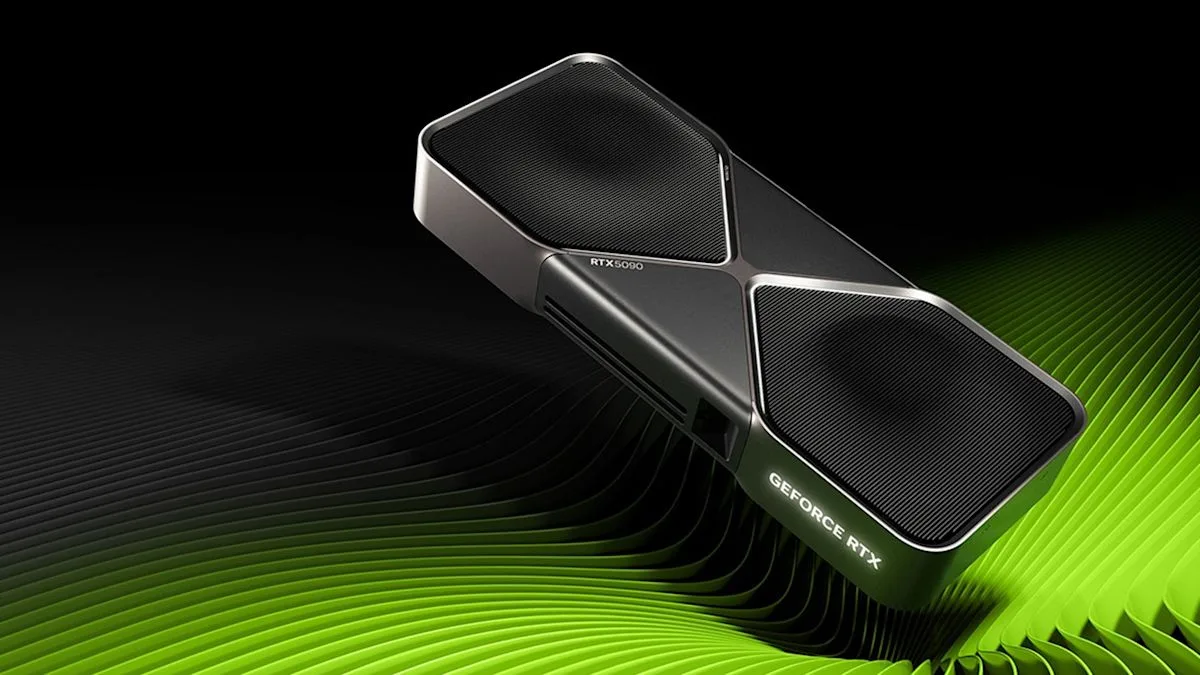
The world's most powerful graphics card, the Nvidia RTX 5090, has turned into a luxury item whose price no longer makes sense for gamers. In the US retail market, the standard model has broken $9,000, while special editions have been recorded at $12,000—around Rp180 million at an exchange rate of Rp15,000. That price is equivalent to a family car in Indonesia, and it signals that the era of high-end gaming GPUs may have ended.
The RTX 5090's launch in early 2025 began with a suggested retail price (MSRP) of $2,000. But within months, market prices soared far beyond that figure. A recent report from VideoCardz even found a $12,000 price tag at a Micro Center store for a special edition of the card. That figure is double the already astronomical launch price.
The surge is not without cause. The RTX 5090 packs 32GB of VRAM and outstanding AI performance, making it a darling for artificial intelligence companies, researchers, and data centers. Demand from the booming AI sector—similar to the crypto craze a few years ago—has drained supply, so gamers, the intended marketing target, have been squeezed out by market forces.
The price-to-performance comparison makes the irony even clearer. The RTX 5080, priced at $1,600, offers 50% lower speed than the 5090. Meanwhile, the AMD Radeon RX 9070 XT at $800—nearly a fifth of the 5090's price—is a far more rational choice for gamers. For the same money as one RTX 5090, a buyer could purchase 15 RX 9070 XT units and build several high-end PCs.
"I think it's fair to say the RTX 5090 is dead as a consumer component," a technology analyst wrote in the report, adding that the card remains the fastest, but its price has exceeded the bounds of common sense.
This phenomenon is not just a US market story. For Indonesia, the impact is tangible. PC component prices at home often follow global movements with a lag of a few weeks. If this trend continues, gamers and content creators in the country must prepare for higher high-end GPU prices, or switch to more affordable options such as the RTX 5080 series or AMD cards. Scarce stock could also trigger scalping, as happened with the RTX 30 and 40 series.
Indonesia's GPU market itself is still dominated by mid-to-low-end cards, priced below Rp10 million. However, enthusiasm for flagship cards remains, especially among streamers, video editors, and heavy gamers. This extreme price increase could hit that segment, while local AI industry players—who are starting to grow—may still chase the 5090 for computing needs, albeit at ballooning costs.
Going forward, the question is no longer whether the RTX 5090 will return to normal prices, but whether Nvidia will change its product segmentation strategy. If AI demand continues to outstrip supply, high-end consumer GPUs could become a rare species affordable only to corporations. Gamers may have to accept that the fastest cards are no longer for them—or switch to more sensible alternatives. What about you, still saving up for an RTX 5090?