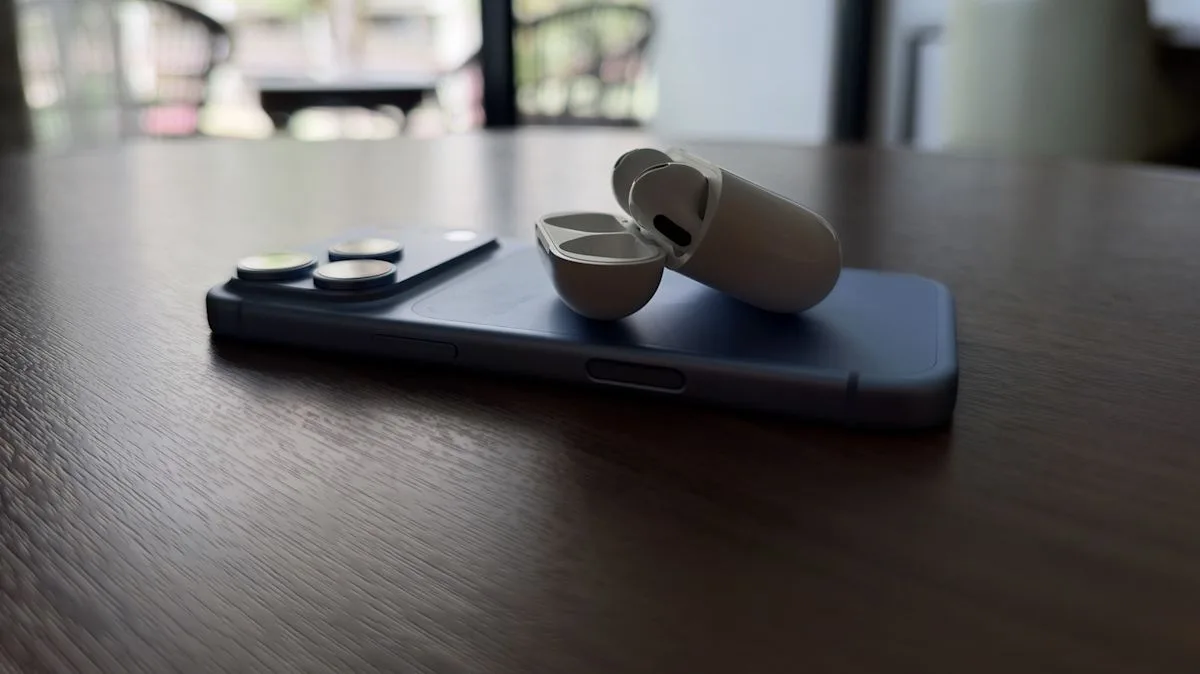
15 Smart Home Devices Actually Worth Buying, According to a Tech Expert
Baca dalam 60 detik
- Pakar teknologi membagikan pengalaman pribadi setelah tujuh kali pindah rumah dan menguji berbagai perangkat pintar.
- Perangkat seperti smart plug, smart lock, dan pengontrol irigasi memberikan manfaat nyata, sementara smart faucet dan kulkas pintar sering bermasalah.
- Kunci sukses adopsi smart home adalah memilih perangkat yang menawarkan keandalan, bukan sekadar fitur canggih.
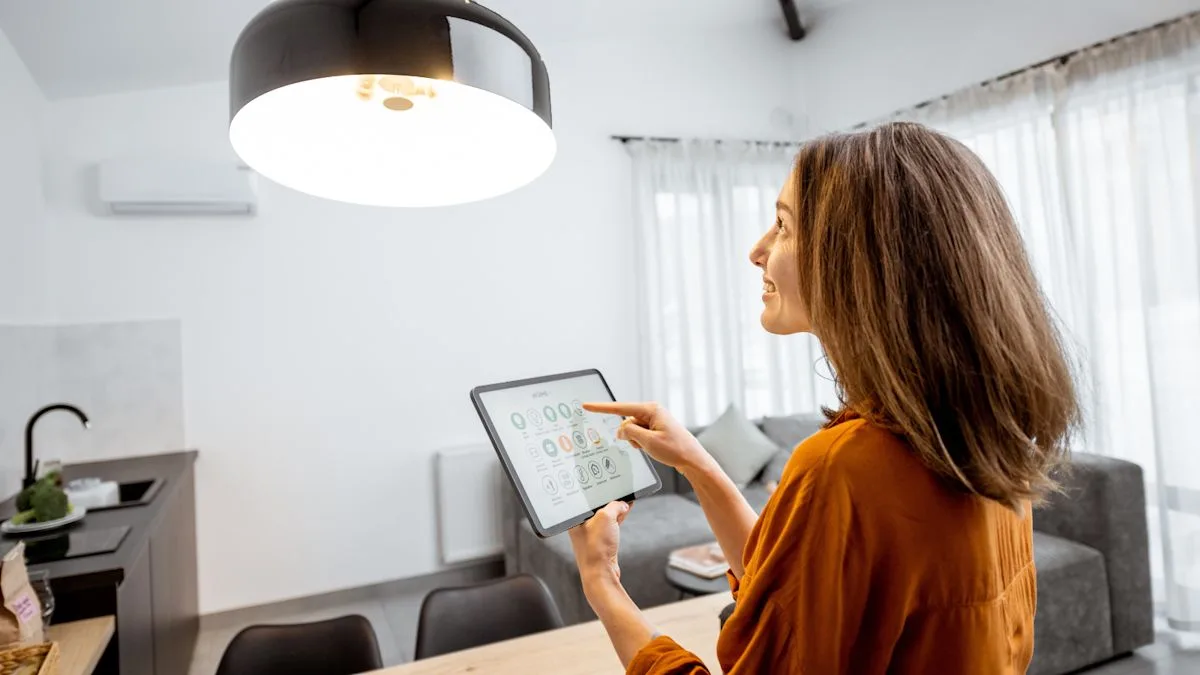
After moving seven times in the first seven years of his marriage, a tech expert finally settled down and shared his experience about which smart home devices are actually worth the investment. In his article for Yahoo Tech, he revealed that not all smart devices deliver the convenience they promise—some actually add problems.
The expert emphasized that smart home technology is highly uneven. Some devices work seamlessly every day, while others break down exactly when you rely on them. He called smart plugs, smart garage door openers, and smart locks "easy wins," while his smart faucet worked well for a while before eventually breaking and crippling the entire kitchen. His neighbor's experience with a problematic smart fridge and stove further convinced him to keep major appliances "dumb" or non-smart.
According to the expert, smart home devices worth buying are those that quietly improve daily life, such as better lighting and automated routines that run in the background without much adjustment. He recommends replacing regular light switches with smart switches rather than replacing all bulbs, as it is cheaper and more practical. Smart plugs are also very useful for turning off appliances remotely, such as an iron or coffee maker, and even for turning on Christmas lights automatically.
For security, he suggests water leak sensors that can prevent costly damage, the MyQ smart garage door opener that can be controlled from anywhere, and smart smoke and carbon monoxide alarms that send notifications to your phone. Ring cameras and smart floodlights are also considered investments that provide peace of mind, especially when traveling.
In the foundation category, he highlighted the importance of strong Wi-Fi, efficient climate control, and energy usage monitoring. Smart irrigation controllers are very helpful in dry areas like Colorado, where he lives, because they can adjust watering based on the weather. A smart energy monitor helped him track electricity consumption and save money when electricity rates rose. He also praised a three-node mesh Wi-Fi system like Eero for being easy to set up and providing a strong signal throughout the house.
However, not all smart devices are worth buying. Smart scales are indeed useful for tracking weight, but the accuracy of their body fat measurements is questionable. Air purifiers are beneficial in areas prone to wildfires or allergies, but the ongoing cost of filters makes them less economical for daily use. Smart baby monitors can provide peace of mind for new parents, but false alarms can actually add stress. Smart calendars and task boards may reduce mental clutter, but for many people, a phone is enough. The smart faucet, despite his initial liking for it, was eventually replaced with a regular touch faucet that was cheaper and more reliable.
"A good smart home device is one that works without much maintenance and truly solves everyday problems," said the expert.
For consumers in Indonesia, this trend is relevant given the growing number of households adopting smart devices. However, it should be noted that stable internet and electricity infrastructure are prerequisites. Additionally, the price of smart home devices in Indonesia is still relatively expensive, so consumers must be selective in choosing devices that truly provide added value. Reliability and after-sales support are also important factors, especially for products that depend on an internet connection.
Going forward, smart home adoption is predicted to continue increasing along with wider internet penetration and falling device prices. However, the lesson from this expert shows that not all smart devices are created equal. Consumers need to carefully assess whether smart features truly add value or become a burden. In the end, technology should simplify life, not add complexity.