Neil Jordan Reveals Why 'Interview With The Vampire' Didn't Rely on Jump Scares
Baca dalam 60 detik
- Sutradara Neil Jordan menegaskan film vampirnya tahun 1994 sengaja menghindari jump scare karena karakter abadi sulit ditakuti secara fisik.
- Pendekatan horor berbasis dread dan eksistensial itu justru membuat film bertahan sebagai kultus dan kini dirilis ulang dalam format 4K.
- Keputusan artistik ini menawarkan pelajaran bagi industri horor modern yang kerap bergantung pada kejutan instan demi meraup keuntungan cepat.
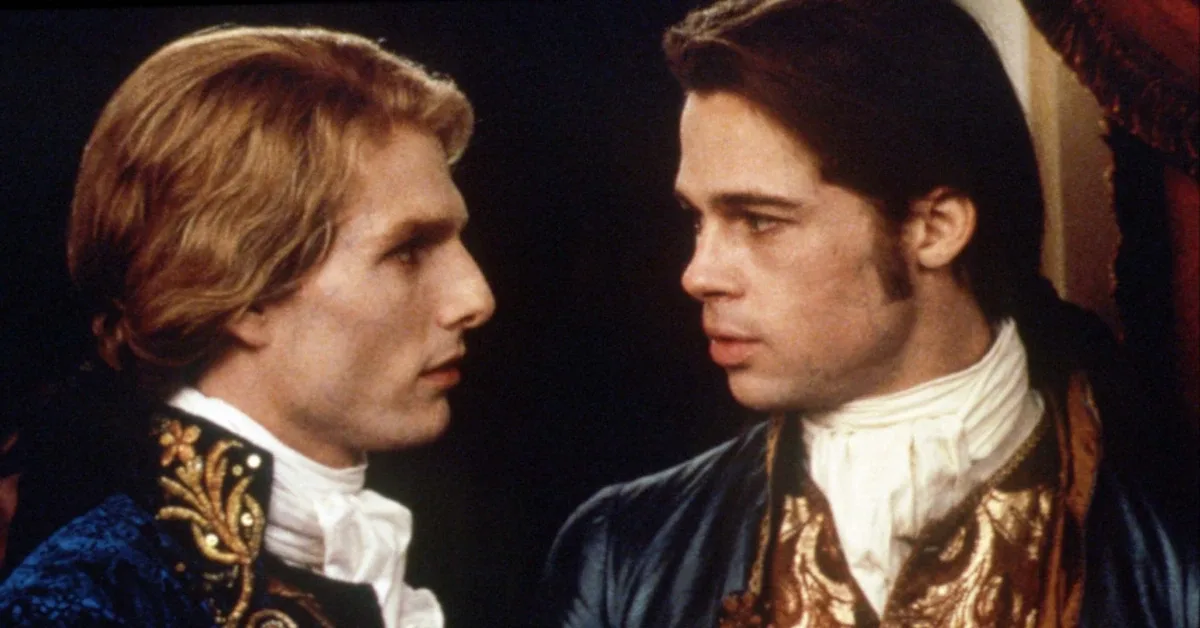
The 1994 film Interview With The Vampire did not rely on jump scares to frighten audiences. Director Neil Jordan revealed that this decision was made because the vampire characters in the story could not be killed conventionally, thus the horror approach had to be built through prolonged anxiety.
In an interview with Variety coinciding with the film's re-release in 4K UHD Blu-ray format, Jordan explained that the studio had questioned whether the film was scary enough. However, he argued that physical threats like being burned or exposed to sunlight were not enough to startle the audience, because the vampires remained alive. "You can't kill them. You can wound them, burn them, or expose them to sunlight. But you can't even effectively decapitate them," he said.
Jordan believes that the fear in this film stems from existential ideas, not from visual surprises. He referred to Anne Rice's central novel theme: the punishment of time. "It becomes about dread. It becomes about what Anne wrote: the punishment of time. But that's probably not the best subject for a horror film in general," he added. According to him, terror must come from within and from the characters' own ideas.
Jordan also highlighted Anne Rice's legacy, which changed perceptions of vampires. He believes Rice took the archetype from Bram Stoker's Dracula and placed it in an 18th and 19th-century French-Louisiana setting, then made the question of immortality the focus. "What does it feel like if you're given the gift of eternal life? What does it feel like to live forever? How bored would you get with your partner—whether it's Tom Cruise, Brad Pitt, or Kirsten Dunst?" he mused. "Most people can't survive a marriage. How do you survive eternity with someone else?"
"Terror must come from within, or terror must come from the characters' own ideas." — Neil Jordan
This horror approach, prioritizing atmosphere and psychology, differs from contemporary horror genre trends that often rely on sudden scares to trigger instant reactions. Nevertheless, Interview With The Vampire has endured as a cult film and spawned a television series adapted from Rice's work. This demonstrates that fear built slowly can have greater longevity than mere momentary shocks.
For Indonesian audiences, this phenomenon reflects a shift in taste within the domestic horror film market. In recent years, Indonesian horror films like Pengabdi Setan (Satan's Slaves) and KKN di Desa Penari (The Dancer Village KKN) have achieved great success by blending jump scares with psychological terror. The success of these films indicates that Indonesian viewers are not only seeking the thrill of surprise but also narrative depth and a chilling atmosphere. Thus, Neil Jordan's strategy in Interview With The Vampire can serve as a reference for local filmmakers to explore more sublime forms of terror.
Looking ahead, will the horror industry increasingly shift towards psychological approaches as demonstrated by Jordan, or will it stick to the commercially proven jump scare formula? This debate will remain relevant as audience preferences change and streaming platforms evolve, demanding more complex narratives.