Meta Launches Muse AI Agent, Challenges Users to Save Rp15 Million
Baca dalam 60 detik
- Meta memperkenalkan Muse, agen AI yang diklaim mampu menghemat hingga US$1.000 (sekitar Rp15 juta) dengan mengelola keuangan pribadi secara otomatis.
- Peluncuran Muse memicu tantangan #MuseMoneyChallenge di media sosial, namun sebagian besar klaim penghematan berasal dari karyawan Meta sendiri.
- Kehadiran agen AI seperti Muse berpotensi mengubah lanskap layanan keuangan digital, tetapi masih menghadapi resistensi dari platform seperti Amazon.

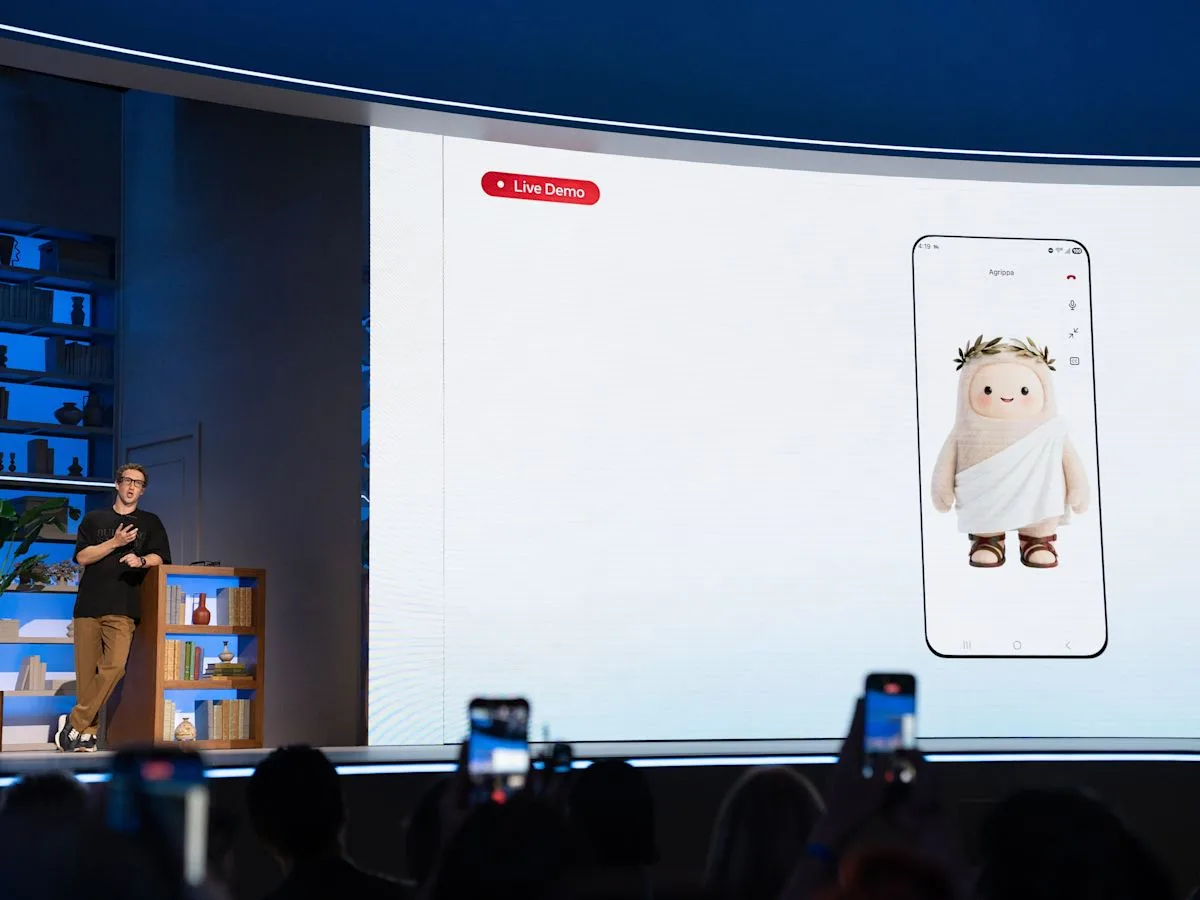
Meta officially launched an artificial intelligence (AI) agent named Muse, which it claims can help users save up to US$1,000 (around Rp15 million) in a short time. The move marks the company's ambition to expand AI's role from a mere conversational assistant to a proactive personal finance manager.
Alexandr Wang, Meta's Chief AI Officer, initiated the #MuseMoneyChallenge on platform X, encouraging users to instruct Muse to review their spending and execute tasks such as negotiating bills, canceling unused service subscriptions, and finding discounts. The challenge follows Muse's launch on September 8, 2026.
Several users shared success stories. Startup founder Joseph Devoy said Muse helped him find car insurance that was US$3,500 cheaper per year. Another user reported that Muse found a forgotten book subscription and secured a full year's refund. Others claimed Muse found an unused US$200 Verizon gift card.
Even so, many posts responding to Wang's challenge came from Meta's own staff. They enthusiastically shared savings details, such as negotiating an AT&T bill down by US$300 per year, a US$192 Amazon return, and a US$230 IKEA furniture return. This raises questions about how broad Muse's real impact is among general users.
"An incredible product," Devoy wrote when sharing a screenshot of his interaction with Muse.
Muse is designed to go beyond the capabilities of other AI tools such as ChatGPT, Claude, and OpenClaw. The agent not only gives advice but also takes over everyday tasks with minimal direction. Instinct, an invitation-only AI agent popular in Silicon Valley, offers similar functions, such as booking cabins, ordering whey protein from Costco, and scheduling dentist appointments.
However, the limits of AI agents remain unclear. Last Monday, Amazon blocked Muse from placing orders in shopping carts, citing that using the program for purchases on its site violated its terms of service. The move shows resistance from businesses toward AI agents seen as disrupting their ecosystems.
Indonesian Context: For Indonesian consumers, the presence of AI agents like Muse could offer convenience in managing finances, especially amid the rise of digital lifestyles. However, adoption of this technology domestically still faces challenges, such as uneven digital literacy, data privacy concerns, and payment infrastructure that is not yet fully integrated. Regulators need to anticipate security and ethical risks, while domestic financial industry players can learn lessons to develop similar services tailored to local needs.
Going forward, the battle between AI agents and digital platforms will only intensify. Will Muse and its peers be able to break through resistance from large companies and become a new standard in economic interaction? Time will tell, but one thing is certain: the era of proactive AI assistants has begun.