Harvest Moon 2026: Late September's Bright Full Moon Aids Farmers
Baca dalam 60 detik
- Purnama Harvest Moon akan menghiasi langit malam Sabtu, 26 September 2026, dan dapat disaksikan tanpa alat bantu optik.
- Fenomena ini terjadi karena posisi bulan yang dekat dengan ekuinoks musim gugur, memberikan cahaya ekstra bagi para petani saat panen.
- Bagi pengamat di Indonesia, momen ini menjadi kesempatan untuk menikmati keindahan langit sekaligus memahami kearifan lokal dalam penanggalan tradisional.
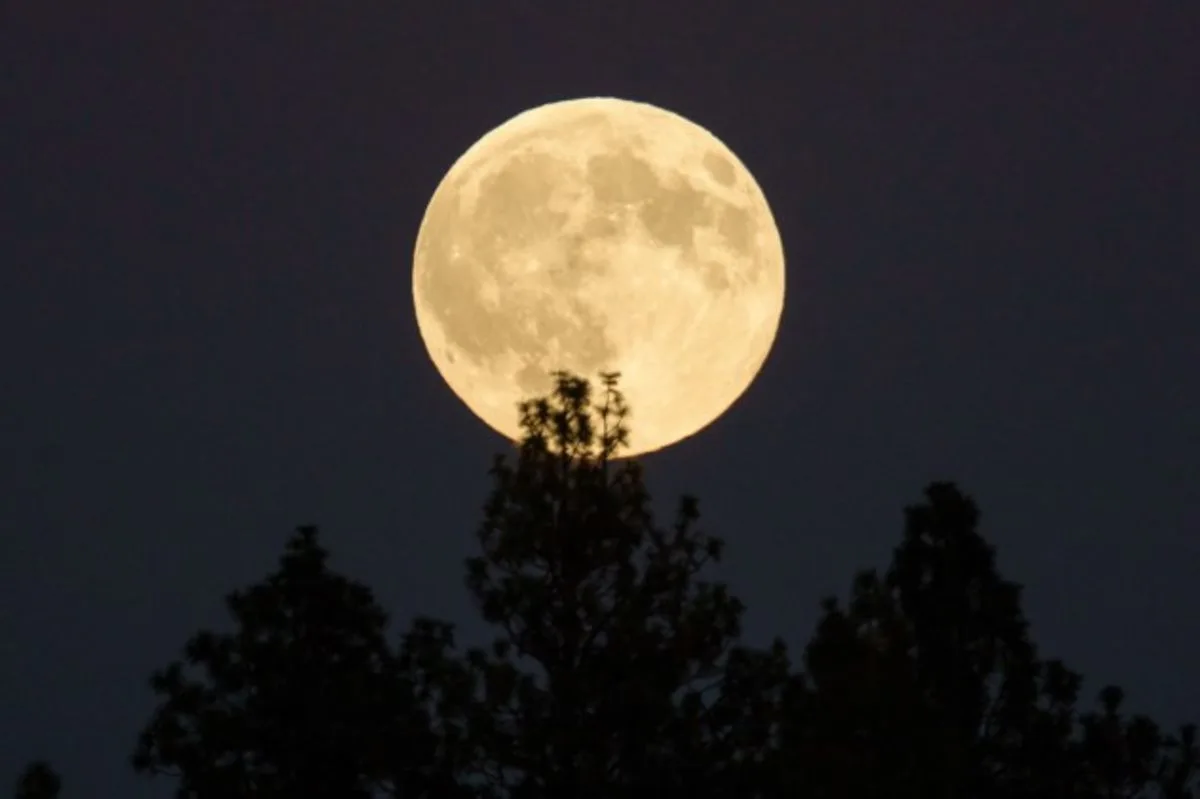
The night sky at the end of September 2026 will be adorned by one of the most iconic full moons, the Harvest Moon, reaching its peak brightness on Saturday, September 26. This phenomenon draws attention as its appearance coincides with the autumnal equinox, which this year falls on Tuesday, September 22, at 8:05 PM EDT. For people in the Northern Hemisphere, the Harvest Moon marks the change of seasons, while in Indonesia, this moment offers its own charm for skygazers.
Astronomically, the Harvest Moon is defined as the full moon that occurs closest to the autumnal equinox. This year, the full moon will be visible on Saturday night, September 26, rising around sunset and remaining in the sky until early morning. The name "Harvest Moon" itself originates from ancient agrarian traditions, when the abundant moonlight in the early evening greatly assisted farmers and field workers in completing their summer harvest.
According to The Old Farmer's Almanac, for several consecutive nights, the moon rises shortly after sunset, creating an extended period of natural light. "This extra light traditionally helped farmers and crews harvest their summer crops," the almanac states. Besides the Harvest Moon, the September full moon is also known by several other names such as Corn Moon, Autumn Moon, Falling Leaves Moon, and Rutting Moon, reflecting the rich cultural heritage and local wisdom in various parts of the world.
For observers in Indonesia, the Harvest Moon will appear as a regular full moon rising in the eastern horizon around dusk. Although scientifically this phenomenon is associated with autumn in the Northern Hemisphere, Indonesian people can enjoy its beauty without the need for special equipment. A yellowish or reddish-orange hue is often seen when the moon is still low on the horizon, due to the refraction of light through Earth's atmosphere. This effect will diminish as the moon rises higher into the sky, turning into a bright white.
In the Indonesian context, the full moon is often associated with various local traditions and beliefs. Some regions have rituals or celebrations that utilize the full moon's light, such as fishermen using the bright moon to go out to sea, or farming communities marking planting and harvesting phases based on the lunar calendar. Although the Harvest Moon is not part of traditional Indonesian calendars, this moment can serve as a reminder of the close relationship between humans and natural cycles that has been intertwined for a long time.
From an astronomical perspective, the Harvest Moon is also an interesting subject for research. Scientists use the full moon moment to study Earth's atmosphere, especially in understanding how airborne particles affect the color and brightness of moonlight. Furthermore, for astrophotographers, the Harvest Moon offers an opportunity to create stunning works of art, especially when combined with urban or rural landscapes.
Looking ahead, similar phenomena will continue to recur annually, but their dates and characteristics may differ. In 2027, for example, the Harvest Moon is predicted to occur in early October, adjusting to the equinox's position. The public is encouraged to utilize this moment as a means of education and recreation, while also reflecting on how the universe provides a free and amazing spectacle. Are you ready to witness the Harvest Moon this weekend?