Danish Intelligence: Russia Could Attack a NATO Country Within Months
Baca dalam 60 detik
- Dinas intelijen pertahanan Denmark menilai risiko serangan terbatas Rusia terhadap negara NATO dalam beberapa bulan ke depan rendah namun terus meningkat.
- Insiden sabotase Starlink di Polandia dan serangan drone di Jerman memperkuat dugaan bahwa Moskow gencar melancarkan perang hibrida.
- Ketidakpastian komitmen Amerika Serikat di bawah Donald Trump dan keraguan Slovakia terhadap Pasal 5 menjadi celah yang bisa dimanfaatkan Rusia.
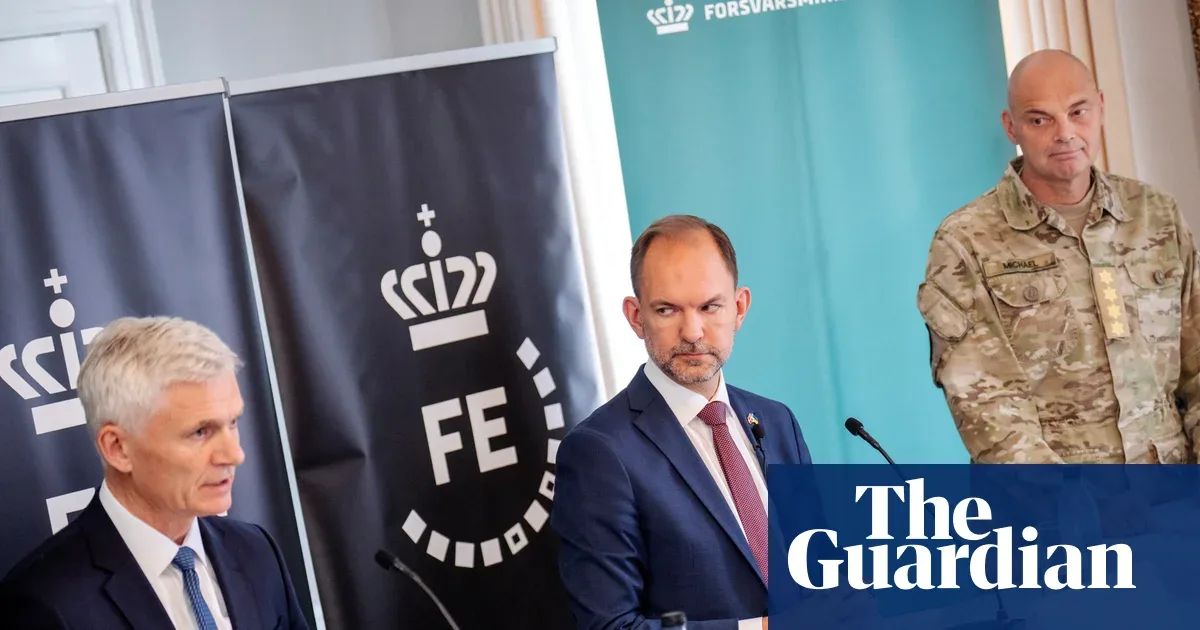
The Danish Defence Intelligence Service (DDIS) released a report on Thursday (24/9) stating that Russia could launch a limited military attack against a NATO member state in the coming months. The warning is one of the most blunt to come from the Western intelligence community since the invasion of Ukraine began.
In the report, DDIS cites a “low but growing” risk that Moscow will carry out long-range attacks on NATO infrastructure supporting Ukraine, or send small numbers of troops to conduct limited incursions into neighboring countries—even without official insignia. The scenario is assessed as part of a hybrid warfare strategy aimed at diverting European attention and resources away from Ukraine.
The warning came just hours after a fire struck a Starlink satellite station in central Poland. Polish Deputy Prime Minister Krzysztof Gawkowski called the incident an “act of sabotage” designed to disable the station. The fire disrupted internet access for a number of institutions, including the Ukrainian military. Gawkowski added that many signs point to Russia’s new attack doctrine, though he acknowledged that no party has been officially blamed.
Starlink has become the backbone of Ukraine’s military communications. The incident in Poland adds to a series of suspected Russian sabotage operations against European infrastructure supporting Ukraine. Earlier this month, Germany openly accused Russia of being behind attempted drone attacks at Leipzig/Halle Airport. Several other incidents, such as a fire at a drone factory and railway sabotage, are also being investigated for possible links to Moscow. Russia denies all the accusations.
The DDIS report also highlights that Russia is likely to intensify hybrid attacks with “greater consequences” for European countries. These could take the form of cyber attacks that paralyze social functions or sabotage that risks causing casualties. Sources familiar with Kremlin thinking say Russia’s military command believes several NATO countries are directly involved in the war against Russia—not only supplying weapons and intelligence, but also helping guide missiles and drones. That belief underpins Moscow’s sense that it is entitled to retaliate in kind.
The main goal of Russian operations, according to the report, is to divert European resources from Ukraine and deepen divisions within NATO if the alliance fails to agree on a collective response. DDIS assesses a full-scale invasion of a NATO country as still “highly unlikely”, but notably adds that it “cannot be ruled out”.
What stands out is the potential testing of Article 5 of the NATO Charter, which mandates collective defense. DDIS warns of a risk that Russia judges NATO countries will not respond in unison, especially if Moscow believes the United States under Donald Trump is unable or unwilling to defend its European allies. This concern has long haunted NATO members, and was compounded by remarks last week by Slovak Prime Minister Robert Fico, who questioned his country’s commitment to the principle of collective defense. Fico, known to be close to the Kremlin, said he did not want Slovakia dragged into a military conflict “just because of Article 5”.
“The greater Putin’s freedom to act, the more dangerous the world is for everyone,” Ukrainian President Volodymyr Zelenskyy said in his speech at the UN General Assembly on Wednesday (23/9). He also warned that Russia continues to threaten Moldova, Poland, and the Baltic states.
For Indonesia, this escalation of Russia-NATO tensions is not merely distant news. As a non-aligned country that maintains good relations with both sides, Indonesia risks being affected in terms of global energy and food price stability if the conflict widens. Tensions in Europe can disrupt supply chains and increase financial market volatility, which ultimately affects subsidy budgets and people’s purchasing power. In addition, Indonesia needs to watch how hybrid warfare—especially cyber attacks—could set a bad precedent for national cyber security, given that domestic digital infrastructure also faces similar threats.
With this Danish intelligence report, the question is no longer whether Russia will test NATO, but how ready the alliance is to face provocations designed to divide it. If NATO solidarity falters, the impact will be felt far beyond Europe’s borders—including by countries that choose neutrality, such as Indonesia.