'Godzilla' El Niño Threatens 50 Million People with Famine, Indonesia on the Front Line
Baca dalam 60 detik
- Fenomena El Niño terkuat dalam seribu tahun terakhir diprediksi memicu krisis pangan global dan kenaikan suhu ekstrem.
- Negara berkembang seperti Indonesia dan Nigeria berisiko terdampak paling parah meski kontribusi emisinya kecil.
- Pemerintah diminta memperkuat sistem peringatan dini dan jaring pengaman sosial sebelum puncak El Niño melanda.
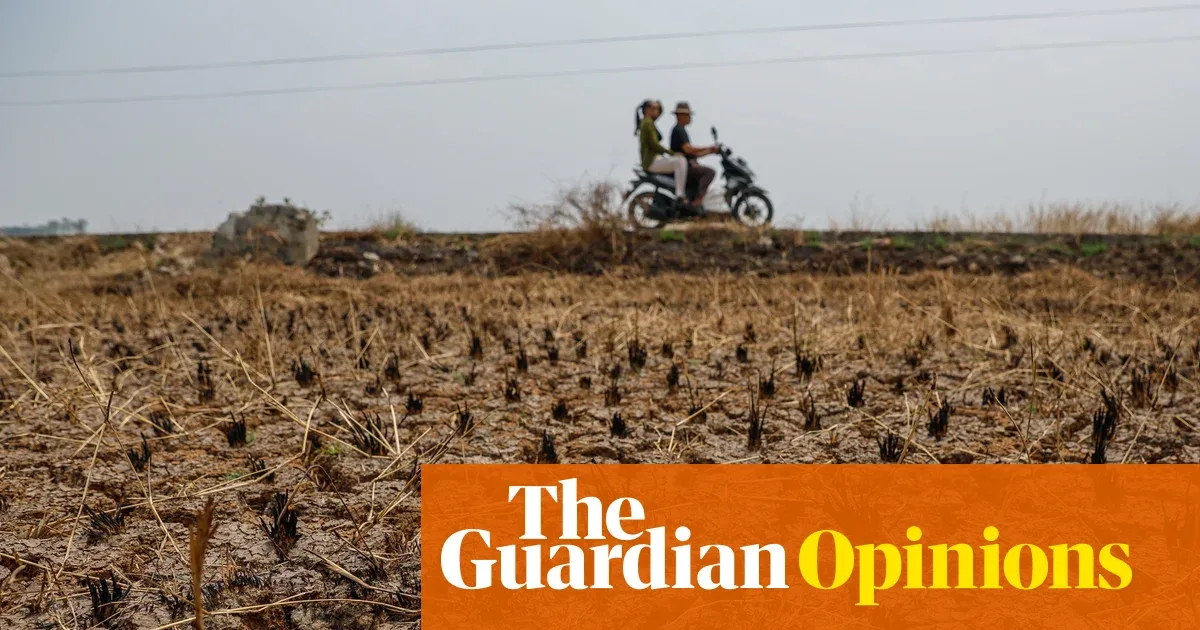
The world is facing an unprecedented climate threat. Scientists warn that the El Niño currently developing could become the strongest in at least the past thousand years, earning the label 'Godzilla-level'. Its peak has not yet arrived, but surface temperatures in the Pacific Ocean have already surpassed the previous record high. The impact is no small matter: an estimated 50 million people will fall into acute hunger, and around 450,000 lives are at risk of dying from extreme heat, drought, and floods triggered by this phenomenon.
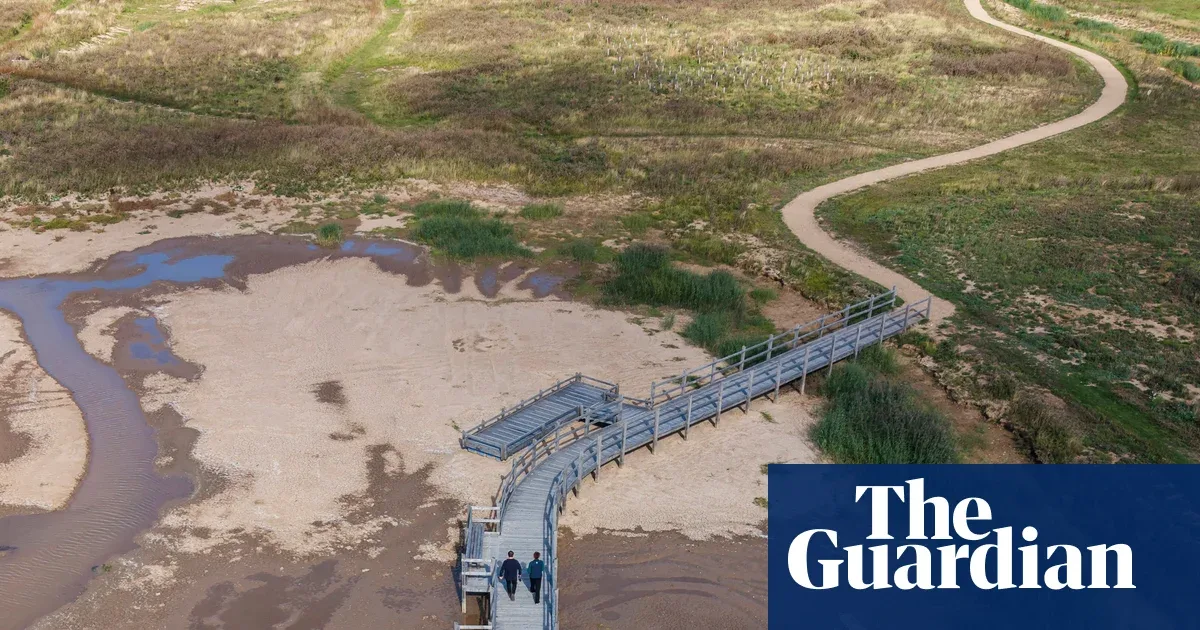
The warning is no mere hyperbole. The World Food Programme (WFP) has issued an estimate that tens of millions of people across the globe, from Nigeria to the United States, will be pushed to the brink of a food crisis. India, for instance, has seen monsoon rainfall deficits of up to 50 percent this month, directly affecting agricultural production. Meanwhile, drinking water reserves in Sri Lanka are beginning to dry up. European countries may only feel indirect effects in the form of a stormier autumn, but their food supplies remain under threat.
What makes this situation even more complicated is the combination of natural phenomena and human actions. A major study released last month found that strong El Niño events in recent decades have been worsened by global warming caused by the burning of fossil fuels. This means the impact of this disaster can no longer be called purely a natural event. The poorest groups, who live in vulnerable areas and have limited access to healthcare, will bear the heaviest burden. Meanwhile, a handful of wealthy people continue to profit from an economic system that actually worsens emissions.
For Indonesia, this warning is an emergency call. As an archipelagic nation located along the Ring of Fire and heavily dependent on agriculture and fisheries, Indonesia is on the front line of risk. El Niño can trigger prolonged drought in the southern region, crop failures, and a clean water crisis. Not to mention the potential for forest and land fires that are a yearly staple. Coastal communities and smallholder farmers are the most vulnerable groups. The government needs to immediately strengthen early warning systems, prepare food reserves, and expand social safety nets. Without anticipatory measures, millions of citizens could be affected.
"El Niño and the climate and natural crisis threaten national security and defense," the British Foreign Secretary stressed at a UN forum, as quoted from the statement.
Similar calls have also come from within the UK. The Climate Change Committee, in its important report in May, stated that the country was "built for a climate that no longer exists". This statement highlights how many countries, including Indonesia, are still unprepared for increasingly frequent extreme weather. At the global level, strengthening the loss and damage fund is a necessity so that developing countries that contribute the least emissions do not sink further.
This super El Niño is indeed a major threat, but it can also be a momentum to act more seriously against global warming and the injustice that accompanies it. The question is, will governments and the international community use this crisis as a driver of change, or will they let the same disaster repeat on a larger scale?