GameStop's 30th Anniversary Pokémon Card Price Now the Most 'Reasonable Discount'
Baca dalam 60 detik
- GameStop merevisi harga Pokemon 30th Anniversary setelah gelombang protes, dan kini justru menawarkan harga ETB lebih rendah dari pasar.
- Kelangkaan pasokan dan aksi scalper membuat toko ritel besar serta toko kartu lokal kesulitan memenuhi permintaan.
- Peluang perbaikan pasokan terbuka jika cetakan besar-besaran Pokemon segera membanjiri pasar, namun harga saat ini masih jauh di atas MSRP.
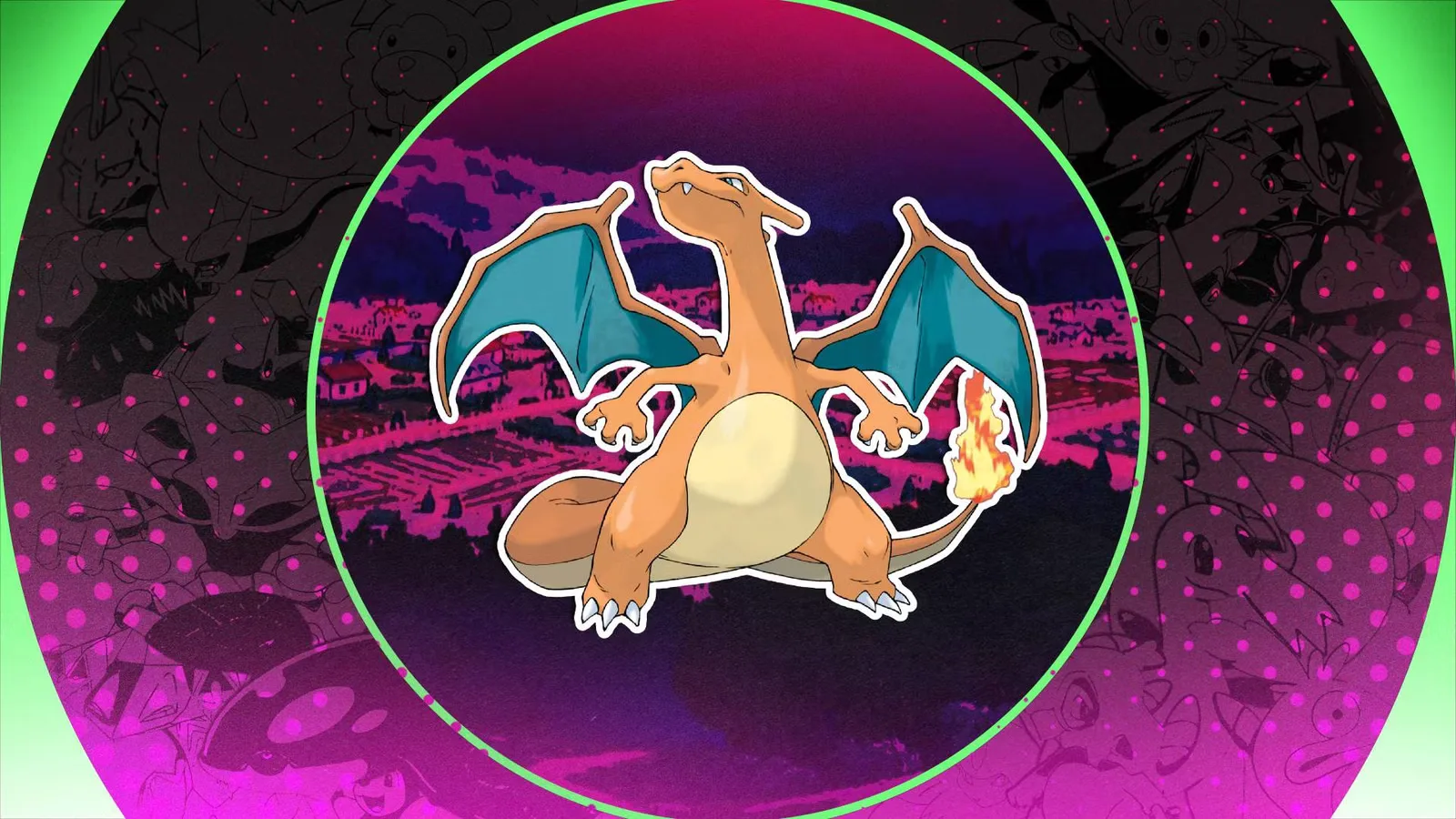
The price of the Pokémon 30th Anniversary Elite Trainer Box (ETB) at GameStop is now below market value, a dramatic reversal from the negative image that has plagued the video game retailer in recent months. In July 2026, GameStop announced an unreasonable price hike for the collectible card set, sparking outrage among collectors. After several adjustments, GameStop's price tag slowly became competitive as the market price for the 30th Anniversary edition surged even higher.
Nevertheless, GameStop's price cannot be called cheap. For some buyers who managed to get boxes close to the manufacturer's suggested retail price (MSRP), GameStop's asking price still felt unreasonable. The problem is, from now on, finding 30th Anniversary products has become a challenge in itself. Major retailers and local card shops alike have no certainty when suppliers will restock. Every time items arrive, scalpers tend to clear the shelves within minutes. Regular buyers—such as busy parents or working collectors—do not have the time and energy to hunt for products at fair prices.
Buyers who turn to platforms like Facebook Marketplace face the risk of unknown sellers. Meanwhile, local card shops, tired of losing money due to resellers, have now significantly raised the price of the 30th Anniversary edition. Price variations are large between regions, but in Minneapolis, ETBs are sold between US$125 and US$170. Stores selling below market price are likely already out of stock. This situation leaves Pokémon TCG fans with two main choices: pay a high price at local shops or retailers, or dig a little deeper—but not too deep—into their pockets at GameStop.
"Long-time fans believe Pokémon is printing this new set in extraordinary quantities, and soon the set will be available everywhere. If it seems otherwise, it's because we are still close to the release date—when hype and fear of missing out historically peak," such is the argument circulating among collectors.
That belief is not without basis. Pokémon is reportedly printing billions of cards, more than ever before, by a very large margin. However, when individual scalpers buy products in large quantities, scarcity in the retail market becomes inevitable. There is hope that resellers are starting to be disappointed with this set and its high pull rate, which could seriously reduce scalper interest. Nevertheless, the current market price is still very high: theoretically, scalpers could reap more profit from the 30th Anniversary ETB compared to the previous favorite set, Ascended Heroes.
For readers in Indonesia, this dynamic is not just an American market story. Pokémon TCG fans in the country often rely on import channels or purchases through cross-country marketplaces. When global prices soar, import duties and shipping costs also increase. Local card shops in Jakarta, Surabaya, or Bandung face a similar dilemma: raise prices to cover acquisition costs, or lose margin by having to compete with online sellers. The scalper phenomenon is also not new; the practice of buying up goods and reselling them with high markups is already widespread on various Indonesian e-commerce platforms.
The question is, how long can GameStop maintain its position as a price "savior"? If Pokémon's supply truly becomes abundant in the coming weeks, market prices could correct, making GameStop's label appear expensive again. Conversely, if scalpers continue to dominate distribution, large retailers like GameStop will remain the only oasis—though still not cheap—for collectors who don't want to wait. In the long run, the collectible card industry may need to consider a fairer distribution mechanism, or the risk of losing loyal buyers will become increasingly real.