Venus and Harvest Moon Adorn This Week's Sky, Visible Without a Telescope
Baca dalam 60 detik
- Fenomena astronomi ganda terjadi pekan ini: Venus bersinar terang di ufuk barat setelah matahari terbenam, disusul Harvest Moon yang mencapai puncak pada Sabtu, 26 September.
- Kedua objek langit ini dapat diamati dengan mata telanjang dari sebagian besar belahan Bumi utara, tanpa perlu peralatan optik khusus.
- Bagi pengamat di Indonesia, Venus dan Bulan tetap dapat disaksikan meski dengan waktu dan posisi yang sedikit berbeda, bergantung pada kondisi cuaca setempat.
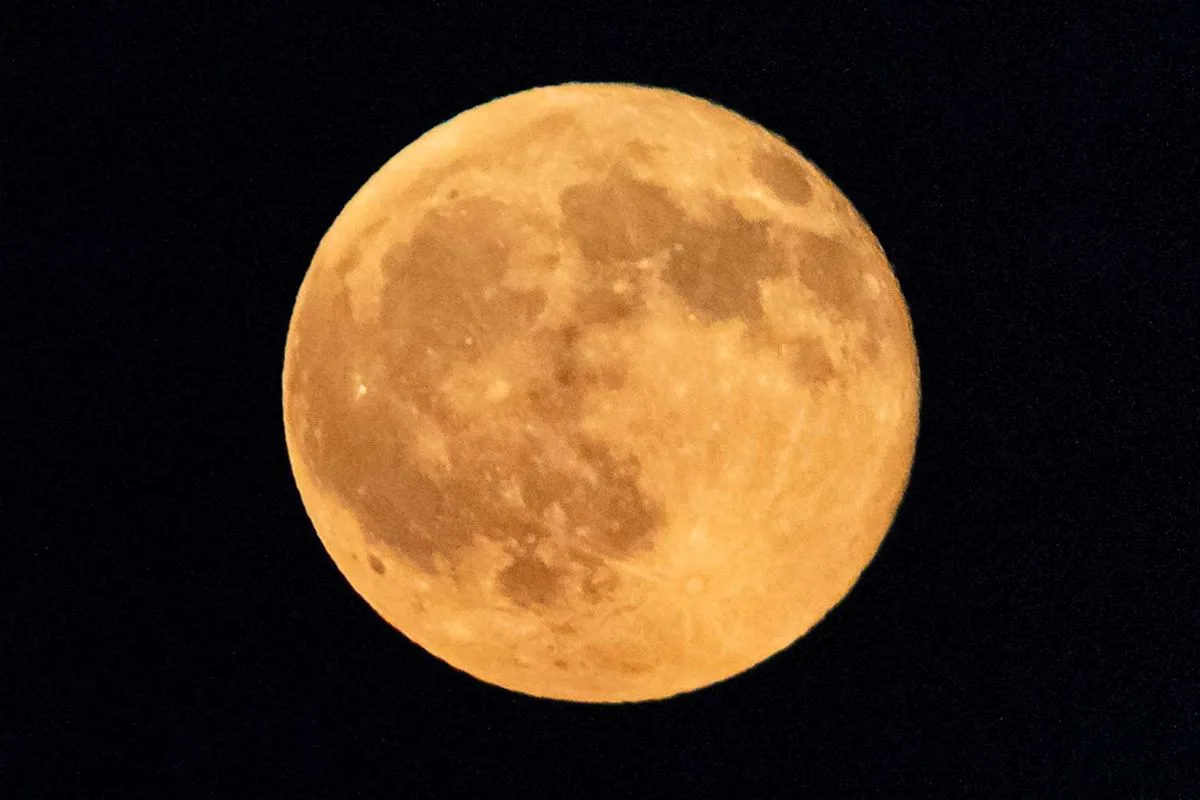
This week's twilight sky offers a rare celestial spectacle: the planet Venus will shine brightly in the western horizon after sunset, while the Harvest Moon—a full moon closely associated with harvest traditions—reaches its peak illumination on Saturday, September 26. Both phenomena can be observed without the aid of a telescope from most parts of the Northern Hemisphere, including Indonesia, provided the weather is clear.
Venus, currently acting as the evening star, will reach its maximum brightness on Tuesday, September 22. The planet will appear low in the western sky, reflecting sunlight with enough intensity to be clearly visible even from urban areas with moderate light pollution. Meanwhile, the Harvest Moon—named because its appearance early in the evening for several consecutive days helped traditional farmers extend their harvest time before winter—will appear fully round from Friday night until Sunday.
For readers in Indonesia, Venus will be visible low in the western sky approximately 30–45 minutes after sunset. The best time to observe it is immediately after dusk, as the planet will slowly descend and disappear below the horizon as the night deepens. Meanwhile, the Harvest Moon will rise from the east around twilight. Since Indonesia is located on the equator, the positions of the Moon and Venus might appear slightly different compared to observations from higher latitudes, but both can still be clearly enjoyed.
"Venus is so bright that it can be seen with the naked eye, but don't wait too long because the planet will soon set," is common advice from skywatchers, as quoted from the Old Farmer's Almanac.
To photograph the Harvest Moon, it is recommended to use night mode on a smartphone or manual settings. Focus the camera on the Moon, then lower the exposure so that its surface details are not lost in a white silhouette. A tripod will help, but the main key is timing: take pictures when the Moon is still low on the horizon to get a dramatic composition with buildings or trees in the background.
This phenomenon also serves as a reminder of the richness of the night sky that can be enjoyed without visiting an observatory. Amidst a busy routine, taking a moment to look up at the sky can be a simple, refreshing escape. Moreover, Venus and the Harvest Moon only appear in this configuration during specific periods, making it a moment not to be missed.
Looking ahead, the sky will continue to offer various fascinating astronomical events. After the Harvest Moon, observers can anticipate the Orionid meteor shower in October and other planetary conjunctions. The question is, will you take the time to step outside tonight to witness the charm of Venus and the Moon shining together?