BNPP Initiates Regular Six-Monthly Meetings with 10 Neighboring Countries, Strengthens Border Diplomacy
Baca dalam 60 detik
- Kepala BNPP Tito Karnavian mengusulkan forum konsultasi periodik setiap enam bulan dengan sepuluh negara tetangga untuk membahas isu perbatasan.
- Langkah ini menandai pergeseran dari pendekatan reaktif ke dialog terstruktur, berpotensi mengurangi ketegangan dan membuka peluang kerja sama ekonomi di kawasan perbatasan.
- Bagi Indonesia, inisiatif ini dapat memperkuat posisi negosiasi dalam sengketa wilayah serta mendorong pembangunan ekonomi di daerah terluar.
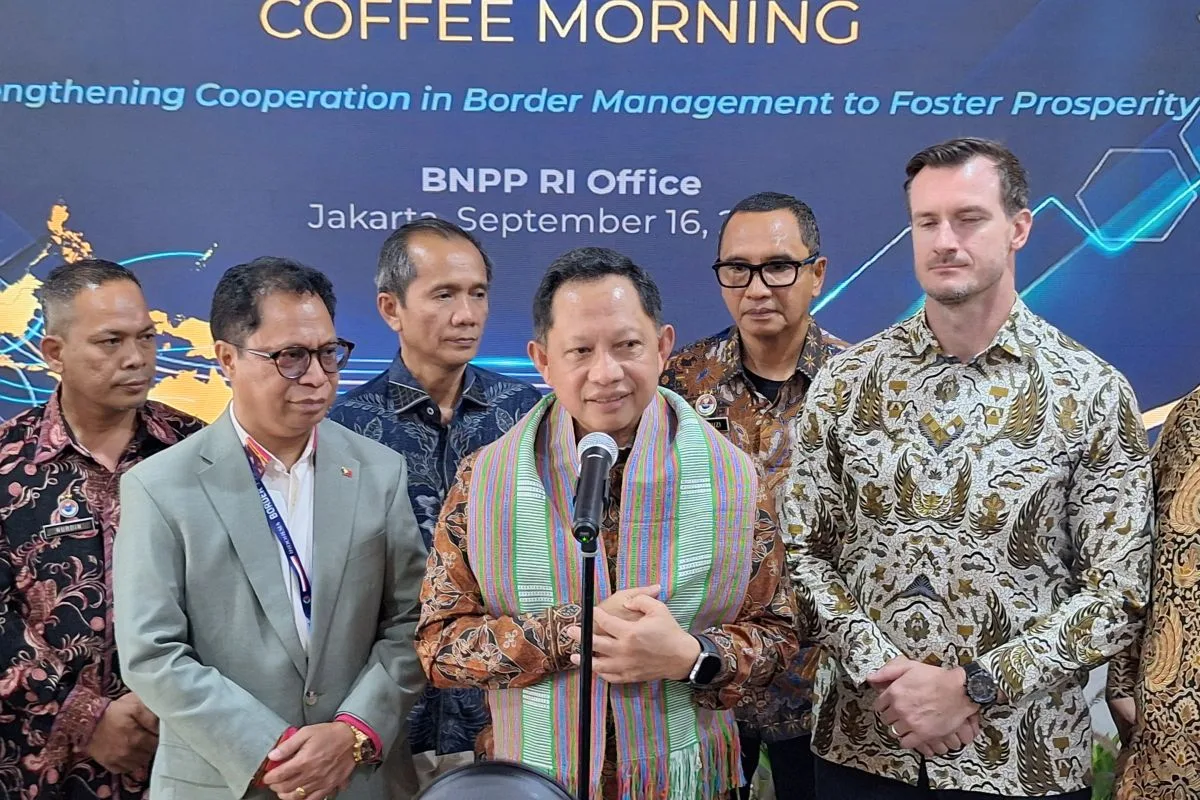
The Head of the National Border Management Agency (BNPP), who is also the Minister of Home Affairs, Tito Karnavian, proposed establishing a regular meeting forum with ten neighboring countries to discuss various border issues. The proposal was delivered at a meeting with representatives of friendly countries at the BNPP Building, Jakarta, Wednesday (5/2/2026).
According to Tito, the meeting, planned to take place every six months, aims to strengthen communication and cooperation among countries that share direct borders with Indonesia. "I want to hold regular meetings, perhaps every six months," he told reporters after the event.
The initiative comes amid increasing geopolitical dynamics in the region, including competition for influence among major powers and the potential for maritime territorial disputes. So far, communication between countries on border matters has often been ad hoc and reactive, occurring only when problems arise. The regular forum is expected to create a more systematic conflict prevention mechanism.
On that occasion, Tito also opened a direct communication channel for representatives of neighboring countries if they face border issues. "If there is a problem or issue related to the border, do not hesitate to contact me to resolve the problem in a peaceful and friendly manner," he said.
He added that the meeting also served as a venue to introduce the role of BNPP, which may so far be less known to international partners. Tito outlined the functions, roles, and border area development programs run by the agency.
"I introduced BNPP, which may not yet be very well known and recognized by our partners, and I told them about the functions, the role of this agency and the programs to develop border areas."
— Tito Karnavian, Head of BNPP
Representatives of neighboring countries welcomed the initiative and expressed their willingness to develop closer relations with Indonesia, especially in trade and culture. According to Tito, the cooperation is directed at providing real benefits for communities in border areas.
"I am very pleased that everyone is willing to develop good relations, such as in trade, culture or anything for the interests of our people, for the interests of the countries involved at the border," he said.
Indonesian Context
For Indonesia, this step is not merely diplomatic formality. Border areas have long been synonymous with limited infrastructure, economic access, and weak oversight. With a regular forum, the government has an opportunity to drive economic development in the outermost regions through cross-border cooperation, such as special economic zones, border trade, and tourism.
From an investment perspective, border stability is a positive signal for businesses wanting to tap markets in border areas. Legal certainty and good relations with neighboring countries reduce operational risk, especially for the logistics, energy, and agribusiness sectors that often use border routes.
In addition, the forum can serve as a platform to resolve territorial boundary disputes peacefully, avoiding unnecessary escalation. Several land and sea border segments still require negotiations, such as with Malaysia and Timor Leste. Regular dialogue allows problems to be mapped early.
However, the effectiveness of the forum depends heavily on the commitment of all parties and continuity of leadership. Without a concrete agenda and measurable follow-up, regular meetings risk becoming mere ceremony. The government needs to ensure each meeting produces agreements that can be executed, not just statements of good intentions.
Going forward, the public will wait to see whether this proposal truly materializes in the official diplomatic calendar, and whether it can address increasingly complex border challenges, including illegal goods flows, migration, and maritime security. If successful, Indonesia could become an example of inclusive and stable border management in the region.