Burnham Urged to "Move On" on Brexit as Former UK PMs Warn of Renegotiation Risks
Baca dalam 60 detik
- Theresa May meminta Andy Burnham tak membuka kembali perdebatan Brexit dan menghormati hasil referendum 2016.
- Sejumlah mantan perdana menteri Inggris memperingatkan bahwa upaya bergabung kembali dengan Uni Eropa akan menyerap energi besar dan berliku.
- Pernyataan Burnham yang berubah-ubah memicu spekulasi arah kebijakan luar negeri Partai Buruh menjelang pemilu berikutnya.
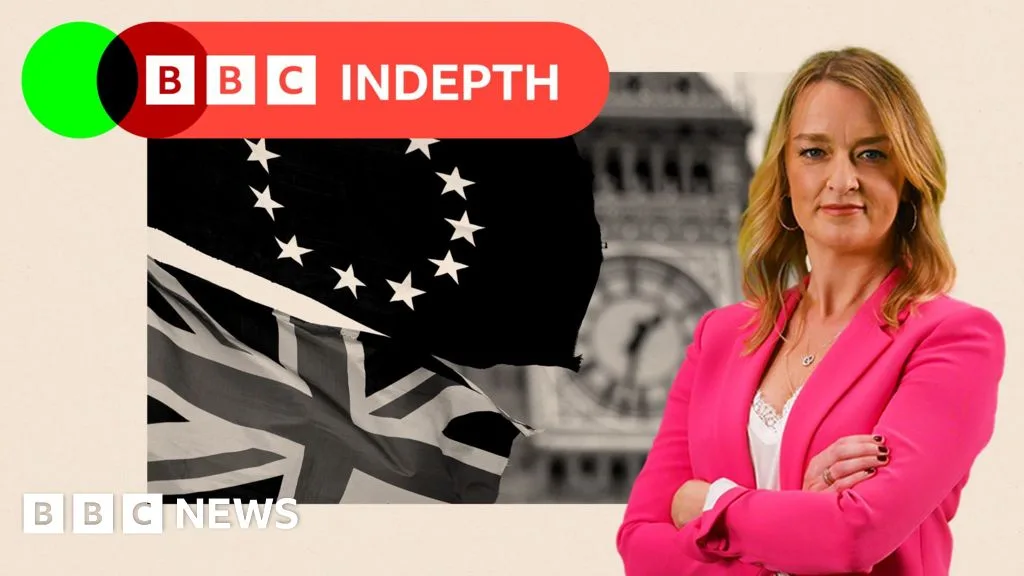
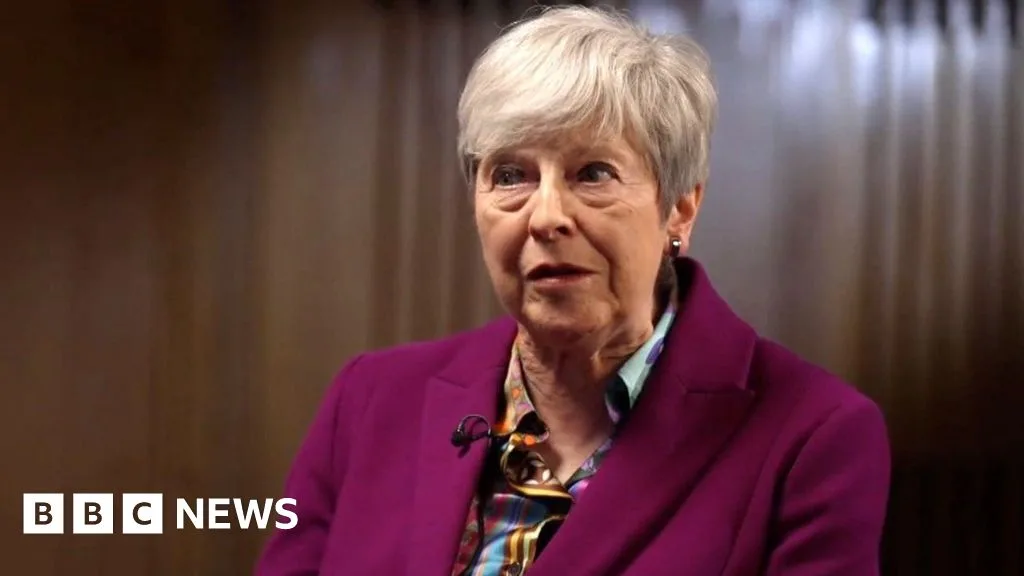
Former UK Prime Minister Theresa May has issued a firm warning to Andy Burnham: do not try to reopen the Brexit issue. In a rare interview, Baroness May—who led negotiations with the European Union in 2016–2019—said Burnham should respect the public's decision ten years ago, rather than treating it as a wrong answer that deserves a "second chance".
She said she was "surprised" by Burnham's maneuver in again floating the possibility of the UK joining the European Union. According to May, such a step would consume a massive amount of the government's attention. "The working hours that would have to be deployed cover the whole of government. Not just the prime minister's time, but also the time of cabinet ministers and officials, going back and forth in negotiations," she said.
The warning is not a lone voice. David Cameron, May's predecessor, said discussion of rejoining the EU would be "long and painful". Tony Blair even stressed that the UK would only deserve to return if Brussels reformed itself and gave more room for technological innovation. Within the Labour Party, the Foreign Secretary is said to have stated that the option of rejoining remains open.
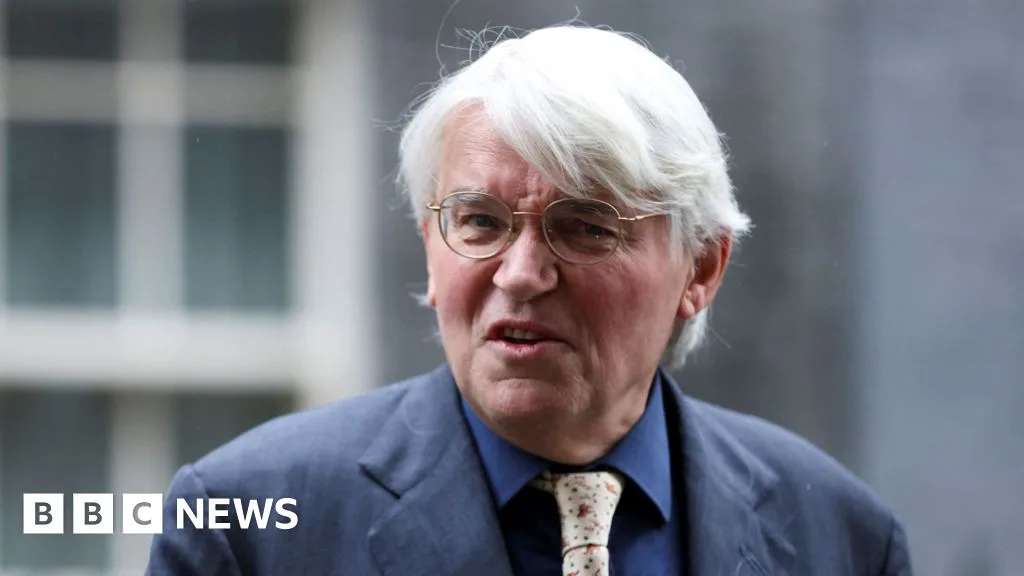
Burnham's own position appears ambiguous. During the by-election campaign, he promised not to reopen old wounds and stressed he was not proposing that the UK consider rejoining. However, he later said the UK could "go as far as possible" to return, and now offers a "national conversation" and "brainstorming" with the EU. This shift in rhetoric raises questions about the direction of Labour Party policy.
Behind the scenes, Downing Street is said to indeed want to move closer to the EU. A senior government source described Burnham as privately consistent with his public stance: he believes a big discussion as a nation is needed, but it must also involve the European side. Although he does not hide his desire for the UK to return to the EU, Burnham is said not to conclude a position before knowing the shape of the relationship that could be obtained from Brussels—and how the public would respond.
"British prime ministers can be very delusional about the EU. They can be lulled by the hope that good relations with individual leaders will overcome ideological inertia in Brussels," said a senior Whitehall source.
This week's UK-EU summit is seen by London as a success. The agreement covers food exports, energy, and youth mobility. Although it briefly stumbled over differences on tuition fees, the UK government feels it did not back down and still completed a broader package. The legal process to turn the agreement into law will begin, although other countries could still try to unpick the deal later.
Domestic political reaction is divided. The Lib Dems, SNP, Green Party, and Plaid Cymru believe the agreement does not go far enough. The Conservative Party complains that British farmers must follow EU rules. The Reform Party accuses the deal of betraying the result of the 2016 referendum. However, the government is confident the EU is willing to give the UK room to choose areas of cooperation, with the caveat that Brussels will certainly demand reciprocity.
A senior negotiator warned that the strategy of building agreements incrementally will soon reach its limit. "There is not much more that can be done with an incremental approach before it becomes a binary choice," he said. He also reminded that the EU has a very fixed way of working, more oriented toward internal unity than toward whoever is at the negotiating table.
At home, Burnham and his cabinet often say "the British people are the boss". Surveys do show disappointment with Brexit and interest in returning. However, that is not the same as a demand for this issue to become a top priority. A senior Labour figure believes there is a shift and openness to dialogue, but the prime minister must be careful not to be bound by manifesto commitments that alienate many voters.
What is missing from the debate: Burnham was not in Westminster during the most intense Brexit turmoil. That could be an advantage because he does not carry the baggage of the past, or it could be a gap in experience about how bad the situation was at the time. An official from the Brexit era warned, "It is very naive to think he can handle defence or NEETs while playing with the future with the EU—that will not happen."
After the last 72 hours, the opportunity does appear open. However, the shadow of warnings from former prime ministers still looms. If Burnham insists on taking the rejoining path, the impact could be as wide as Brexit itself—affecting almost everyone and everything. Will he listen, or will he continue the risky "brainstorming"?