BNPP Invites 10 Neighboring Countries to Meet Regularly: Peaceful Borders, Safe Investment?
Baca dalam 60 detik
- Kepala BNPP Tito Karnavian mengundang sepuluh negara berbatasan untuk menggelar pertemuan rutin guna membahas isu perbatasan.
- Pendekatan dialog diutamakan untuk mencegah sengketa yang bisa mengganggu stabilitas kawasan dan iklim usaha.
- Pertemuan perdana menghasilkan kesepakatan informal untuk memperkuat kerja sama perdagangan dan budaya di wilayah perbatasan.
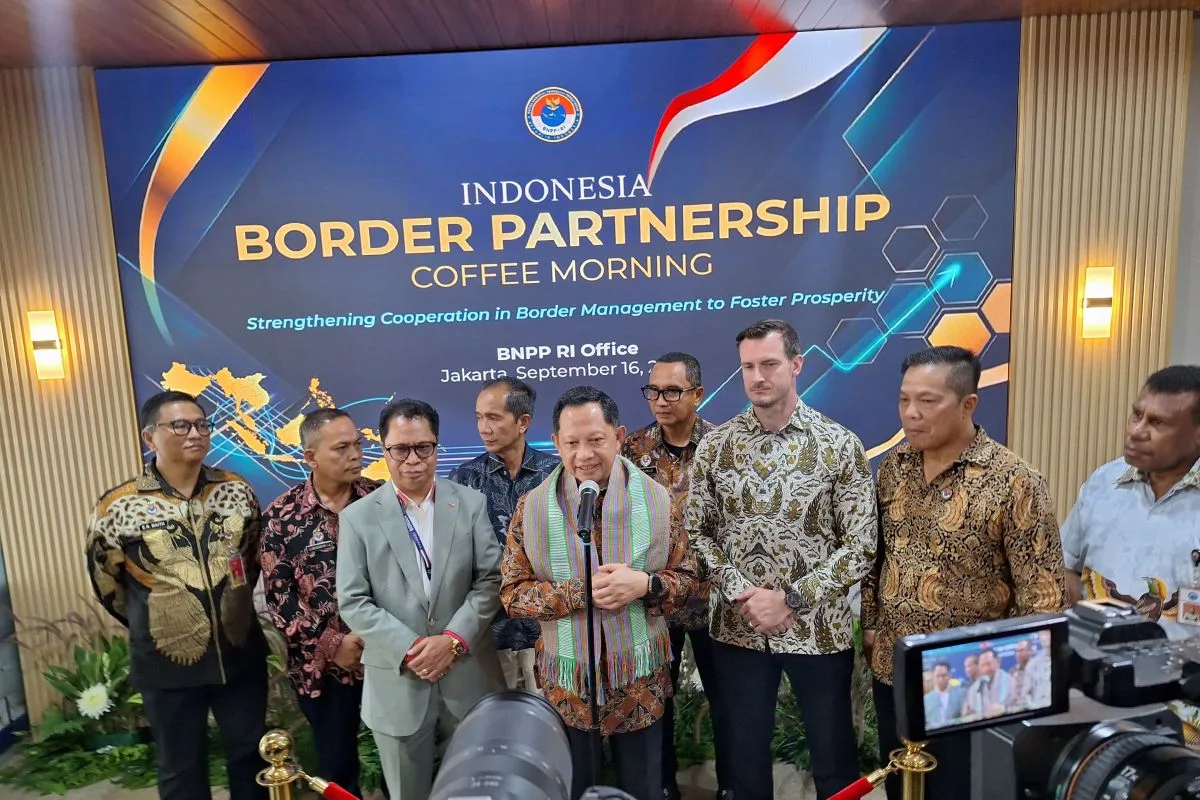
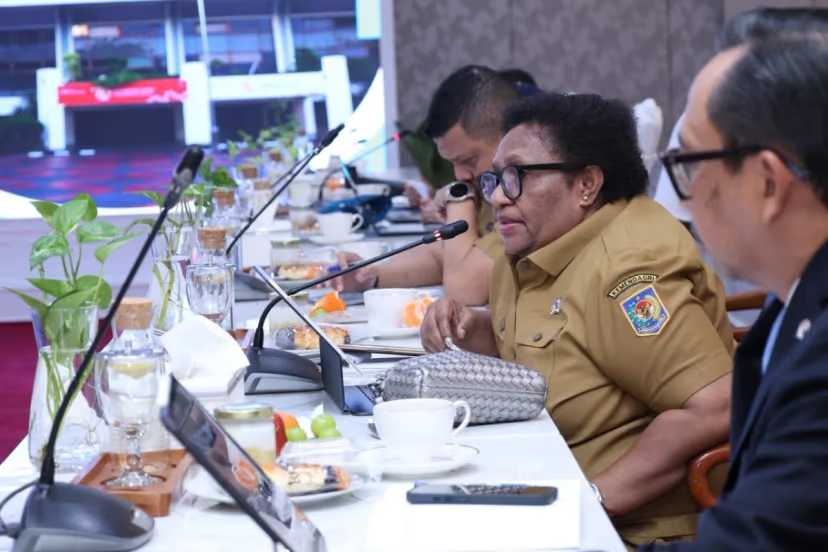
Home Affairs Minister Tito Karnavian, who also serves as Head of the National Border Management Agency (BNPP), has offered a regular consultation mechanism to ten neighboring countries to address border issues without escalating conflict. The invitation was delivered after a meeting with representatives of friendly countries at the BNPP Building, Jakarta, Wednesday (25/6).
The move marks a shift in approach from reactive to preventive. Rather than waiting for disputes to erupt, Indonesia wants to build a permanent communication channel that allows every issue to be discussed early. Tito stressed that he is open to being contacted at any time if problems arise along the border line. "If there is a problem or border issue, do not hesitate to contact me so it can be resolved peacefully and amicably," he said.
At the meeting, foreign diplomats welcomed the initiative. They expressed their willingness to strengthen bilateral relations, especially in the economic and socio-cultural sectors. According to Tito, that spirit of togetherness is important because communities on both sides of the border often have close kinship ties and economic interdependence.
For Indonesia, border stability is not merely a matter of sovereignty, but also a prerequisite for the smooth flow of goods, services, and investment. Border areas such as Entikong (West Kalimantan–Sarawak), Motaain (East Nusa Tenggara–Timor Leste), and Skouw (Papua–Papua New Guinea) are potential trade gateways. Unmanaged tensions could disrupt supply chains and scare off businesses. Therefore, the regular forum proposed by BNPP can be seen as an instrument of economic diplomacy.
"Including resolving problems that may become polemics or disputes, and how to make relations in border areas develop for the common interest of the people," Tito said.
However, the effectiveness of this forum will depend on follow-up. Regular meetings without a concrete agenda risk becoming mere ceremony. A number of international relations observers assess that Indonesia needs to push for specific discussions, for example the settlement of unresolved maritime boundaries, coordinated patrol cooperation, and the development of special economic zones at the border. Without that, the potential for disputes will continue to loom.
Domestically, this policy is in line with the government's agenda to accelerate development in the outermost regions. BNPP previously affirmed its commitment to bringing the state tangibly to border communities, including through the provision of basic infrastructure and public services. A humane diplomatic approach is expected to complement those efforts, so that development is not only physical but also builds cross-border trust.
Going forward, the public will wait to see whether the regular meetings truly materialize on a fixed calendar. If they do, Indonesia has the opportunity to become an example of stable and inclusive border management in the region. But if it is only rhetoric, the risk of friction at vulnerable points could actually increase. Can BNPP turn this peaceful invitation into a binding architecture of cooperation?