Israel Crime Wave Claims Two Lives: Security Crisis Deepens
Baca dalam 60 detik
- The Afula car blast targeted a 40-year-old man, detonating as he entered his vehicle in a residential area.
- Police suspect criminal underworld involvement, with the attack bearing hallmarks of organized crime retribution.
- No group has claimed responsibility, but investigators are probing connections to recent gang violence.
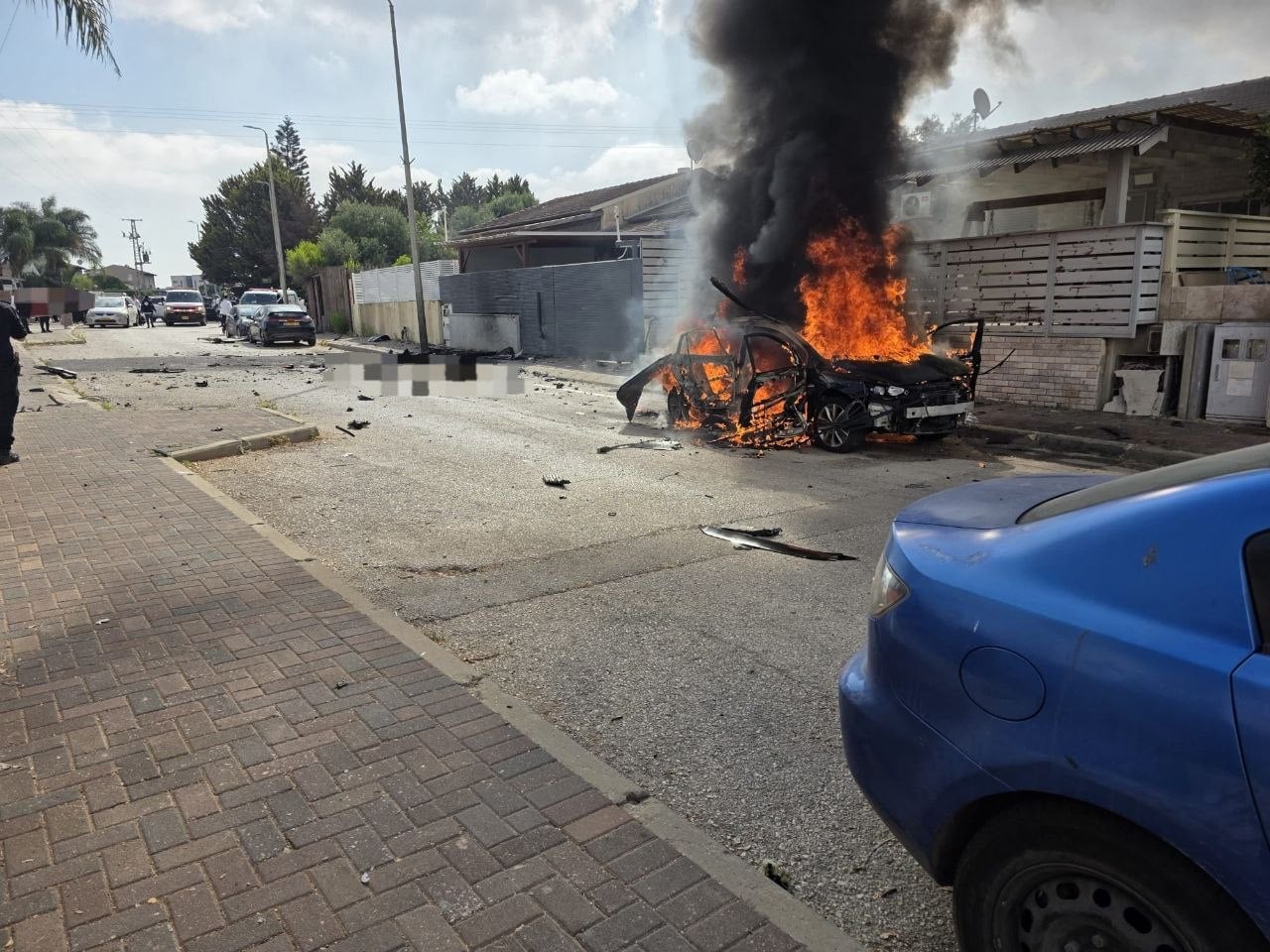
The Afula car blast targeted a 40-year-old man, detonating as he entered his vehicle in a residential area. Police suspect criminal underworld involvement, with the attack bearing hallmarks of organized crime retribution. No group has claimed responsibility, but investigators are probing connections to recent gang violence.
In Haifa, a woman in her 30s was found dead under suspicious circumstances, adding to the day's grim toll. Preliminary reports suggest foul play, with police treating the case as murder. The two deaths push the year's homicide count past 200, a record high for Israel.
The crime wave strains a police force already grappling with political turmoil and resource constraints. Experts warn that without systemic reforms—including increased funding, community policing, and anti-gang task forces—violence will escalate further. The government faces mounting pressure to act decisively.
Power Move: Israel's crime surge is no longer a law enforcement issue—it's a national security threat demanding military-grade intervention. Expect emergency cabinet meetings and deployment of border police to civilian zones within weeks. The window for non-lethal solutions is closing fast.
This article was edited with AI assistance for readability. Read original here.