Vietnam-Philippines Alliance: Food Security Power Move
Baca dalam 60 detik
- The partnership commits Vietnam to guarantee rice exports to the Philippines at preferential rates, insulating Manila from volatile global markets.
- In return, the Philippines opens its agricultural sector to Vietnamese investment in irrigation and high-yield seed technology.
- This exchange creates a self-reinforcing loop: Vietnam secures a stable buyer, while the Philippines gains production capacity.
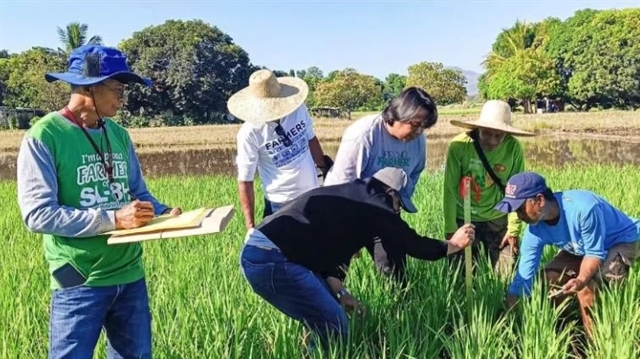
The partnership commits Vietnam to guarantee rice exports to the Philippines at preferential rates, insulating Manila from volatile global markets. In return, the Philippines opens its agricultural sector to Vietnamese investment in irrigation and high-yield seed technology. This exchange creates a self-reinforcing loop: Vietnam secures a stable buyer, while the Philippines gains production capacity.
Food security has become a geopolitical weapon, and this alliance neutralizes that threat for both nations. By pooling resources, they reduce dependence on major grain exporters like India and the US, who have weaponized food supplies in past crises. The timing is critical—global rice prices surged 20% in 2024, squeezing vulnerable populations.
Analysts see this as a model for ASEAN cooperation, leveraging complementary strengths to build regional resilience. Vietnam's surplus production meets Philippines' demand, creating a buffer against supply chain disruptions. The deal also strengthens their collective bargaining power in international food trade negotiations.
Power Move: This alliance transforms two vulnerable nations into a regional food security bloc. Expect other ASEAN members to seek similar pacts, shifting the balance of power away from traditional agricultural giants. The move positions Vietnam and Philippines as indispensable partners in Southeast Asia's strategic autonomy.
This article was edited with AI assistance for readability. Read original here.