
Vancouver Keeps Park Camping for World Cup: Political Strategy
Baca dalam 60 detik
- The policy preserves free camping in parks like Stanley Park and Kitsilano Beach, areas projected to see 40% visitor surges.
- Critics warn this could strain sanitation and safety resources during the month-long tournament.
- Vancouver expects 7 match days to draw peak crowds, with hotels already reporting 95% occupancy.
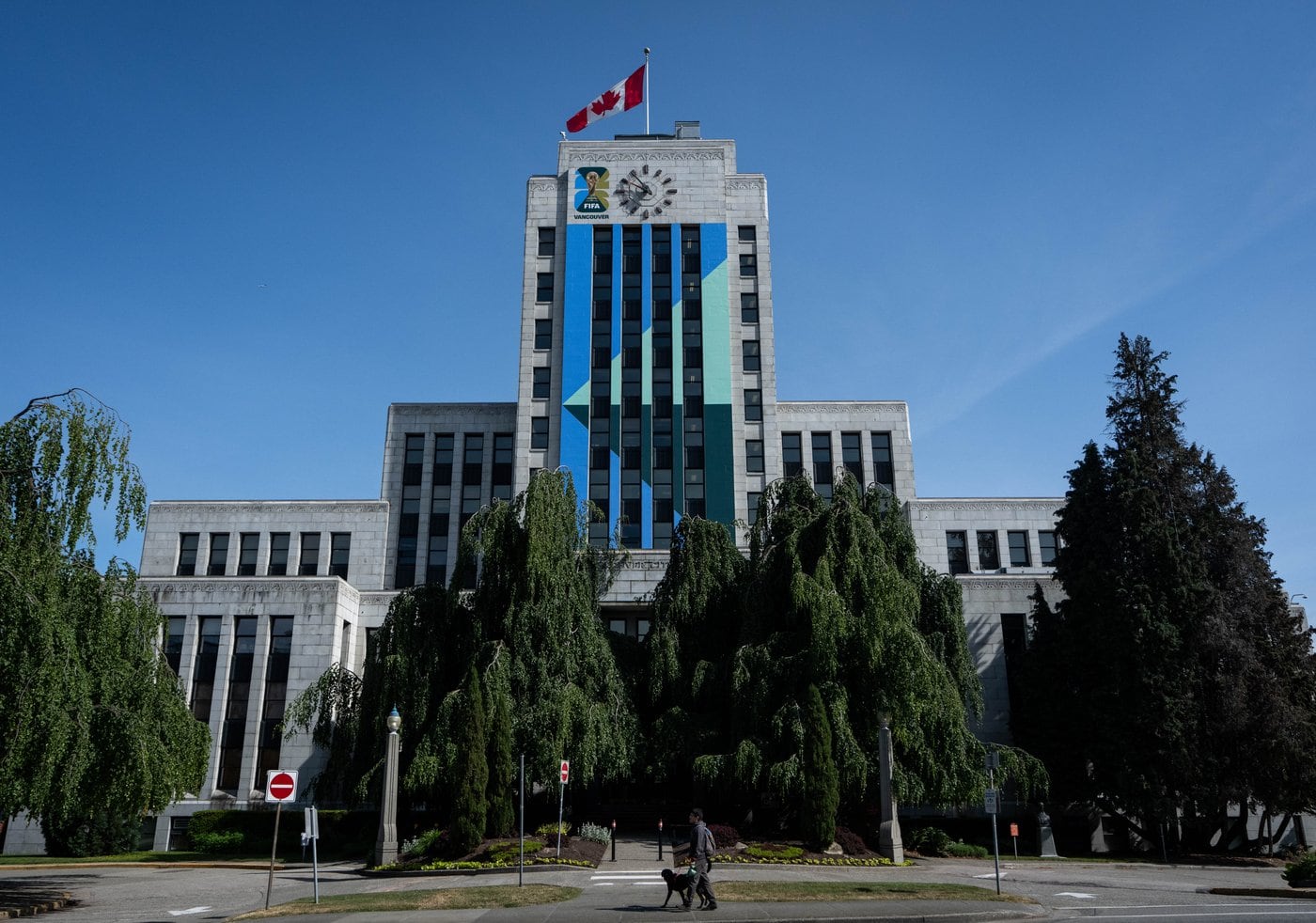
The policy preserves free camping in parks like Stanley Park and Kitsilano Beach, areas projected to see 40% visitor surges. Critics warn this could strain sanitation and safety resources during the month-long tournament. Vancouver expects 7 match days to draw peak crowds, with hotels already reporting 95% occupancy.
This decision aligns with the city's 'Inclusive Host' strategy, prioritizing affordable options over corporate demands. Similar policies during the 2010 Olympics reduced homelessness complaints by 12% according to city data. The move signals Vancouver's intent to avoid displacing residents for mega-events.
Political analysts note the timing ahead of the 2026 municipal elections is no coincidence. By championing public access, Sim's administration aims to solidify progressive voter support while neutralizing housing critics. The policy also pressures neighboring cities to adopt similar stances.
Power Move: Vancouver's park camping decision transforms a logistics issue into a political wedge. Expect this to become a template for other World Cup host cities—and a flashpoint for debates on public space privatization.
This article was edited with AI assistance for readability. Read original here.

:strip_icc():format(jpeg):watermark(kly-media-production/assets/images/watermarks/bola/watermark-color-landscape-new.png,1125,20,0)/kly-media-production/medias/5409606/original/006966900_1762862875-20251111BL_Latihan_Perdana_Timnas_Indonesia_U-22_untuk_SEA_Games_2025_22.jpg)
:strip_icc():format(jpeg)/kly-media-production/medias/5761301/original/087713900_1778664218-000_63RG4PM.jpg)