
Sherrill Denied ICE Access as Detainees Hunger Strike
Baca dalam 60 detik
- Sherrill's denied entry follows a pattern of ICE restricting congressional oversight, raising constitutional questions about legislative authority.
- These protests signal deepening crisis within facilities operating beyond public scrutiny.
- The congresswoman's push for access aligns with broader Democratic efforts to reform immigration enforcement.
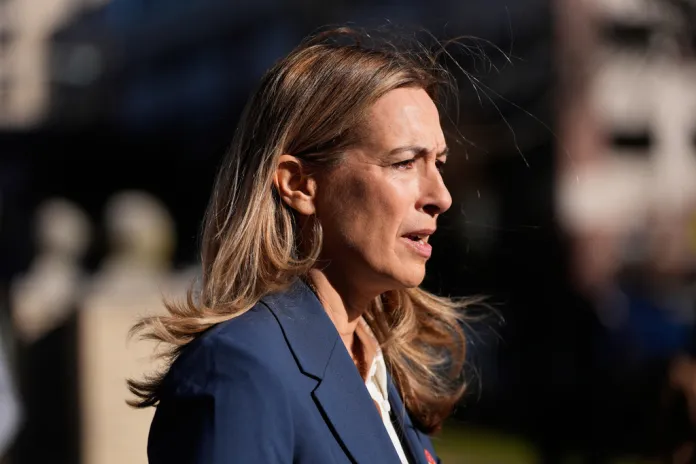
Sherrill's denied entry follows a pattern of ICE restricting congressional oversight, raising constitutional questions about legislative authority. The hunger strike—involving dozens of detainees—targets prolonged detention and inadequate healthcare. These protests signal deepening crisis within facilities operating beyond public scrutiny.
The congresswoman's push for access aligns with broader Democratic efforts to reform immigration enforcement. Republicans argue such visits disrupt operations and compromise security. This clash highlights the partisan divide over border policy ahead of the 2024 elections.
ICE maintains it denied entry due to safety concerns, but critics cite a history of obstruction. The hunger strike's duration and scale could force federal intervention or policy changes. Sherrill's next move—likely a subpoena or public hearing—will test executive accountability.
Power Move: Expect Sherrill to escalate oversight demands, potentially triggering a legal battle that forces ICE to choose between transparency and operational secrecy. The hunger strike's outcome could redefine detainee rights and congressional access for years.
This article was edited with AI assistance for readability. Read original here.


