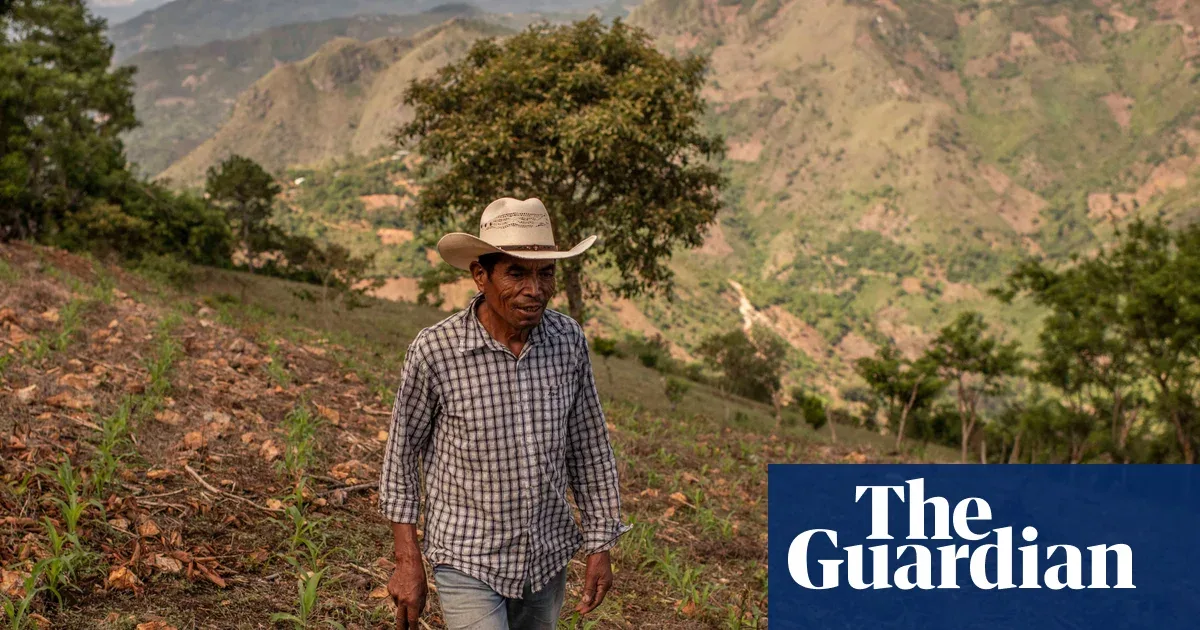
Extreme El Niño Hits Peru and Ecuador: 34 Dead, Floods Cripple Economy and Elections
Baca dalam 60 detik
- Sedikitnya 34 orang meninggal di Ekuador akibat curah hujan ekstrem yang dipicu El Niño kuat sejak akhir Agustus.
- Banjir merendam jalan raya utama, memaksa evakuasi massal, dan mengganggu jadwal pemilu lokal di Ekuador.
- Bank sentral Peru memperkirakan El Niño memangkas pertumbuhan ekonomi hampir satu poin persen tahun ini dan lebih dari satu poin pada 2027.
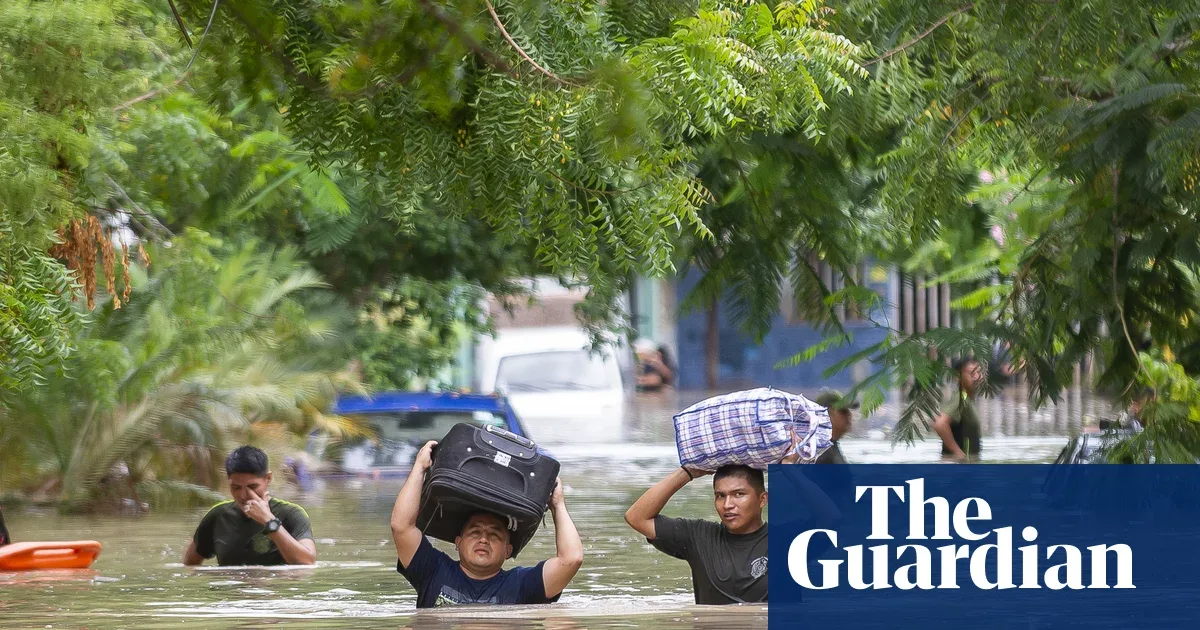
Hydrometeorological disasters have struck the Pacific coast of South America. Rivers in northern Peru and Ecuador overflowed on Saturday (28/11), triggering water rescue operations, evacuations, and the closure of several road sections. Local authorities reported at least 34 people dead in Ecuador since late August due to prolonged heavy rain worsened by an extraordinarily powerful El Niño.
This year's El Niño differs from the usual cycle. The meteorological agency forecasts its intensity will remain at an "extraordinary" level until February, extending red alert status in Peru's Piura and Tumbes regions until Monday. In Esmeraldas Province, northwestern Ecuador, police and firefighters evacuated families after two rivers overflowed. As of Saturday morning, more than 50 road sections were damaged and at least 10 of them closed, including the main route connecting the capital Quito with the coastal region.
The disaster's impact has spilled into politics. Ecuador's local elections, originally scheduled for February, have been forced to take place this Sunday, but the storm continues to disrupt logistics. The national electoral council moved polling stations in five provinces and warned that dozens of other locations are at risk. Meanwhile in Peru, the overflowing Tumbes River flooded part of the Pan-American Highway, the main north-south artery. Police rescued seven trapped herders, while tidal waves damaged hotels in the resort city.
In Piura, a city in northwestern Peru, rainfall reached 143 mm in a single day—recorded as the highest—flooding streets waist-deep. Peruvian President Keiko Fujimori, who inspected the flood zone during Friday's thunderstorm, said rescue teams had evacuated 400 people from their homes, though about a dozen remained trapped. Fujimori warned the country faces a "mega Niño" and that the government is coordinating aid from the United States and China.
Even the usually dry capital Lima has felt the anomaly. Some neighborhoods have been drenched in continuous drizzle, while temperatures elsewhere reached 32 degrees Celsius, nearly 10 degrees above normal. "My house is like an oven," said Cindy Cueto, a mother of three cooking at a communal kitchen in Lima's hillside area. Similar complaints came from Elizabeth Espinoza, a cake vendor on the city's outskirts: "Things are getting worse. Prices are very high, the money isn't enough anymore."
Economic pressure is mounting. El Niño has cut harvests and fish catches, pushing Lima's annual inflation above 5% in October—the highest in three years. Peru's central bank estimates the phenomenon will trim economic growth by nearly one percentage point this year and more than one point in 2027. For Indonesia, also located on the Pacific rim, the lesson is relevant: dependence on agriculture and fisheries makes the country vulnerable to similar climate shocks. Strengthening early warning systems and food diversification are key.
With alert status extended until February, the big question is how far the governments of Peru and Ecuador can accelerate infrastructure recovery while holding back food inflation. Coastal communities now wait to see whether El Niño's intensity will truly subside, or whether it will become a new pattern they must face every year.