UK Agrees to Pay 'Participation Fee' to European Union Amid Legal Powers Controversy
Baca dalam 60 detik
- Dokumen hukum mengungkap bahwa Inggris akan membayar biaya partisipasi tambahan sebesar 4% dari kontribusi operasionalnya kepada Uni Eropa.
- Pemerintah Inggris mengklaim biaya tambahan hanya puluhan juta poundsterling per tahun, jauh lebih kecil dari proyeksi keuntungan ekonomi miliaran poundsterling.
- Oposisi mengkritik pemberian kewenangan luas kepada pemerintah untuk mengadopsi hukum EU tanpa melalui proses parlementer penuh.
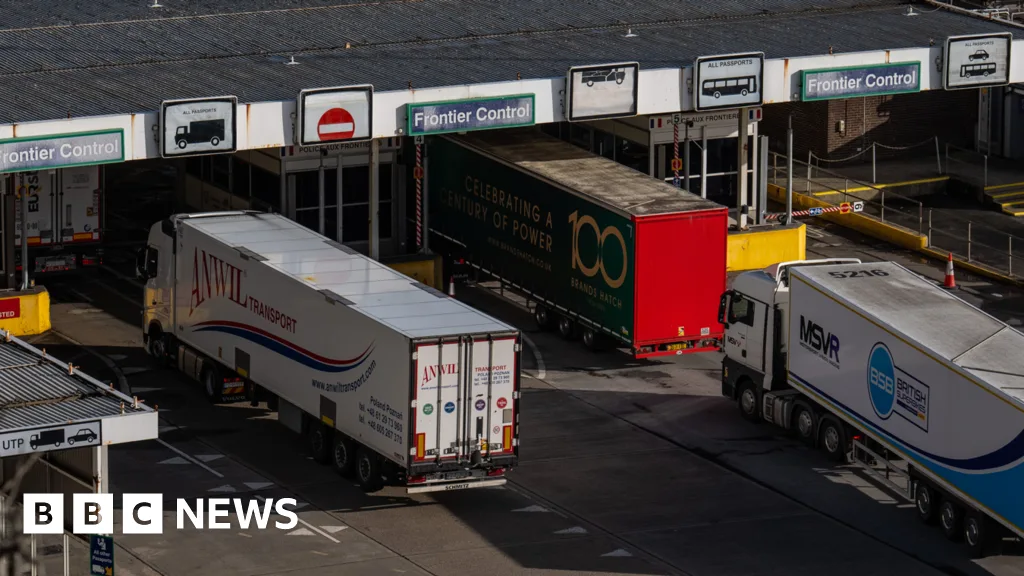
The UK government has been confirmed to be set to deposit a special participation fee into EU coffers as a consequence of the trade agreement just reached by Prime Minister Andy Burnham. Legal documents released last weekend show that the levy will be used to fund the operations of EU institutions and the systems needed to run two main agreements: re-entry into the EU carbon market and alignment of food standards.
The payment scheme has drawn attention because it emerged while the government is actively campaigning on the economic benefits of the agreement. London estimates that in the long term, increased trade will boost economic growth by billions of pounds per year. However, to date, there is no official estimate of the total additional costs to be borne. Local officials put the figure at tens of millions of pounds per year, and say it will be "far outweighed" by the projected economic gains.
According to the agreement text, payments will be calculated as part of the operating costs of three EU institutions and the various systems underpinning the food and emissions agreements. The largest portion, to be paid in euros, takes the form of an "operational contribution" proportional to the size of the UK economy compared with the EU. The mechanism is similar to how EU member states share the burden of their contributions to the joint budget. However, there is an additional "participation fee" of 4% of the value of that main contribution.
The government argues that a similar scheme was also applied in the 2021 post-Brexit trade agreement negotiated by the Conservative Party. At that time, the UK was also charged additional fees to participate in EU programs. However, the emergence of these cost details is expected to provide ammunition for the opposition opposing the agreement. Foreign Secretary Ed Miliband, on Sunday (yesterday), stressed that the agreement reached by Burnham "is not about costs imposed on taxpayers".
The controversy does not stop at costs. The government separately issued legislation granting broad powers to incorporate new EU laws needed to implement the agreement, without having to go through a full parliamentary vote each time a new rule appears. The move has drawn sharp criticism from opposition parties because the UK no longer has voting rights in the EU to shape European legislation. The government argues that the powers are necessary because a full parliamentary process for every legal change would be highly impractical.
"The prime minister is asking members of parliament to hand him extraordinary powers, even though he himself does not know what the EU will approve," said Conservative Party leader Kemi Badenoch, accusing Burnham of showing "contempt for the democratic process" by asking for a "blank cheque to implement EU law".
Echoing that, Reform UK leader Nigel Farage assessed that Burnham's agreement would take the UK back into "most of the European Union single market". He rejected the claim that approaching the EU would drive growth, stating, "The European economy is not growing as fast as ours. The idea that getting closer to the EU will give us growth is a myth."
Nevertheless, the agreement text confirms that UK experts can be consulted while new EU laws are being drafted, and the UK is given "observer" status in certain meetings. However, without formal voting rights, the effectiveness of UK influence in shaping EU rules remains in question. For Indonesia, this dynamic reflects how countries outside major economic blocs must negotiate regulatory sovereignty and participation costs when they want to stay connected to key markets. As the UK seeks to balance economic benefits and political sovereignty, the question now is: will this "participation fee" model become a precedent for other countries seeking close cooperation with the EU without becoming full members?