Petition by 290,000 Canadians Demands US Ambassador Leave, Carney Under Pressure
Baca dalam 60 detik
- Sebanyak 290 ribu warga Kanada menandatangani petisi agar Pete Hoekstra dinyatakan persona non grata dan dicabut hak diplomatiknya.
- Petisi ini dipicu serangkaian pernyataan Hoekstra yang dianggap melecehkan kedaulatan Kanada dan mendukung aneksasi.
- Meski tidak mengikat, tekanan publik bisa menjadi alat tawar Carney menghadapi pemerintahan Trump yang kini menghadapi Kongres dengan mayoritas Demokrat.
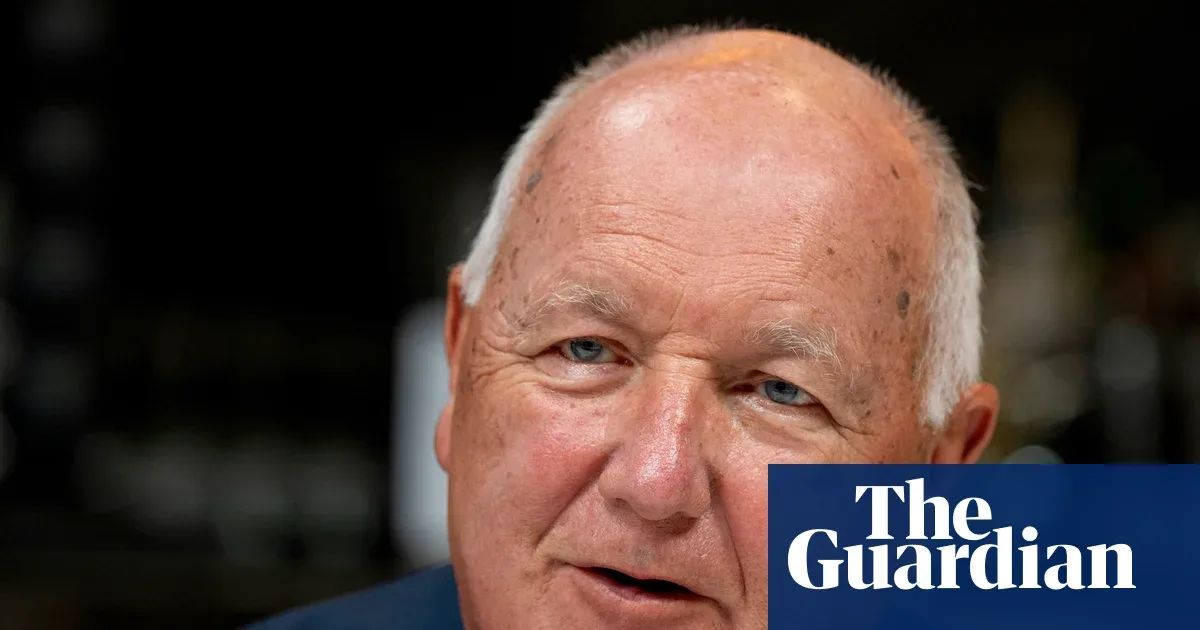
The wave of protests against the United States Ambassador to Canada, Pete Hoekstra, reached its peak in parliament. A petition signed by nearly 290,000 Canadians was officially submitted to the House of Commons on Thursday (27/11/2026), demanding that Prime Minister Mark Carney's government declare Hoekstra persona non grata. The move is an open signal that relations between the two neighboring countries are at their lowest point in decades.
The petition, initiated by Green Party of Canada member Elizabeth May in July 2026, accuses Hoekstra of diplomatic interference in Canada's domestic affairs. According to the signatories, Hoekstra's statements about Canadian politics violate diplomatic protocol and damage bilateral relations. "He has repeatedly been rude and insulting to Canadians," May said while reading the petition in parliament, as quoted by Politico. She even called Hoekstra the "least diplomatic diplomat" Canada has ever seen.
Hoekstra has indeed become a highly controversial figure in Canada. Last year, in an interview with a Michigan radio station, he described President Donald Trump's rhetoric about making Canada the 51st state as a "sign of affection" and questioned why Canadians were offended by what he called a "generous offer". The statement sparked outrage among the Canadian public, who felt their sovereignty was being belittled.
Tensions escalated further after Hoekstra accused Canada of potential "political interference" in US elections. Carney strongly rejected the accusation. "I am disappointed that their envoy thinks his role is to make suggestions like that," Carney told reporters in Turkey. He stressed that Hoekstra's claim was "baseless".
More sensitively, Hoekstra also once described Canada's 2025 federal election—which the Liberal Party won dramatically—as "anti-American". He even suggested Canada could be blamed if the Republican Party performed poorly in last November's midterm elections. The comment drew a sardonic reaction from Carney: "That's an interesting way to frame the issue."
The midterm election results in fact showed a setback for the Republican Party. The Democratic Party swept victories in a number of key states, including Michigan and Maine, the regions most affected by the tariff war between Washington and Ottawa. The trade war has raised costs for households in both countries. Carney revealed that US tariffs had damaged a trade agreement that had lasted for decades. "Tariffs have raised costs for American families while placing workers and businesses in Ontario in uncertainty," he said.
Although the petition is not legally binding, the Canadian government is required to provide an official response. May expects the government will most likely refuse to declare Hoekstra persona non grata because of the significant diplomatic impact. "I think the government will say, 'No, we are not prepared to revoke his diplomatic credentials,'" she told CTV. However, she hopes the petition will serve as a signal to Trump that the Canadian government has strong support from its people, and can be used as a bargaining tool against the White House, especially with the Democratic Party now controlling Congress for the second half of Trump's term.
For Indonesia, this Canada-US tension is a mirror of how domestic public pressure can constrain a country's diplomatic room for maneuver. As a country that also frequently faces geopolitical pressure from major powers, Indonesia can draw lessons about the importance of sovereignty and consistency of stance in dealing with major trading partners. Meanwhile, a prolonged tariff war could disrupt global supply chains, including the prices of commodities that are the mainstay of Indonesia's exports.
Looking ahead, will Carney use the momentum of this petition to strengthen Canada's bargaining position at the trade negotiating table, or will he instead choose to ease tensions for the sake of economic stability? The answer will determine the direction of relations between the two countries—and the stability of regional trade—in the coming years.