After Being Held at Bali Immigration, 12 Papuans Finally Cleared to Fly to Vanuatu
Baca dalam 60 detik
- Presiden Prabowo Subianto turun tangan langsung untuk membebaskan keberangkatan 12 warga Papua yang sempat tertahan di Bandara Ngurah Rai, Bali.
- Kasus ini bermula dari kegagalan sistem autogate yang memicu pemeriksaan manual dan berujung pada penahanan tidak resmi selama dua hari.
- Kejelasan status keimigrasian menjadi preseden bagi penegakan hukum yang lebih transparan, terutama yang menyangkut aktivitas politik diaspora.
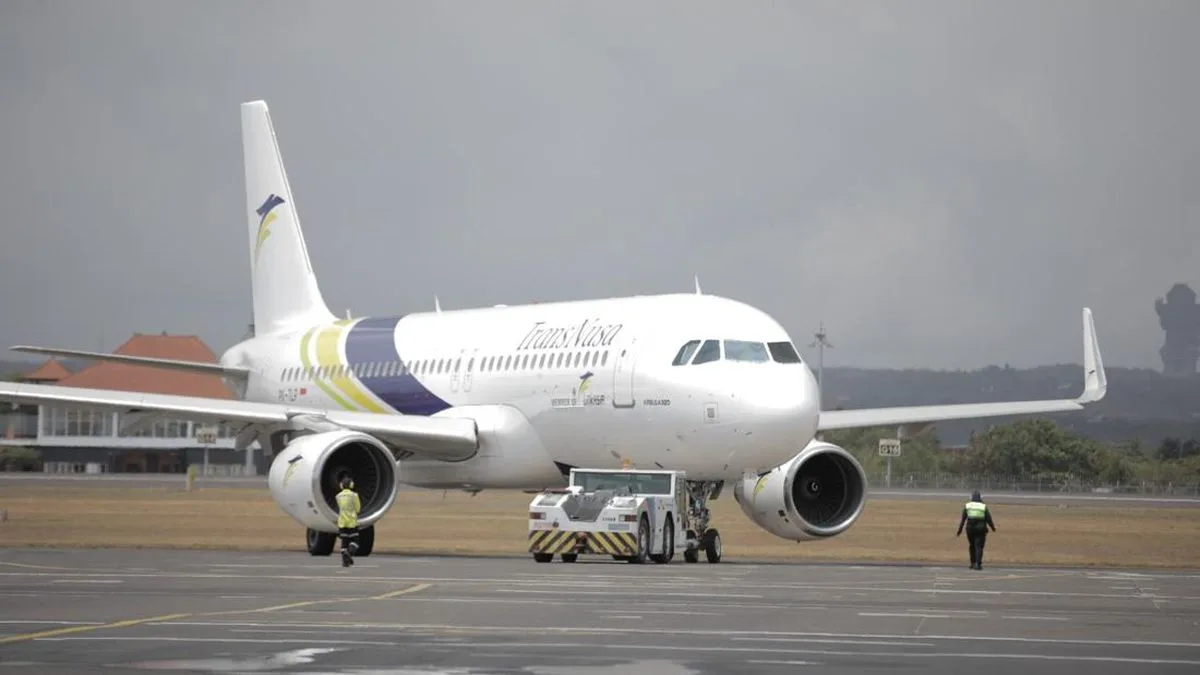
Two days after being held at I Gusti Ngurah Rai International Airport in Bali, a group of 12 Papuans finally obtained permission to fly to Vanuatu. The certainty came after President Prabowo Subianto gave direct instructions to the Directorate General of Immigration to speed up the group's administrative clearance.
Special Staff to the Minister of Human Rights for Digital Transformation and Media Communication, Thomas Harming Suwarta, said the immigration issue that had stalled the departure of the group had been resolved. "Through the coordination and communication we carried out, this issue has found a way out. This includes the immigration status of six Papuans who previously could not depart and have now received permission from Immigration," he said in a press release received in Denpasar on Sunday (29/11).
The incident began on Friday night (27/11) when the 12 people were about to fly to Sydney, Australia, before continuing to Port Vila, Vanuatu. At the autogate, their passports failed to scan, so officers conducted manual checks. From that process, only two people were immediately cleared to depart, while the other 10 were held. Later, four of the ten were allowed to fly, leaving six people who still did not get the green light. Ironically, the six who already held passports and had been cleared also ultimately failed to depart because the aircraft door had closed. They were sent back to join the six colleagues who had been held from the start.
The detention drew public attention after the Papua Legal Aid Institute (LBH Papua) released a press statement criticizing the slow immigration process. LBH Papua highlighted that the detention of Indonesian citizens intending to travel abroad should be accompanied by clear legal grounds, not merely technical passport-scanning problems. The case has also become a test of the government's commitment to protecting citizens' constitutional rights, especially those intending to attend an international forum.
The group was scheduled to attend a reconciliation and reunification meeting of the United Liberation Movement for West Papua (ULMWP) in Port Vila. Their presence at the forum makes the incident at Ngurah Rai Airport more than an administrative matter; it touches on the political dimension of the diaspora. The Indonesian government has consistently rejected all forms of activity deemed to disrupt sovereignty, but on the other hand it is required to ensure that immigration actions do not violate citizens' civil rights.
"President Prabowo Subianto has ordered directly that the group of Papuans who were held at immigration be allowed to depart," said Thomas Harming Suwarta.
As of Sunday afternoon, the Directorate General of Immigration had not provided an official explanation of the exact cause of the autogate system failure and the reasons behind the prolonged detention. The Ministry of Human Rights confirmed that ticket and flight schedule matters would soon be handled by seeking the nearest available flight. Nevertheless, the public awaits transparency on the operating standards that allowed 12 people to be held for up to two nights without a clear detention letter.
Going forward, the case could set a precedent for immigration inspection procedures at international airports. If an autogate technical failure can lead to detention without a strong legal basis, a thorough evaluation of the oversight mechanism at Indonesia's entry and exit points is needed. The government is also required to ensure that every action by immigration officers is in line with human rights principles, regardless of a person's ethnic background or travel destination.