Marcelo Djalo, Persik's 1.93-Meter Wall Who Has Not Forgotten Guinea-Bissau
Baca dalam 60 detik
- Marcelo Djalo langsung menjadi pilar pertahanan Persik Kediri di BRI Super League 2026/2027 berkat postur 1,93 meter dan pengalaman internasional.
- Meski karier klubnya moncer di Indonesia, bek berdarah Guinea-Bissau ini tetap menyimpan ikatan emosional dengan timnas negara Afrika tersebut.
- Kedekatannya dengan Flavio Silva—mantan striker Persik—menambah dimensi unik pada dinamika pemain asing di sepak bola Indonesia.
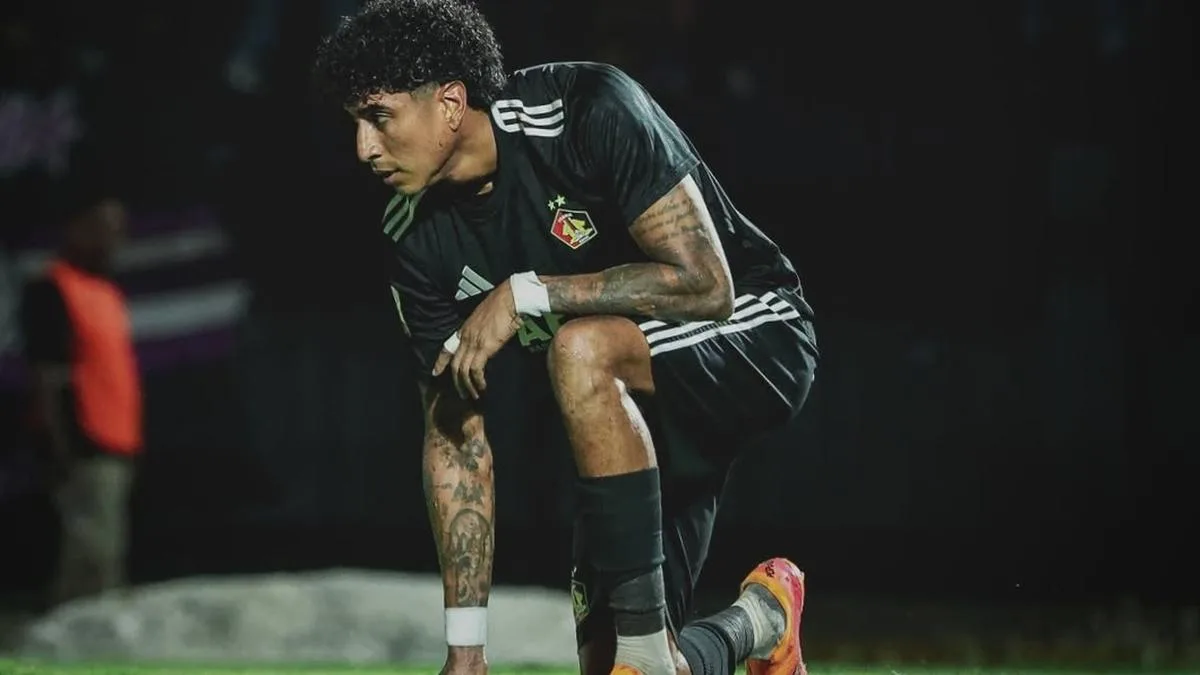
Marcelo Djalo needed little time to prove himself as one of the most prominent center-backs in the BRI Super League 2026/2027. His debut with Persik Kediri immediately drew attention, not only because of his towering 1.93-meter frame but also because of his impressive career track record.
Alongside Park Jun-heong, a South Korean defender of similar height, Djalo forms a defensive wall that is hard to break down. This duo has turned the Macan Putih back line into one of the most solid in the competition. For Persik, the arrival of the 33-year-old seems to answer doubts about the quality of foreign players in the defensive sector.
Djalo's journey in football cannot be overlooked. Born in Barcelona, he trained at the Real Madrid academy before embarking on a professional career at Juventus and Fulham. Experience at two Thai clubs, Buriram United and Uthai Thani, added insight into the toughness of Asian competition. Now, Indonesia is his latest stop.
Behind his fierce appearance on the pitch, Djalo holds deep pride for Guinea-Bissau, the country of his heritage. For five years, he represented the West African nation's national team and recorded 20 appearances. Although he no longer plays for the national team, he still follows the squad under its local coach.
“I am very proud to have been part of the Guinea-Bissau national team. An unforgettable moment. Their federation is now building a team with young players for the Africa Cup of Nations,” Djalo said.
His closeness to Indonesian football does not stop at Persik. Djalo says he knows Flavio Silva well, the Portuguese striker who was once Persik's top scorer with 25 goals before moving to Persebaya. Silva, who also has Guinea-Bissauan blood, has just joined that country's national team. “I know him and am acquainted with him. We still communicate with other national team players. He is a good player and was a great striker at Persik,” he added.
For Indonesian football, the stories of Djalo and Silva reflect how foreign players with international backgrounds can enrich the domestic competition. Their presence not only raises the quality of play but also builds a bridge between the local league and the global football network. Persik Kediri, known for its fanatical supporter base, appears to have secured a player who is not only technically robust but also has strong character.
Going forward, Djalo's performances with Persik will continue to be tested, especially against teams with fast and creative attacking lines. If he can maintain consistency, it is not impossible that he becomes one of the best foreign defenders ever to play in Indonesia. Meanwhile, the national football public awaits whether the synergy between players like Djalo and Silva—though now at different clubs—can inspire more players of heritage to gain experience in Liga Indonesia.