US Midterm Elections 2026: The Battle for Congress and Trump's Final Two Years
Baca dalam 60 detik
- Pemilih AS menentukan apakah Partai Republik mempertahankan cengkeraman penuh di Washington atau Partai Demokrat merebut satu atau kedua kamar Kongres.
- Kemenangan Demokrat diprediksi memicu kebuntuan legislasi, memperbesar peran perintah eksekutif, dan membuka investigasi terhadap Gedung Putih.
- Pasar keuangan bersiap menghadapi volatilitas jangka pendek, meski analis menilai status quo kebuntuan tetap menjadi skenario paling mungkin.
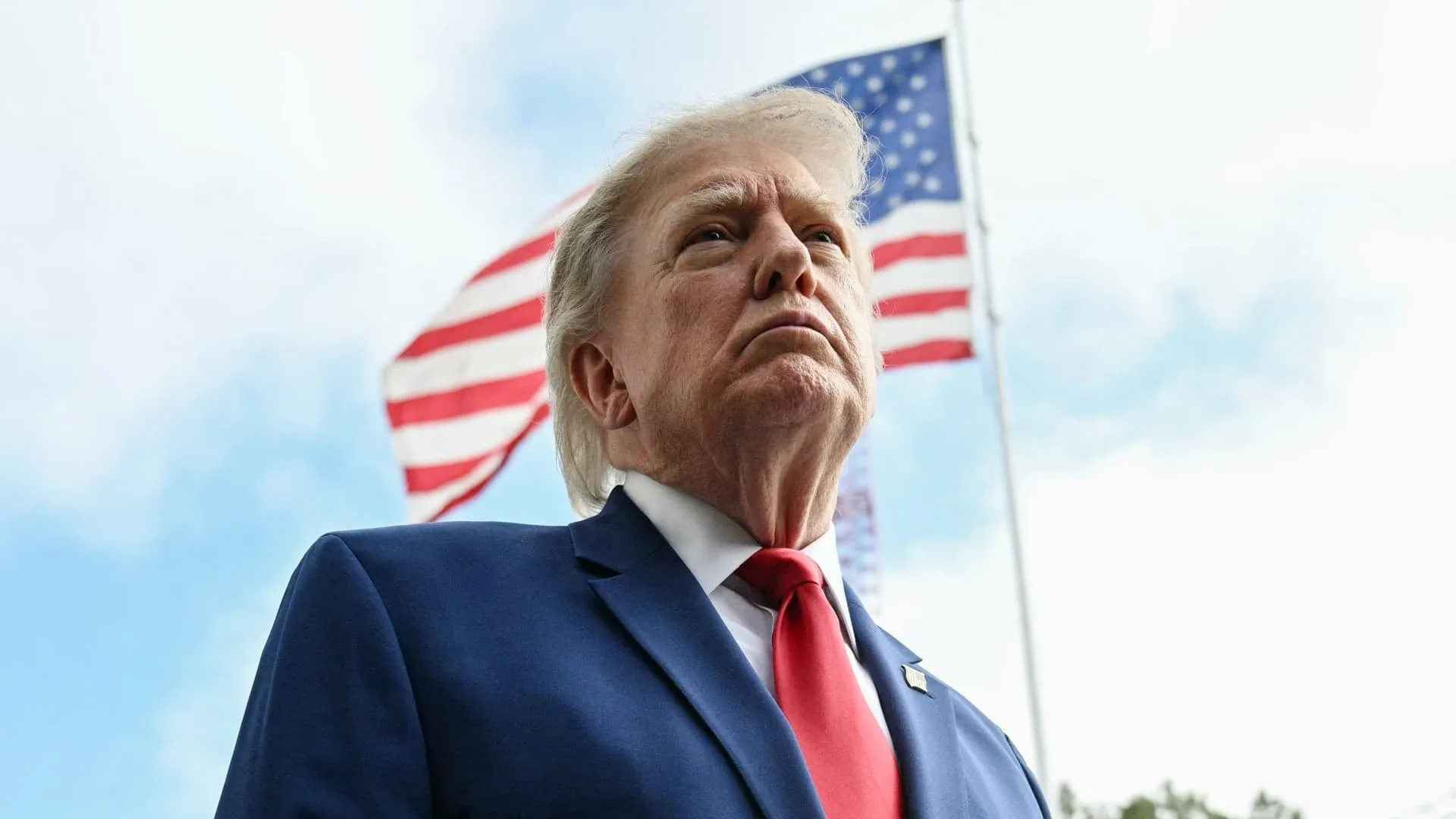
The United States midterm elections on Tuesday (3/11) will determine the country's political direction for the remainder of President Donald Trump's term. Beyond the seats in the Senate and the House of Representatives, the outcome will decide whether Trump retains full control of Congress or is reduced to a lame-duck president whose power is eroded from Capitol Hill.
If the Republican Party holds its majority in both chambers, Trump will still have ample room to pursue his legislative agenda, including a major policy package that had been delayed. But if the Democrats capture even one chamber, the president's legislative priorities will be sharply curtailed. Even the basic functions of government—from the budget to the operations of ministries—risk being held hostage by political deadlock.
Several polling firms and prediction markets place the Democrats in an advantageous position, particularly to take control of the House from the Republicans. Nevertheless, the final result cannot be confirmed until vote counting is complete, which in some states can take days to weeks. The Senate is expected to be the tightest battleground; if the balance of power hinges on the result in Alaska, the American public will have to wait patiently for the counting process in that state.
Stifel, through its Washington Policy Strategy Group, highlighted that the election results could trigger an immediate market reaction, especially once the Senate outcome becomes clearer. However, according to the analysts, the initial market moves could reverse as investors realize that legislative deadlock remains the most likely policy outcome in any scenario. In other words, short-term volatility does not necessarily change the long-term outlook.
In a divided-Congress scenario, the budget reconciliation mechanism that the ruling party typically uses to pass major spending policies becomes impossible. Every law must go through bipartisan negotiation, making the government budget blueprint, defense spending, and the debt-ceiling increase more crucial and more prone to conflict. The party that does not hold the White House usually uses these mandatory moments to extract concessions from the majority party—a practice that often triggers brinkmanship and threats of government shutdown.
If the Democrats sweep both the House and Senate, they are expected to pursue investigations of the White House and businesses tied to the Trump administration more aggressively. Subpoena power in congressional committees will be their main tool. Nevertheless, legislation passed by Congress still faces the presidential veto, so the chances of it becoming law remain limited. Democratic senators are also expected to use their majority position to amplify the party's agenda ahead of the 2028 presidential election.
"Election results could trigger an immediate market reaction, especially as the Senate outcome becomes clearer. However, reflexive market trading could reverse as investors realize that deadlock remains the most likely policy outcome in any scenario," Stifel wrote in its analyst report on Sunday (1/11).
On the other hand, if the Republicans manage to hold their Senate majority despite losing the House, Stifel expects a relief rally in sectors previously pressured by the prospect of a Democratic victory. In this scenario, the Republican Senate would serve as a counterweight to Trump's populist impulses, while the Democrats still control the House and legislative deadlock continues.
What is most likely, according to the analysts, is an increased use of executive orders by Trump to compensate for deadlock in Congress. This instrument allows the president to make policy without legislative approval, though it is vulnerable to legal challenges and political shifts later on. On the other hand, if the Republicans actually hold both chambers, the status quo will persist and Trump's legislative agenda can continue, with the Democrats still having limited influence through the Senate filibuster threshold.
For Indonesia, the US midterm election results remain relevant even though they do not directly change bilateral relations. Political deadlock in Washington could slow the approval of trade policies, including tariff and investment agreements involving major trading partners such as Indonesia. Uncertainty over the direction of US fiscal policy could also affect global capital flows and the rupiah exchange rate, especially if market volatility increases after the election. Businesses in Indonesia that depend on exports to the US or American investment need to monitor the progress of budget and debt-ceiling negotiations in Congress in the coming months.
The big question now is: will American voters give Trump a new mandate to continue his grand agenda, or will they opt for stricter checks and balances? The answer will not only shape the direction of US domestic policy but will also shake the global economic landscape—including for emerging market countries that have long been Washington's trading partners and investment destinations.