Presidential Wiretapping Scandal: Three Generals Detained, Yusril Says Prabowo Knew from Police Chief's Report
Baca dalam 60 detik
- Tiga perwira tinggi Polri resmi ditahan Bareskrim atas dugaan penyadapan ilegal terhadap Presiden, menteri, dan sejumlah tokoh.
- Menko Yusril menegaskan laporan Kapolri sudah sampai ke Prabowo, menandakan kasus ini menyentuh kepentingan negara.
- Modus penyadapan tanpa surat resmi dan penghapusan log menimbulkan pertanyaan besar soal pengawasan internal Polri.
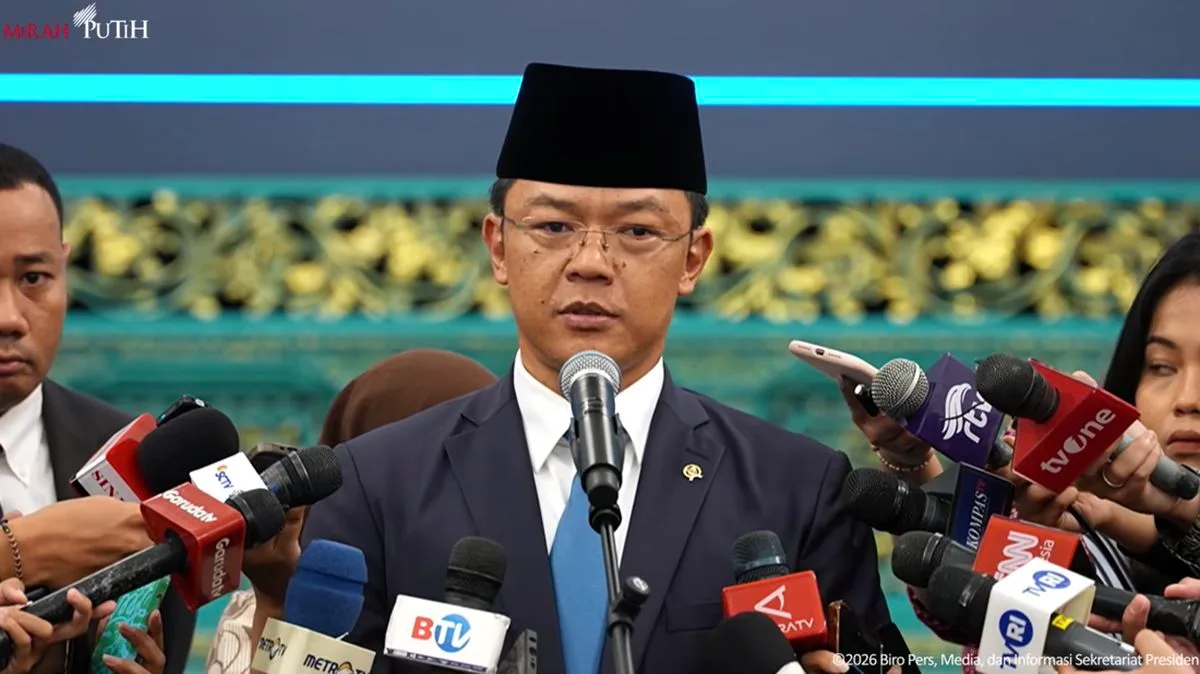
Coordinating Minister for Law, Human Rights, Immigration, and Corrections Yusril Ihza Mahendra confirmed that President Prabowo Subianto has been informed of the alleged wiretapping of himself and several ministers. According to Yusril, the head of state received the information through a report from National Police Chief General Suyudi Ario Seto. Yusril made the statement at a press conference in Jakarta on Tuesday night, signaling that the case has reached the highest circle of power.
For Yusril, wiretapping the president is no ordinary matter. He stressed that there is still no clarity on the motive behind the action. "Imagine a President being intercepted, wiretapped, imagine ministers being wiretapped, and we actually do not know what the wiretapping was for," he said, describing a situation that he said is far from a simple problem. The statement implies that the government views this case as a serious threat to national sovereignty, not merely a technical violation.
The National Police Criminal Investigation Department (Bareskrim) took firm action by naming three generals as suspects. Besides Listyo Sigit Prabowo, who once served as National Police Chief and Head of the Presidential Staff Office, the two other names are Insp. Gen. Ahrie Sonta Nasution, head of the National Police Legal Division, and Insp. Gen. Eko Hadi Santoso, who holds the position of Widyaiswara Kepolisian Utama TK1 at Sespim Lemdiklat Polri. All three are now being held at the Bareskrim detention center at National Police Headquarters. Bareskrim chief Comr. Gen. Asep Safrudin revealed that the wiretapping was carried out without procedure, even without an investigator's request letter or an attached police report.
What is aggravating is that the wiretapping was not related to law enforcement. The suspects are also alleged to have deleted log traces in October 2026 to erase the history of the wiretapping. The action shows a systematic effort to cover up a covert intelligence operation targeting a number of strategic circles: state officials, political figures, media, mass organizations, nongovernmental organizations, and businesspeople. In the context of Indonesian democracy, wiretapping without legal control sets a bad precedent because it could be used as a tool of political pressure.
"Of course the President knows because it was reported by the Police Chief to him," Yusril said, affirming the information channel to the head of state.
This case is a test not only for the National Police institution but also for the Prabowo administration. One of the suspects is Listyo Sigit Prabowo, who was once the number one figure in the Bhayangkara corps and was later trusted to lead the Presidential Staff Office. The involvement of a figure of that caliber raises questions about how deeply illegal wiretapping practices have taken root and how internal oversight mechanisms have been working. The public certainly demands transparency: who gave the order, what was the motive behind the wiretapping, and why were the logs deleted in October 2026.
Yusril stressed that the Police Chief's report to the President is a form of institutional responsibility. However, his statement also opens room for questions: is the report enough to ease public concern, or does it instead indicate that the President himself has become a victim of the system that should protect him? So far, one person with the initials SU is still being questioned as a witness. The investigation continues, and the public's eyes are on the next legal steps.
Going forward, this case will be a litmus test of the government's commitment to cleaning up illegal wiretapping practices. If the suspects are proven guilty, the court verdict could become an important precedent for limiting intelligence power. Conversely, if the legal process moves slowly or is colored by intervention, public trust in law enforcement will erode further. The question now is: can the state fully dismantle this wiretapping network, or will it stop at the three generals already detained?