Binance User Emergency Fund Halved as Rp9 Trillion in Bitcoin Vanishes With No Replenishment Schedule
Baca dalam 60 detik
- Dompet SAFU Binance kini hanya menyimpan sekitar 7.500 BTC, turun drastis dari 15.000 BTC pada Februari 2026.
- Bursa mengklaim pemakaian dana untuk menutup celah peretasan senilai US$6,34 miliar, tetapi tak merinci porsi dari kas perusahaan maupun asuransi futures.
- Regulator dan pengguna menuntut transparansi jadwal pengisian ulang, sementara aturan internal SAFU tidak mengatur pengeluaran dana.

Binance has used half of the bitcoin reserves in its Secure Asset Fund for Users (SAFU), an emergency fund designed as a user safety net, without giving any certainty about when those assets will be returned. Based on on-chain data, the SAFU wallet published by the exchange — address 1BAuq7Vho2CEkVkUxbfU26LhwQjbCmWQkD — held only slightly more than 7,500 BTC as of Tuesday (3/11/2026), after four large transactions on 31 October.
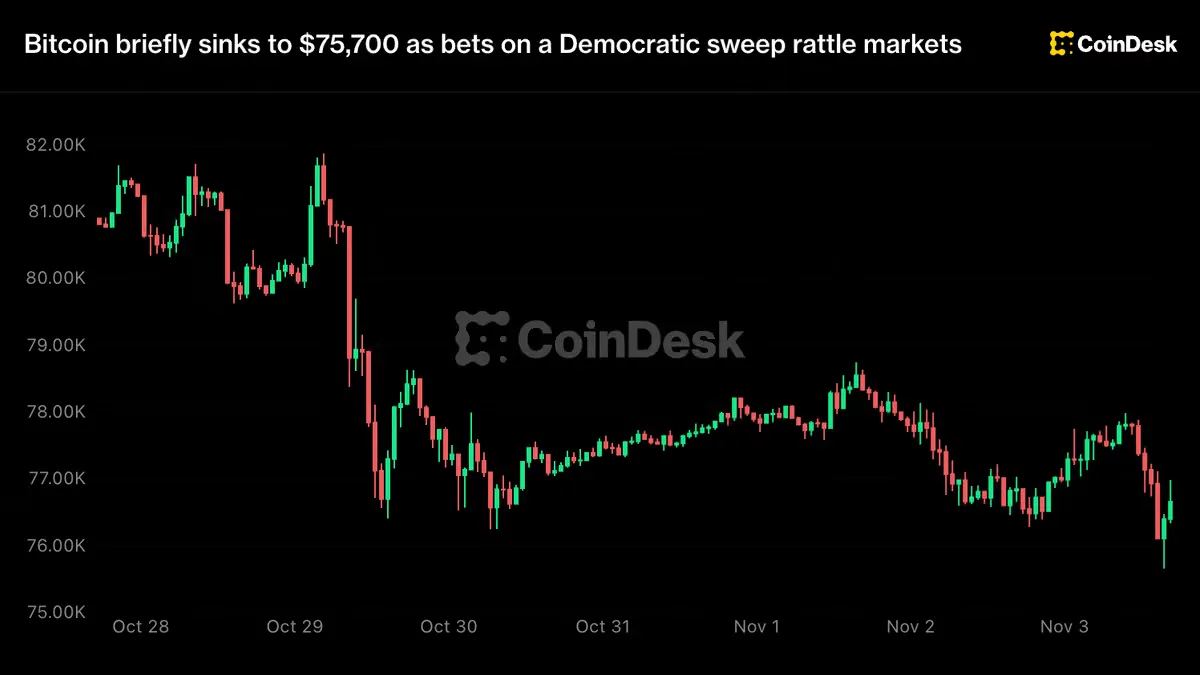
That figure has fallen sharply from its February 2026 position, when Binance completed the conversion of about US$1 billion from stablecoins into bitcoin, with the balance at that time reaching 15,000 BTC. With bitcoin priced at around US$77,000 per coin, the remaining reserves are now worth roughly US$580 billion — only about 58% of the initial US$1 billion target. The decline raises questions about SAFU's effectiveness as a user protection instrument amid the liquidity pressure bearing down on the exchange.
In its official statement on 31 October, Binance said the use of part of SAFU was part of its post-hack closure strategy worth US$6.34 billion. The exchange promised to restore the fund's value to around US$1 billion, but did not specify how much was drawn from each source — including how much of the futures insurance fund was depleted. This lack of clarity heightens concerns that SAFU, which should be the last line of defense, is instead becoming the first cushion in a crisis.
"We are committed to restoring SAFU to its original level, but the current priority is to ensure all user obligations are met," read an excerpt from Binance's statement quoted by CoinDesk, without specifying a definite replenishment date.
Several industry observers assess that Binance's move reflects a double pressure: on one hand it must close the giant hole caused by the hack, on the other it must maintain market trust. According to a blockchain security analyst, SAFU's existing rebalancing rules were not designed to accommodate emergency spending, so this gap could set a bad precedent for other exchanges that copy a similar model. "This is a test of transparency. Without a clear replenishment schedule, SAFU loses its psychological function as a market calmer," the analyst said.
For Indonesia, this dynamic is relevant given the rising adoption of crypto assets domestically. Based on Bappebti data, the number of national crypto investors had surpassed 20 million in 2025, with Binance among the platforms widely accessed even though it has no locally licensed entity. The Financial Services Authority (OJK), which began taking over crypto supervision in 2025, stresses the importance of consumer protection, including the obligation for global exchanges to publish emergency fund reports periodically. If SAFU continues to shrink without clarity, domestic regulators could tighten the terms of cooperation with foreign liquidity providers.
Going forward, the market's eyes are on two things: whether Binance will replenish SAFU before the end of the year, and how the global community will react to the exchange's financial transparency. Without concrete steps, doubts about the user protection model could spread across the entire ecosystem, triggering large-scale withdrawals that would only worsen liquidity pressure. The question now is simple: how long are users willing to wait for a recovery promise with no schedule?