Gibran's Electability Rises Amid Storm of Criticism: Political Bargaining Power Left Intact
Baca dalam 60 detik
- Survei SMRC mencatat elektabilitas Gibran Rakabuming Raka menanjak ke 8,4 persen pada Oktober 2026, kendati polemik ijazah dan serangan politik terus menghadang.
- Pengamat menilai jabatan wapres dan tingginya pengenalan publik menjadi modal utama Gibran, sementara gempuran di media sosial belum tentu mencerminkan suara mayoritas.
- Tantangan ke depan: membuktikan kapasitas kepemimpinan dan akuntabilitas agar popularitas tidak berhenti sebagai sorotan semata.
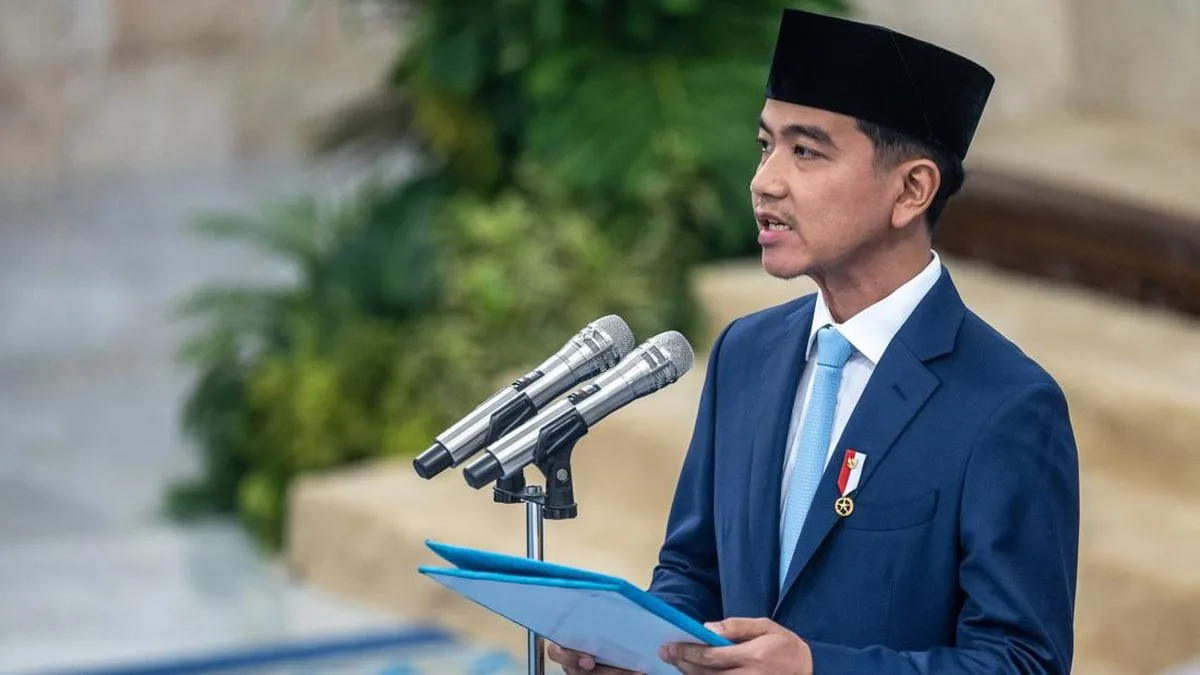
Vice President Gibran Rakabuming Raka's electability has instead climbed amid the torrent of criticism and controversy surrounding him. An SMRC survey conducted on 1–10 October 2026 placed Gibran fourth with 8.4 percent in a semi-open simulation of 24 presidential candidates, up from 7.7 percent in July 2026. The rise signals that political attacks do not necessarily erode his bargaining power.
Executive Director of Puspoll Indonesia, Chamad Hojin, assessed that Gibran's position as vice president and his broad public recognition are political capital that keeps his name in consideration among potential candidates. According to him, a figure's strength is determined not only by the office currently held but also by their bargaining power in the next contest for power.
Even so, that strategic position also keeps Gibran under scrutiny. A series of controversies, from education administration issues and political rivalries to debates over his family background, have colored his political journey. Chamad sees criticism of Gibran as fairly dominant in social media conversations. However, he cautioned that the volume of criticism in digital spaces does not necessarily reflect the views of the majority of the public.
The interactive nature of social media makes controversial content and political debate more likely to draw attention. As a result, the voices of vocal groups can appear more dominant than the views of the public as a whole. "The loudest voices on social media do not necessarily represent the true majority," Chamad said in a statement on Monday (2/11).
Chamad added that intense criticism of a political figure does not always lead to a decline in electability. Under certain conditions, attacks intended to dim a figure's image can actually broaden public recognition of that person. However, he cautioned that popularity and rising public attention do not automatically translate into political support.
"Gibran's strategic position must still be matched by proven performance, leadership capacity, and accountability as vice president." — Chamad Hojin, Executive Director of Puspoll Indonesia
With that political capital, Gibran is expected to remain a figure factored into the calculations of the national political elite. The challenge is to prove his leadership capacity while maintaining public trust amid the criticism and political attacks that continue to accompany him. The question is whether this rise in electability will translate into real political support, or remain merely a shadow of popularity.