'Smart' Keurig Reportedly Consumes 1,008 GB of Data in 10 Days, a Wake-Up Call for Home Security
Baca dalam 60 detik
- Sebuah mesin kopi Keurig yang terhubung internet dilaporkan menghabiskan 1.008 GB data hanya dalam 10 hari, memicu spekulasi botnet atau glitch.
- Insiden ini menyoroti risiko keamanan dan privasi dari perangkat rumah tangga pintar yang kian marak, terutama di Indonesia.
- Pakar menyarankan audit jaringan rutin dan bijak memilih perangkat untuk mencegah penyalahgunaan data.
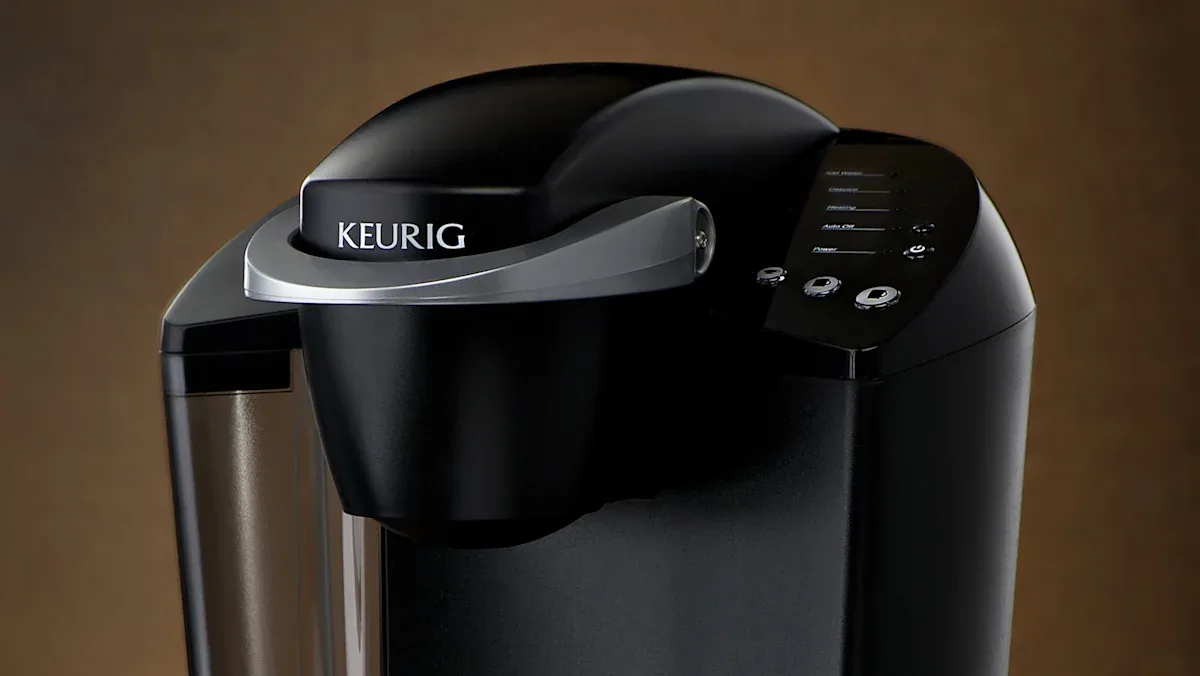
A surprising finding from a home network audit in the United States has sparked global concern: an internet-connected Keurig coffee maker was reported to have consumed 1,008 gigabytes (GB) of data in just ten days. The staggering figure was first shared on the Reddit forum r/mildlyinfuriating and immediately became a hot topic of discussion about the security and usefulness of smart home devices.
According to the post, the homeowner discovered unusual data usage from their coffee maker. Some netizens suspected the device had been hacked and had become part of a botnet—a network of computers controlled by attackers to carry out illegal activities such as DDoS attacks or crypto mining. "Probably part of a botnet, it often happens to dumb 'smart' devices due to a lack of adequate protection," wrote one commenter. Another commenter added, "I can't imagine what task could use that much data, unless there's a serious glitch that keeps re-downloading the firmware."
However, others offered a simpler explanation: the data traffic did not leave the local network, so it was most likely just a device glitch. "They clarified in the Twitter thread that the traffic didn't leave the local network—it must be a glitch," said one user. Regardless of the cause, the incident highlights the vulnerability of IoT (Internet of Things) devices in homes, which are often designed with connectivity features without fully considering security aspects.
This phenomenon is not an isolated case. Previously, smart refrigerator owners complained that their devices remained connected to the internet long after software support ended, leaving security gaps. Manufacturers of AI-powered washing machines also drew criticism for allegedly forcing consumers to buy unnecessary features. For many people, home devices have now become a new source of stress: do they really help, or do they just add risk and confusion?
"Someone once said, when shopping for new appliances, look for the ones that have a built-in app, and don't buy that one," said one commenter, summarizing the skeptical attitude toward smart devices.
In Indonesia, the smart home trend is beginning to reach the urban middle class. Various devices such as lights, security cameras, and even coffee makers with Wi-Fi connectivity are increasingly easy to find on the market. Unfortunately, digital security literacy remains a challenge. Many users do not change default passwords, rarely update firmware, and do not monitor home data traffic. As a result, these devices can become an entry point for hackers to attack private networks or even broader infrastructure.
Cybersecurity experts recommend that consumers conduct regular network audits, separate IoT devices onto a separate network, and turn off unnecessary connectivity. "If a device doesn't really need the internet for its main function, it's better not to connect it at all," said one analyst. The Indonesian government, through BSSN, also continues to campaign for the importance of home cybersecurity, although specific regulations regarding IoT device security standards are still in the development stage.
Going forward, manufacturers are being urged to be more transparent about the data they collect and to give users greater control. Meanwhile, consumers need to be more critical before buying smart devices. Are we ready to accept the risks that come with convenience? This question will become increasingly relevant as daily life becomes more connected.