Strongest El Niño on Record Threatens California: Floods, Fires, and Extreme Storms at Once
Baca dalam 60 detik
- NOAA memperkirakan peluang lebih dari 90 persen El Niño kali ini masuk kategori 'sangat kuat', dengan sekitar 75 persen kemungkinan menjadi yang terkuat dalam sejarah pencatatan.
- Pemerintah California menetapkan status darurat sejak 21 September, tetapi pemangkasan anggaran federal telah melemahkan kapasitas NOAA dan FEMA dalam merespons bencana.
- Risiko yang dihadapi tidak tunggal: banjir pesisir, gelombang panas, kebakaran hutan, dan aliran puing di bekas area terbakar dapat terjadi dalam waktu bersamaan.
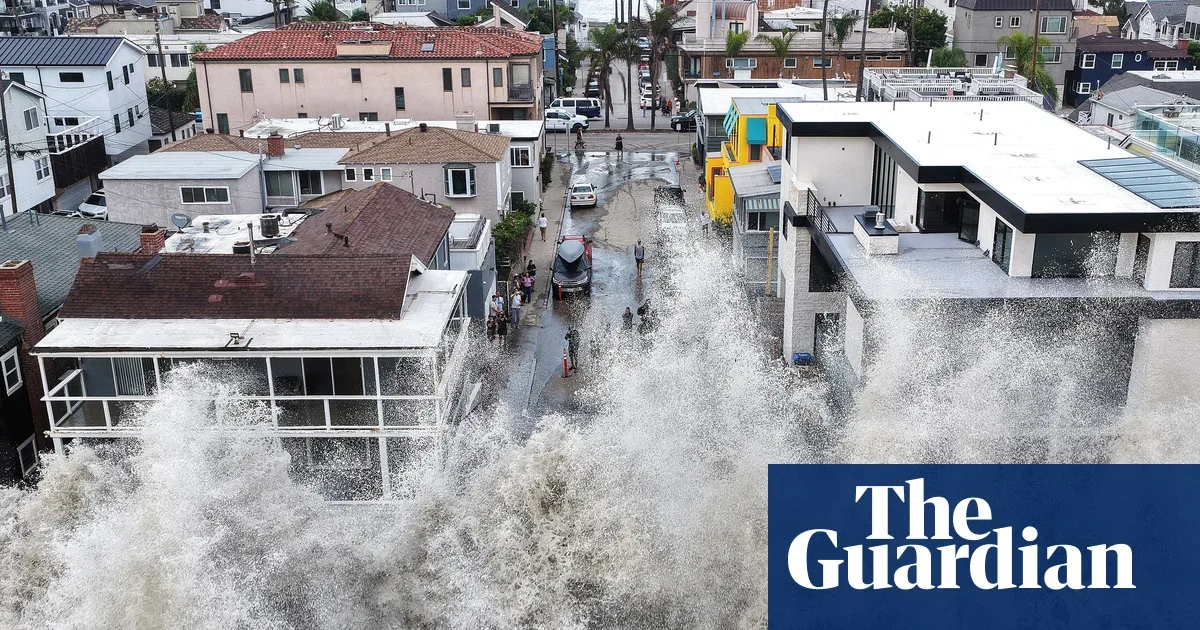
The United States National Weather Service (NWS) issued a coastal flood warning in September for the San Francisco Bay area for the first time in history. In the past month, similar warnings had to be issued twice. The phenomenon is an early signal that California is bracing for a far more dangerous winter than usual.
The trigger is El Niño, which continues to strengthen and is predicted to be the strongest in modern records. According to the latest projection from the National Oceanic and Atmospheric Administration (NOAA), the chance of this El Niño falling into the "very strong" category exceeds 90 percent, while the likelihood of it becoming a historic event reaches about 75 percent. That means the state is not facing just one type of threat, but a combination of major storms, landslides, destructive high waves, and a fire risk that has not yet subsided.
What makes this situation different from an ordinary winter is the layered nature of the danger. In some areas, extreme rainfall and flash floods are expected to arrive at the same time as a heatwave that continues into November. The director of the Los Angeles Emergency Management Office, Kevin McGowan, warned that the public should not prepare for just one type of disaster. "We are in the middle of fire season and about to enter a significant heatwave," he said, stressing the need for preparedness against all types of threats.
Burn scars are the most vulnerable spots. The Big Sur slopes that burned this summer and the neighborhoods destroyed by the 2025 Los Angeles firestorm face a high risk of debris flow. Local officials say it takes about five years for watersheds and hillsides to recover enough to withstand heavy rain. During that period, intense rain can easily loosen soil and trigger secondary disasters.
"Agencies like NOAA and FEMA are already stretched thin because we keep seeing extreme weather more and more often. I worry about loss of life and our inability to be protected at the moment we most need the government. If this is a real test, we will fail." — Monica Medina, former Deputy Administrator of NOAA
Medina's concern is not unfounded. The Trump administration reportedly cut budgets and carried out mass layoffs at frontline agencies, including FEMA, which is tasked with coordinating the national disaster response, and NOAA, long regarded as a global center of excellence in climate science. As a result, the United States is entering a high-risk winter with weaker response capacity than in previous years.
At the local level, preparations are underway. In Long Beach, the seawall is being reinforced with large sandbags at points hit by waves. In Orange County, hundreds of thousands of cubic meters of sand have been pushed along the coastline. Officials in San Diego are going door to door in flood zones to help small businesses prepare their buildings. However, the director of the Los Angeles County Department of Public Works, Mark Pestrella, warned that the existing flood control system is designed only to withstand a "100-year event" — an occurrence with a 1 percent chance per year. El Niño can significantly increase that chance.
The impact of El Niño does not stop at California. Marine heatwaves in the Pacific have triggered an unusual tropical cyclone season in areas that rarely experience them. Hawaii is still recovering after major floods, landslides, and strong winds that toppled trees and damaged buildings. Parts of the Southern California coastline have also been hit by giant waves that damaged homes and eroded beaches.
On a global scale, a strong El Niño could push world food prices up and increase the risk of food insecurity for tens of millions of people. Climate scientists estimate that more than 450,000 people worldwide could die from temperature spikes linked to El Niño through next February, not including casualties from floods, droughts, and wildfires.
For Indonesia, this historic El Niño also carries direct implications. The country has repeatedly experienced long dry seasons, crop failures, and peatland fires in previous strong El Niño years. With limited fiscal capacity and uneven mitigation infrastructure, Indonesia faces a similar challenge: strengthening disaster preparedness amid growing climate uncertainty.
The question is no longer whether El Niño will come, but how ready California — and the world — is for a winter that combines floods, fires, and extreme storms at the same time. If response agencies continue to be weakened just as the threat peaks, the price to be paid will not only be economic losses, but human lives.