Amazon Releases 'About You' AI Profile, Users Left Stunned by the Results
Baca dalam 60 detik
- Amazon memperkenalkan fitur About You, halaman berbasis kecerdasan buatan yang menyusun profil belanja pengguna dari riwayat transaksi, percakapan Alexa, ulasan, dan pencarian.
- Fitur ini memicu gelombang reaksi di media sosial karena sebagian asumsinya dinilai terlalu blak-blakan, tidak akurat, atau justru tepat sasaran.
- Pengguna tidak bisa menonaktifkan About You, tetapi dapat menghapus atau memperbarui item rekomendasi yang muncul.
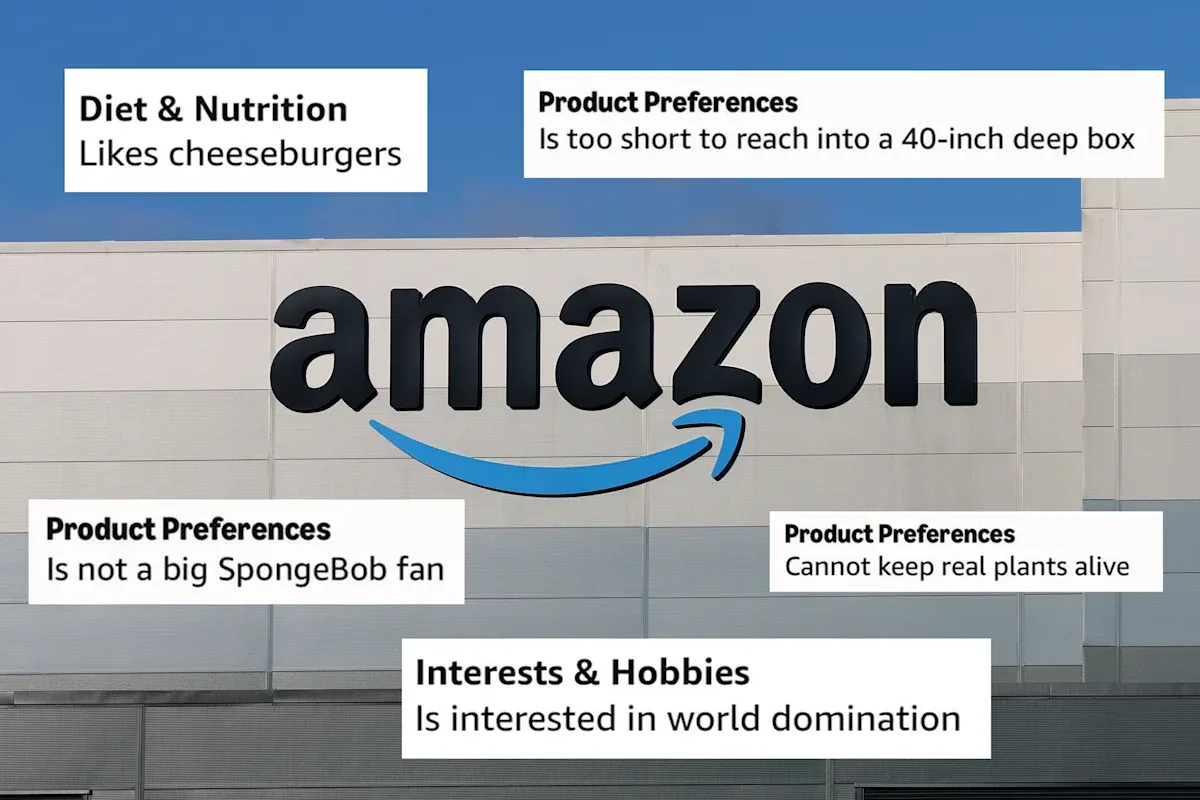
Amazon is back in the spotlight after an artificial intelligence-powered feature called About You displayed users' shopping profiles openly. The page presents assumptions and recommendations generated from customers' personal data, and some users feel the results are too honest—even offensive.
The feature was first introduced in May 2026 as a dedicated page on members' accounts showing shopping recommendations by category. The AI engine behind it analyzes purchase history, shopping conversations through Alexa, product reviews users have written, saved lists, and search keywords. According to Amazon's official statement, a deep understanding of customer preferences is key to serving relevant, high-quality recommendations.
But what was originally designed as a personalization tool has instead become entertainment fodder on social media. This week, a Threads user shared a screenshot of their About You profile with a caption saying they "couldn't say anything" after reading Amazon's assumptions about them. The post has been viewed more than 1.6 million times, mainly because of one particularly blunt assessment—that they have a "flat butt".
Similar reactions came from a number of other users who checked their own pages. Some admitted Amazon's assumptions described their habits too accurately, some laughed at their seemingly boring profiles, and quite a few judged that Amazon had misread the data. One Reddit user wrote that the feature said they "have a baby", even though they have no children. Another user complained about being labeled merely as a fan of athletic socks. One person got an unexpected "mirror": the system detected that they were "systematically expanding a tool collection", which they admitted was true.
"This Amazon is like my in-law of 30 years, but all they know is that I like cats," wrote one X user, comparing the feature to a relative who doesn't really understand them.
As of this report, Amazon chose not to comment on the wave of social media reactions. Nevertheless, the About You feature remains active and cannot be turned off by users. The only control available is the option to delete or update specific recommendation items by clicking on them.
The arrival of About You adds to a long list of debates about how far technology companies may process personal data for commercial purposes. On one hand, precise recommendations improve the shopping experience. On the other, when algorithms draw conclusions that feel invasive or wrong, user trust can erode. This case also shows that data transparency—revealing what the system "knows" about us—can be a double-edged sword.
For consumers in Indonesia, this development is relevant given the growing number of e-commerce platforms and digital services that rely on AI for personalization. Awareness of personal data rights, including the ability to correct algorithm-generated profiles, is becoming increasingly important. Existing data protection regulations need to ensure that users have adequate control, not merely the option to delete items one by one.
Going forward, the question is no longer whether AI will keep reading our shopping behavior, but how much control users are given to shape—or reject—the digital image built in their name. If Amazon and other companies do not soon improve their correction and transparency mechanisms, waves of criticism like this could set a bad precedent for the broad adoption of consumer AI.