Expert: After Constitutional Court Ruling, Accountability for Gibran's Diploma Must Be Comprehensive
Baca dalam 60 detik
- Mahkamah Konstitusi menyatakan permohonan sengketa syarat pendidikan Gibran Rakabuming Raka tidak dapat diterima, namun dalam pertimbangannya menegaskan tak ada bukti ijazah setingkat SMA.
- Pakar politik Iqbal Themi menilai fokus publik kini bergeser dari keaslian dokumen ke akuntabilitas seluruh rantai verifikasi pencalonan wakil presiden.
- Transparansi dokumen penyetaraan dan proses verifikasi dinilai menjadi kunci untuk menghentikan spekulasi serta menjaga kepercayaan publik terhadap penyelenggaraan pemilu.
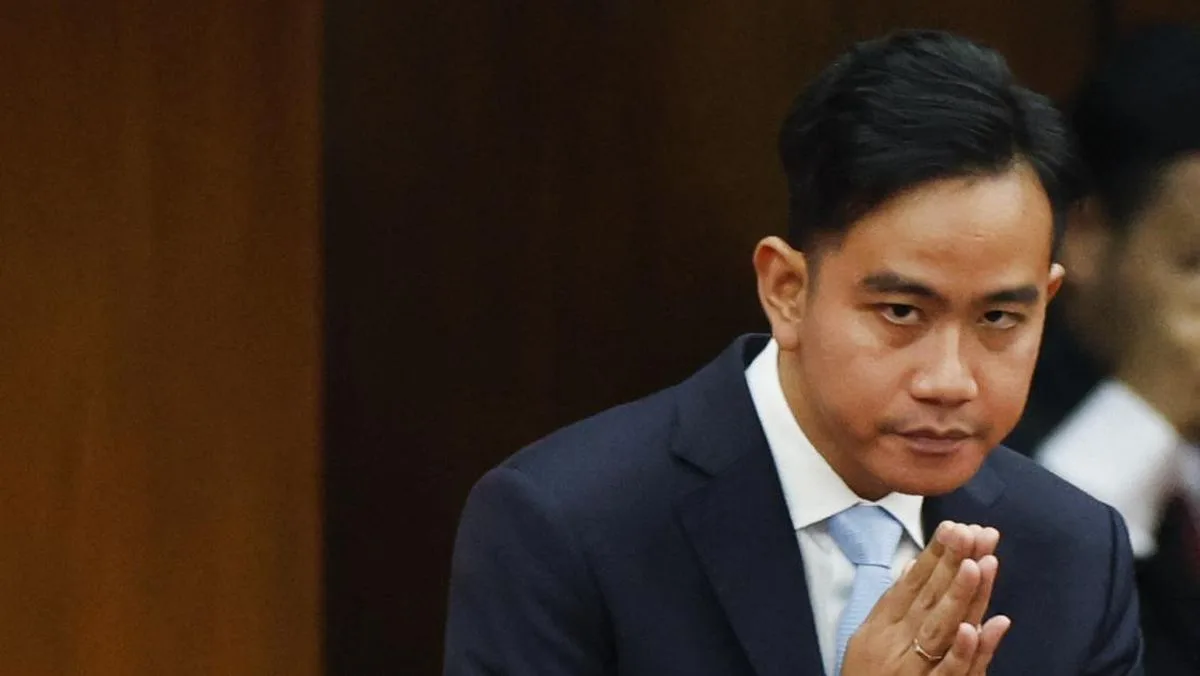
The Constitutional Court (MK) ruled that the petition challenging the validity of the educational requirement of Vice President Gibran Rakabuming Raka in the 2024 Presidential Election was inadmissible. However, in its considerations, the MK stated it did not find convincing evidence that Gibran holds a diploma at the Senior High School (SMA) level or equivalent. The ruling was read out in the hearing of case number 01/PHPU.PRES-XXIV/2026 in the MK plenary courtroom, Jakarta, Tuesday (6/10) evening, and immediately drew reactions from political observers.
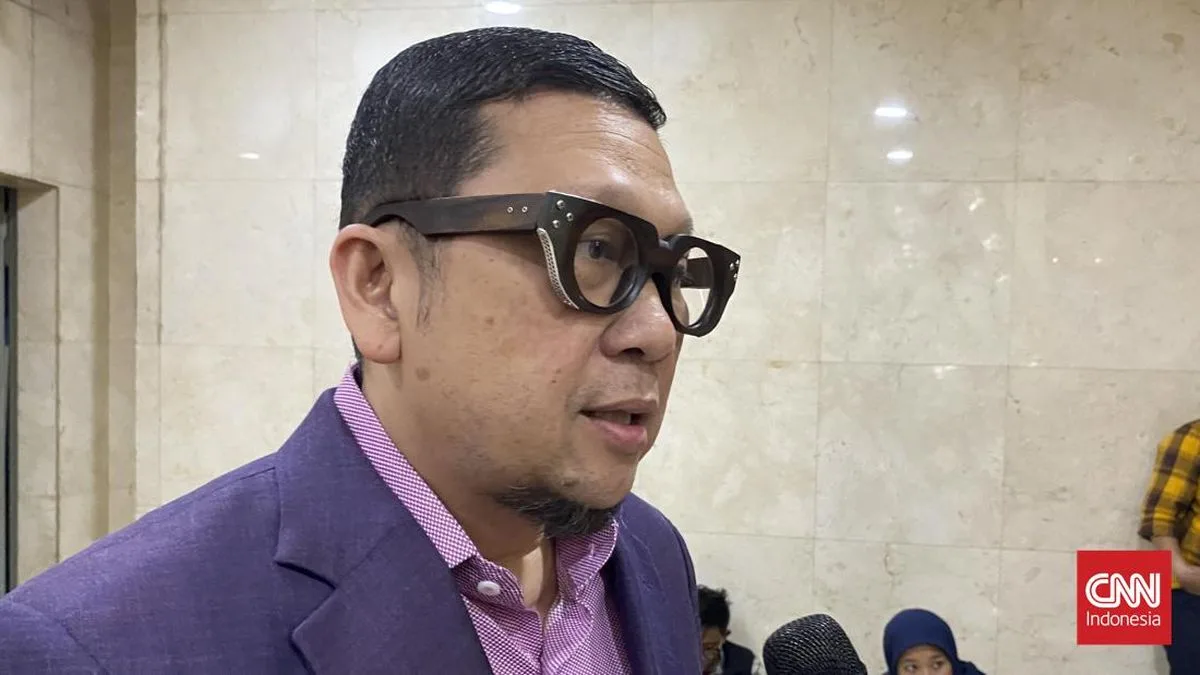
Political expert and Director of SCL Taktika Konsultan, Iqbal Themi, assessed that the issue that emerged after the ruling is no longer merely a debate over the authenticity or falsity of documents. According to him, the far more fundamental question is how the educational requirement for a vice-presidential candidate was verified in the 2024 Election. "After the MK ruling, this issue is no longer solely about whether Gibran's diploma is genuine or fake. The more politically important question is, if educational documents are a requirement for candidacy, who is actually responsible for ensuring that requirement is met?" Iqbal said in his statement, Wednesday (7/10).
Iqbal stressed that the MK's statement that it did not find a document at the SMA level means the public has the right to question the verification process that took place from the outset. He assessed that this issue should not be borne by Gibran personally alone. The institutions involved in educational equivalency, verification of candidacy requirements, and election oversight also need to openly explain their respective roles. "Because this concerns a vice-presidential candidate, the verification standard should be very strict. If questions now arise over the underlying document, the entire verification chain needs to be explained to the public," he asserted.
Previously, during the hearing, former Deputy Minister of Law and Human Rights Denny Indrayana explained that Gibran's candidacy requirement document was only an equivalency certificate issued by the Ministry of Education. That letter, according to Denny, did not contain a statement that the person concerned had graduated from the school. He said the letter stated that Gibran undertook studies at UTS Insearch, Sydney, Australia, and that the education was equivalent to Grade 12 or grade 12 of SMA and equivalent to SMK with an Accounting specialization.
The case was petitioned by a number of parties, including the Independent Election Monitoring Committee (KIPP), Partai Ummat, Denny Indrayana, six citizens grouped in the Forum Purnawirawan Prajurit TNI, M Subhan, Bonatua Silalahi, and Tiurma MS Sihombing. MK Chief Justice Suhartoyo stated in the hearing, "In the substance of the petition, [the Court] declares the petitioners' petition inadmissible."
Iqbal assessed that transparency is key to maintaining the credibility of the system and public trust in the conduct of elections. According to him, the best way to stop speculation is not through a war of opinions, but by opening the documents used and explaining the equivalency and verification process. "So that the public can assess whether the problem lies in the document, the procedure, the regulation, or whether there is indeed a weakness in the verification process," Iqbal said.
"The best way to stop speculation is not with a war of opinions, but with transparency. Open the documents used, explain the equivalency and verification process." — Iqbal Themi
Furthermore, Iqbal highlighted that this MK ruling leaves a large homework assignment for election organizing institutions and the government. He assessed that verification of vice-presidential candidate requirements should involve strict standards, given that the position is a national-level public office. If the underlying document alone still raises questions, then the entire existing mechanism needs to be evaluated, not just directed at one individual.
This case is also a test for the KPU and the Ministry of Education to explain in detail how an equivalency certificate can be accepted as fulfillment of the educational requirement. The public awaits an official explanation regarding the legal basis and procedures used, including whether there were additional verification mechanisms that should have been carried out. Without that explanation, political speculation is expected to continue to grow and potentially erode trust in the election process.
Going forward, pressure for transparency is expected not to subside. The question is, will the relevant institutions open all documents and the verification process, or instead let this issue become a prolonged political burden ahead of the next election cycle?