Legislative and Judicial Complex at IKN Reaches 16 Percent, Completion Targeted for 2028
Baca dalam 60 detik
- Pemerintah mencatat pembangunan Kompleks Legislatif dan Yudikatif di Ibu Kota Nusantara baru mencapai 16 persen per Oktober 2026.
- Kompleks berkapasitas 1.579 orang ini dirancang menampung gedung parlemen dan lembaga peradilan, menjadi penanda perpindahan pusat kekuasaan.
- Target penyelesaian 2028 menjadi ujian kredibilitas janji pemerintah, sementara investor dan ASN menanti kepastian ekosistem pendukung.
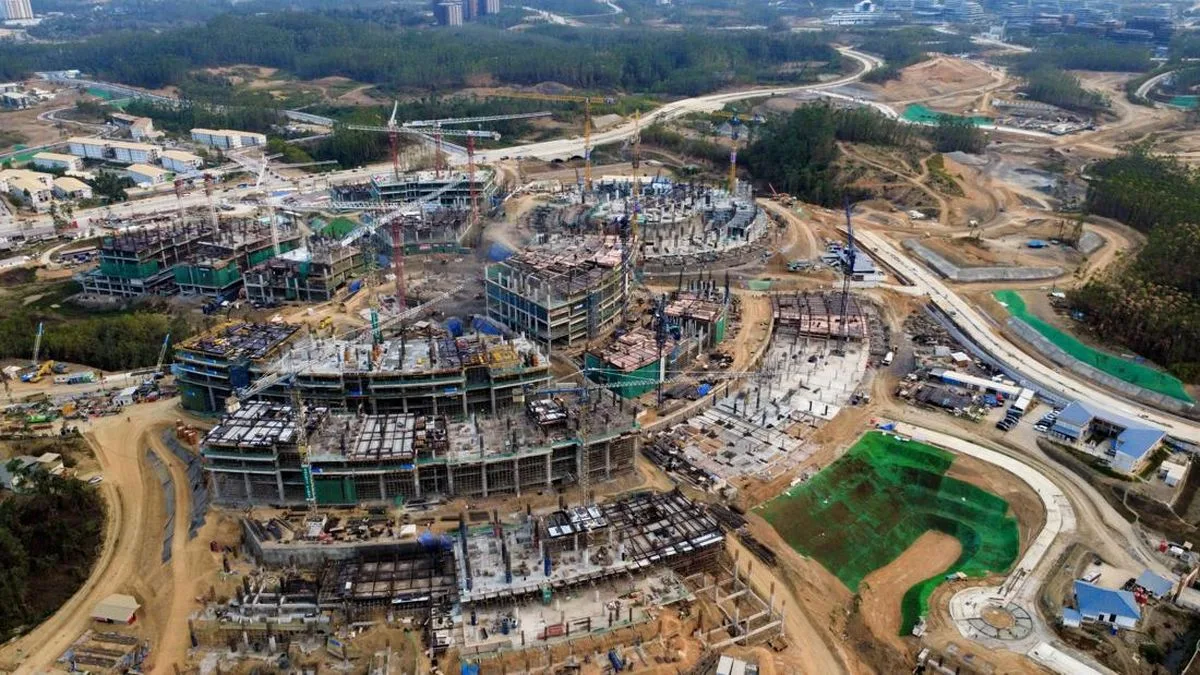
The government has confirmed that construction of the Legislative and Judicial Complex in the Nusantara Capital City (IKN), East Kalimantan, has reached only 16 percent. Completion is targeted for 2028, leaving about two years to catch up on the far larger remaining construction work.
The figure emerged from a visual report published on Wednesday (7/10/2026), showing a stretch of land in Penajam Paser Utara still dominated by basic structures. The complex is projected to accommodate 1,579 people and includes buildings for legislative and judicial functions — two branches of power that have so far been centralized in Jakarta.
Against the 2028 deadline, the current pace of construction demands significant acceleration. After all, 16 percent in the fourth year since ground breaking shows that the main structural work has not yet entered its final phase. The government has not detailed whether the target remains realistic or will be revised, as has often happened with previous IKN flagship projects.
The Legislative and Judicial Complex is not merely a physical project. Its presence is a prerequisite for moving the functions of parliament and the Supreme Court to IKN, which has been the main indicator of the government's seriousness in relocating the center of government. Without these buildings, IKN will function only as an administrative area without full legitimacy of power.
On the budget side, construction of the core government area absorbs a large share of IKN infrastructure spending. However, several economists warn that accelerating construction risks burdening the state budget amid other fiscal needs. Conversely, delays could send a negative signal to markets and investors that have already put capital into the supporting areas.
"The 16 percent progress shows there is still a long way to go. The question is not only physical, but the readiness of the legal, administrative, and human resource ecosystem to support the relocation of state institutions," said an urban planning observer who declined to be named.
For the wider public, the project's direct impact is felt in construction jobs and regional economic growth in East Kalimantan. However, the long-term benefits will only materialize if the complex is actually put to use, rather than becoming a grand building without occupants. The experience of several previous IKN projects shows the risk of construction that is not followed by operational readiness.
The government has room to accelerate through creative funding schemes or private sector involvement. But that option demands transparency and regulatory certainty. Without it, the 2028 target could become a political promise that is pushed back again, as has happened with several previous deadlines.
Going forward, the public will await more detailed periodic progress reports — not just percentages, but also work stages, budget absorption, and operational schedules. The question is simple: will 2028 truly mark the end of the wait, or just a new chapter of delay?