Jaguar Launches Electric Type 01 at Rp2.1 Billion, Two Years After Controversial Rebranding
Baca dalam 60 detik
- Jaguar resmi memperkenalkan Type 01, mobil listrik pertama mereka setelah transformasi merek pada 2024, dengan harga mulai sekitar $130.500 di AS dan £130.000 di Inggris.
- Mobil ini menawarkan jarak tempuh hingga 450 mil dan akselerasi 0-62 mph dalam 3,2 detik, menandai ambisi Jaguar bersaing di segmen mewah listrik melawan Ferrari dan Bentley.
- Peluncuran ini terjadi saat Jaguar Land Rover masih dalam pemulihan pasca-serangan siber dan pemangkasan 4.000 tenaga kerja, menimbulkan pertanyaan tentang kesiapan operasional dan penerimaan pasar.
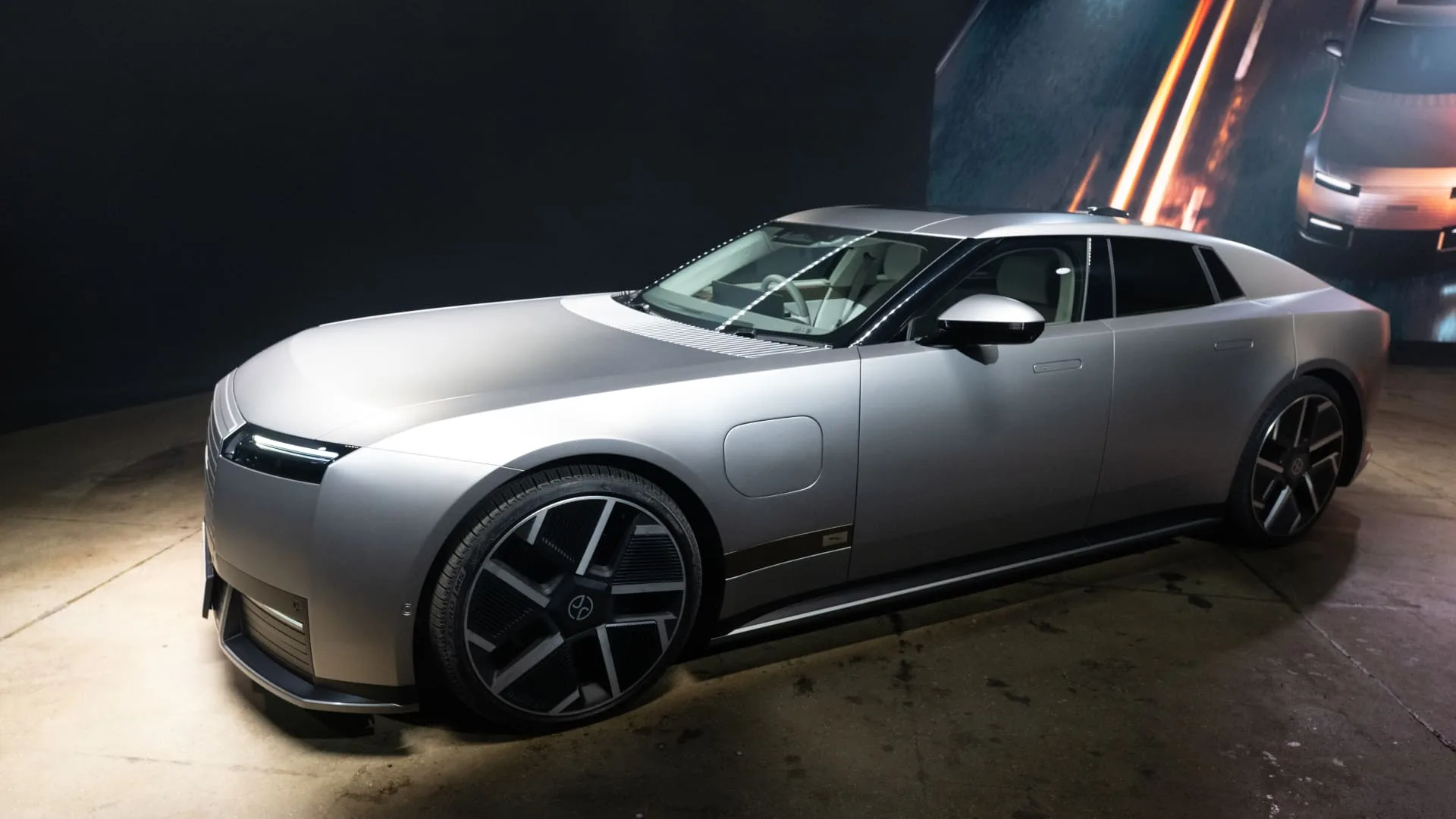
Jaguar has officially entered a new chapter with the launch of the Type 01, its first electric vehicle after two years of a brand transformation that once drew controversy. The launch took place in New York City on Tuesday (6/10/2026), marking a bold move by the British company owned by India's Tata Motors to compete in the electric luxury car market.
The Type 01 is positioned as a four-door "Grand Tourer" with a starting price of around $130,500 in the United States and £130,000 (about $172,000) in the UK. That figure is far higher than previous Jaguar models, underscoring the company's strategy to move up into the ultra-premium segment. The car is claimed to be the most advanced, most powerful, and most aerodynamic Jaguar ever produced.
Technically, the Type 01 offers a range of up to 450 miles (about 724 km) and can accelerate from 0-62 mph in 3.2 seconds. Its design features an ultra-long hood, a low roofline, frameless doors, and a camera in place of a rear window. This combination not only highlights performance but also serves as a design statement that sets it apart from competitors.
The launch is a crucial moment for Jaguar, which in November 2024 came under sharp criticism on social media. At the time, the company released a 30-second ad featuring models in colorful clothing and slogans such as "live vivid" and "delete ordinary", without showing a single car or Jaguar's iconic cat logo. Elon Musk, owner of platform X, even weighed in with a sarcastic question, "Do you sell cars?" Jaguar defended itself at the time, saying it wanted to appear "bold and disruptive".
Now, two years later, Jaguar is trying to prove that the transformation was not merely a marketing gimmick. The Type 01 is concrete evidence of the company's new direction. However, the move is not without challenges. Jaguar Land Rover (JLR) is still recovering from a cyber attack that forced a production halt last year, and only a month ago announced 4,000 job cuts as part of a massive efficiency program.
"The combination of British heritage, bold creativity, advanced technology, and breakthrough engineering reflects our ambition to create an object of desire that will invite a new generation of clients into Jaguar's loyal and passionate customer base," JLR CEO PB Balaji said in a statement.
Jaguar's move aligns with the global luxury industry trend. Ferrari and Bentley have also launched their first electric models this year, testing wealthy consumers' appetite for electric vehicles. Competition is intensifying with Chinese brands offering high-tech EVs at more competitive prices. Jaguar, with its very high selling price, appears to be betting on exclusivity and brand heritage to win over consumers.
For Indonesia, the Type 01 launch may not have a direct impact on the national automotive market, given that the ultra-luxury EV segment remains very niche. However, Jaguar's move could signal to other luxury carmakers that electrification in the upper segment is increasingly unavoidable. The Indonesian government, which is pushing the development of an EV ecosystem, could also see this as validation that the energy transition is happening not only in the mass segment but also at the premium layer. If global luxury brands become more aggressive, it is not impossible that Indonesia becomes their next expansion destination, especially with incentives that continue to be rolled out.
Going forward, the big question is whether the market is ready to accept Jaguar as a luxury EV player with a sky-high price, amid global economic uncertainty and JLR's internal recovery. The success of the Type 01 will be measured not only by its specifications but also by Jaguar's ability to convince its loyal customers that this radical transformation is worth it. If it fails, this bold move could well backfire.