Blue Planet III Launches, Attenborough Returns at 100
Baca dalam 60 detik
- David Attenborough kembali menjadi narator Blue Planet III, 25 tahun setelah seri pertama tayang di BBC.
- Peluncuran global digelar di Piccadilly Lights London dengan visualisasi laut raksasa, didukung skor Hans Zimmer dan lagu Jade.
- Seri ini tayang di BBC One dan iPlayer musim gugur ini, berpotensi memperkuat kesadaran konservasi laut di pasar internasional termasuk Indonesia.
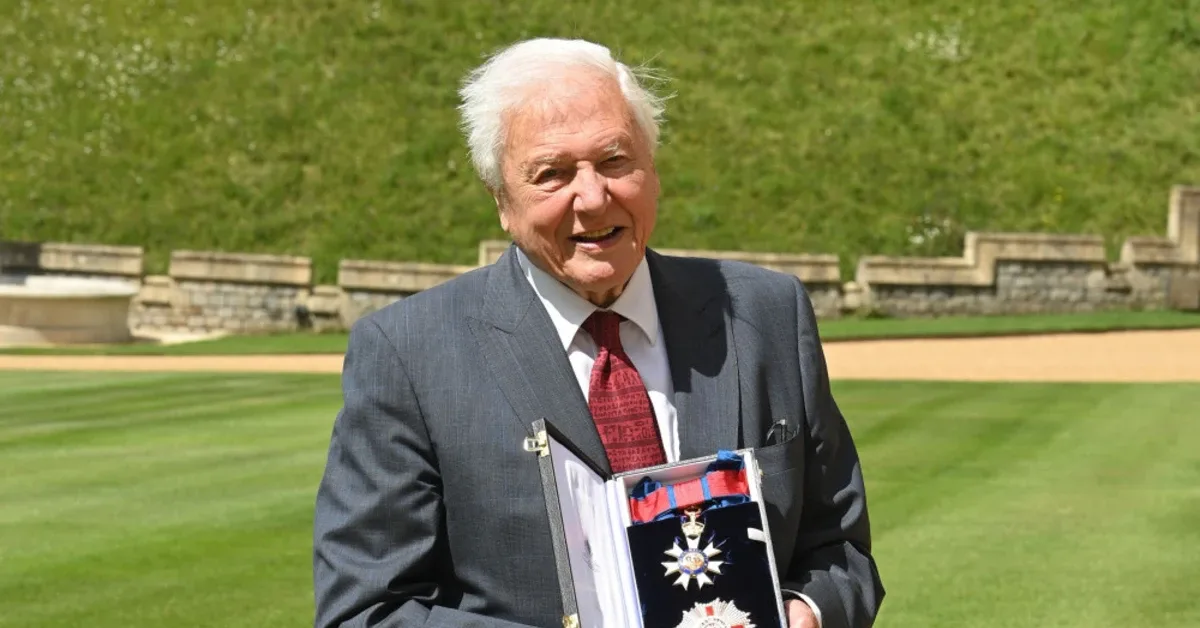
Sir David Attenborough has announced his return as narrator of Blue Planet III, two and a half decades after the marine documentary series first aired on the BBC. The man, now 100 years old, delivered the news through a special video message at a global launch event in London on Tuesday (6/10/2026).
Attenborough's return is not merely nostalgia. Blue Planet stands as one of the most influential natural history documentary legacies in television history, and his presence in the third series affirms that the BBC still relies on this iconic figure to draw attention across generations. In his message, Attenborough said he never imagined he would still be narrating at the age of a century. He called the ocean a place that never runs out of allure, and promised a presentation of underwater life more surprising and more complex than what has been understood so far.
The global launch at Piccadilly Lights became a stage of its own. The iconic screen in the heart of London was transformed into an underwater window, showing a giant whale leaping above the city skyline, sea creatures from the depths, and a range of underwater scenes. BBC Studios described the stunt as a celebration of world-class British creativity capable of stopping people in the street and bringing together audiences of all ages.
On the production side, Blue Planet III brings in legendary composer Hans Zimmer through Bleeding Fingers Music. Former Little Mix member Jade was also entrusted with performing an original song titled "Into The Deep (Seas Cry)", written specifically for the series. Such a collaboration shows that the BBC is not only selling nature content, but also building an audiovisual experience that moves viewers emotionally.
"For a quarter of a century, the Blue Planet series has helped people around the world see the ocean in a new way. Blue Planet III is the next chapter," said Zai Bennett, CEO and Chief Creative Officer of BBC Studios Global Content.
Bennett added that the series was born from the work of the BBC's Natural History Unit, guided once again by Attenborough's storytelling ability. According to him, Blue Planet III will reveal wonders rarely imagined and deepen human understanding of the world we share.
For Indonesia, the resonance of Blue Planet III is not a distant matter. As a country with the second-longest coastline in the world and a center of marine biodiversity in the Coral Triangle, Indonesia is often a favorite location for international natural history documentary productions. The success of this series could boost interest in marine tourism, ocean research, and public awareness of conservation issues. However, without serious management, the global spotlight could instead open eyes to coral reef damage, plastic pollution, and destructive fishing practices.
Blue Planet III will air on BBC One and iPlayer this autumn. The question is whether this documentary will only be a stunning spectacle, or whether it can push for marine policies more aligned with sustainability, including in Indonesian waters.