4 Indonesian Nationals Held by Somali Pirates Arrive Home, One Shot and Wounded
Baca dalam 60 detik
- Empat WNI kru MT Honour yang disandera bajak laut Somalia selama lima bulan lebih akhirnya tiba di Bandara Soekarno-Hatta, Selasa malam.
- Pemerintah menegosiasikan pembebasan secara tertutup untuk menghindari tekanan dari kelompok pembajak terhadap para sandera.
- Kapten Ashari Samadikun menyampaikan permohonan maaf karena lima awak kapal lainnya tidak selamat dalam insiden tersebut.
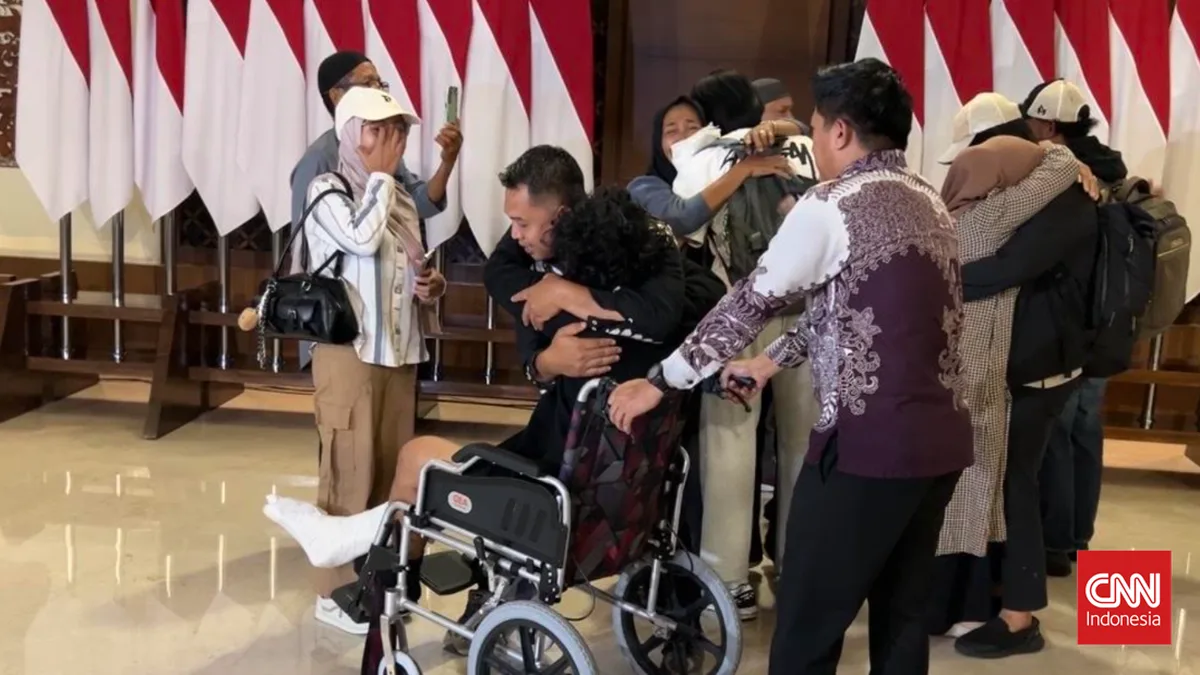
Four Indonesian citizens who were held hostage by Somali pirates finally arrived in Indonesia via the VIP Terminal of Soekarno-Hatta International Airport on Tuesday (6/10) evening. The four were crew members of the vessel MT Honour, held captive for roughly five months and ten days. Their arrival was met with sobs from family members, and the mother of Captain Ashari Samadikun was reported to have fainted while welcoming her son.
Coordinating Minister for Human Development and Cultural Affairs Sugiono expressed gratitude for their release. According to him, Captain Ashari Samadikun (34), Wahudinanto (48), Adi Faizal (27), and Fiki (25) had gone through a long journey before they could return to their families. The government promised to provide health care, especially for Fiki Mutakin, who sustained a gunshot wound.
Foreign Minister Arrmanantha C. Nasir revealed that the release negotiation process was conducted behind closed doors and involved coordination with several countries of origin of the crew, including the Government of Somalia. Secrecy was tightly maintained so that the pirates could not use it to pressure Indonesia's position. "From the start we were not open to the media about how this process went, because the negotiation, diplomacy process should not be used by the pirates to pressure us," Arrmanantha said.
This incident again highlights the risks faced by Indonesian sailors on international shipping routes, particularly in Somali waters, which are known to be prone to piracy. Although the frequency of attacks has declined in recent years, the area remains a hot spot for commercial vessels. The Indonesian government is seen as needing to strengthen protection for crews of foreign-flagged ships that employ many Indonesian nationals, including through bilateral agreements with ship-owning countries.
As captain, I apologize profusely to the families of my five crew members who died. I could not keep my promise to bring all the crew home safely.
Captain Ashari specifically thanked the Indonesian government for the rescue efforts. However, he also apologized because five other crew members did not survive. That statement underscores that the release operation did not go entirely smoothly, and that there were still lives lost that families had to bear.
Going forward, this case is a test for Indonesia's diplomacy in protecting its citizens, especially in high-risk situations such as hostage-taking at sea. The government is expected to focus not only on evacuation, but also on prevention through maritime security cooperation and capacity building for crew members. The question is, will Indonesia push for a more binding protection mechanism for its sailors on piracy-prone routes?