Aaron Sorkin: The Social Network Was Meant as a Warning, but Young People Saw It as Inspiration
Baca dalam 60 detik
- Aaron Sorkin mengungkap bahwa The Social Network tidak diterima sesuai harapannya, dengan respons terbelah berdasarkan generasi.
- Sekuel The Social Reckoning akan menyoroti kebocoran data Facebook 2021 dan pergeseran peran Zuckerberg menjadi tokoh pendukung.
- Sorkin menolak label villain untuk Zuckerberg, menyebutnya sebagai antihero yang niat awalnya baik namun keputusannya merugikan.
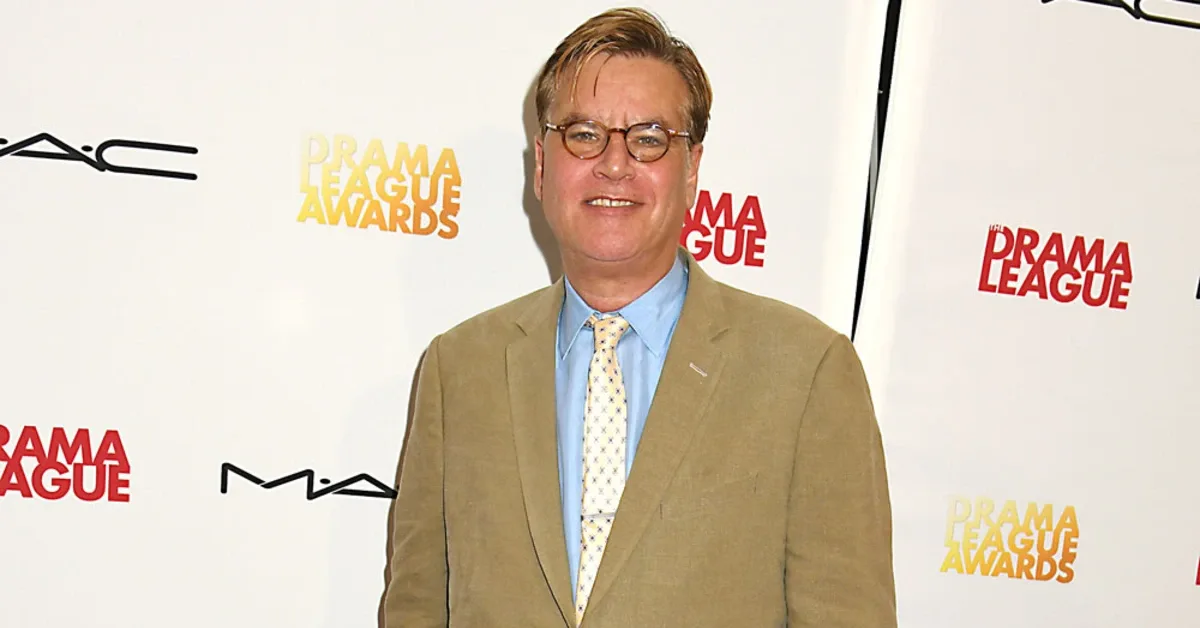
Screenwriter Aaron Sorkin admits that The Social Network (2010) did not fully achieve the effect he intended. In an interview with The Hollywood Reporter, Sorkin revealed that audiences split into two camps by age: older generations took it as a warning, while younger generations instead saw it as an inspirational story about becoming a billionaire.
This difference in interpretation mirrors how the narrative about Silicon Valley can shift from critique to glorification. Sorkin, who wrote the film's screenplay, feels that the moral message he built was distorted by the fervent entrepreneurial spirit among young people. "If you're a little older, you see it as a warning, which is what it was meant to be. If you're a little younger, shockingly, you see it as an inspirational story. 'Oh wow, I can drop out of school, have an idea, and become a billionaire,'" he said, imitating the reaction of the younger generation.
Now, Sorkin is preparing a standalone sequel titled The Social Reckoning, which will address the 2021 Facebook data leak by whistleblower Frances Haugen and journalist Jeff Horwitz. In this film, Mark Zuckerberg is no longer the main character but a supporting one. Sorkin highlights the company's transformation: from a social media platform connecting school friends into a trillion-dollar giant with three billion users, now driven by the newsfeed algorithm. "You get different news than I do, than he does, than they do. We're all living in our own worlds," he said.
Sorkin also rejects the view that labels Zuckerberg a "villain." He explains, "He made bad decisions that hurt us. But in dramatic terms, he's not a villain. He's an antihero. Villains have bad intentions. They want money, revenge. An antihero has good intentions: 'I want to connect everyone in the world.' But the way the antihero does it, the decisions he ends up making, that's bad."
"Aaron is always examining the fault lines in our society, and I've interrogated those things, but he's a writer the way Mozart was a composer. He's that good." — Jeremy Strong
Jeremy Strong, who plays Zuckerberg in The Social Reckoning, revealed his approach. He said he tried to be accurate and honest, and did not want to pass judgment. "I'm not interested in making judgments," he said. Strong praised Sorkin as a writer who always highlights social fissures, and he feels responsible for portraying Zuckerberg in a human way.
For Indonesia, this film could serve as a mirror of how large digital platforms influence the information landscape. The newsfeed algorithm Sorkin mentions also operates in Indonesia, shaping opinion polarization and news consumption. Awareness of social media's impact on democracy and mental health is increasingly relevant, especially ahead of an election year. The Social Reckoning is expected not only to entertain but also to spark critical reflection on the power of technology companies.
Will this film change how the public views Zuckerberg and Facebook? Or will it reinforce the existing narrative? Sorkin seems to want to leave an open question, not a simple answer.