BEM UI Member Beaten in Tebet, Polda Metro Jaya Moves Without Official Report
Baca dalam 60 detik
- Hafidz Hernanda, Koordinator Sosial-Politik BEM UI, diduga menjadi korban pengeroyokan di Tebet, Jakarta Selatan, pada Minggu malam (4/10).
- Polda Metro Jaya memastikan penyelidikan berjalan meski belum menerima laporan resmi dari korban maupun pihak universitas.
- UI menyiapkan pendampingan medis, hukum, dan proses pelaporan, sementara publik menanti apakah kasus ini akan terungkap tuntas atau menguap seperti banyak kasus kekerasan jalanan lainnya.
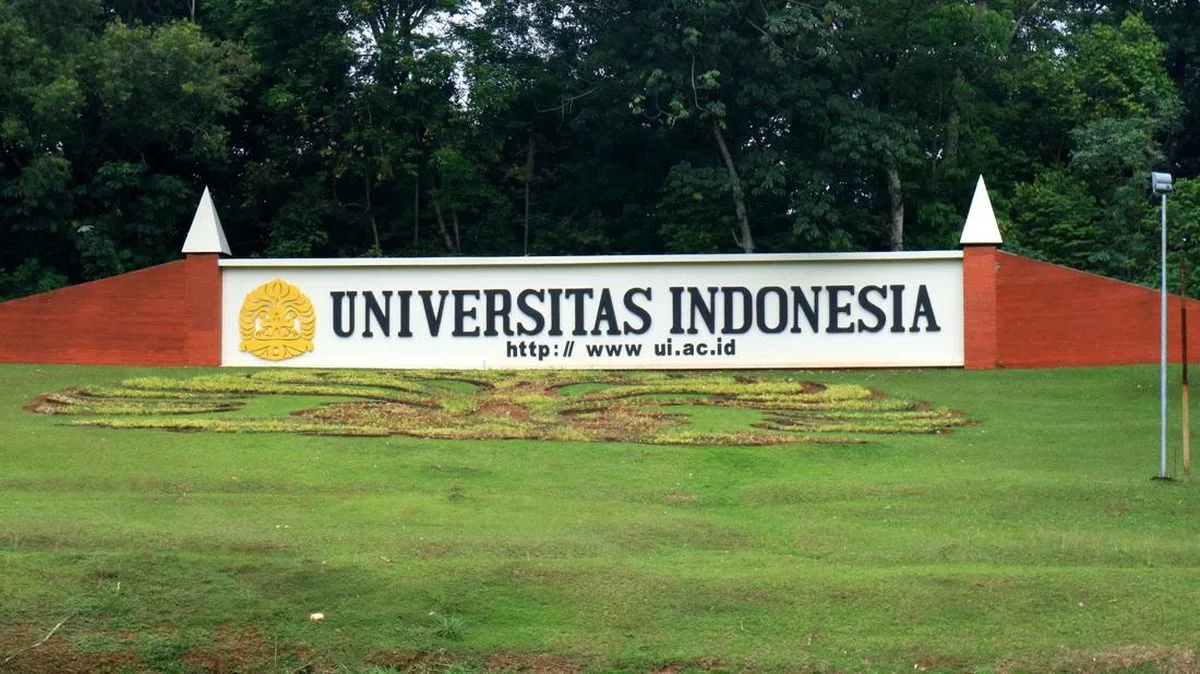
The Social and Political Coordinator of the University of Indonesia Student Executive Board (BEM UI), Hafidz Hernanda, was allegedly the target of a beating by unidentified people in the Tebet area, South Jakarta, on Sunday (4/10) at around 23.50 WIB. The incident came to public attention after spreading widely on social media, raising questions about the safety of student activists in the capital's public spaces.
The Metro Jaya Regional Police said it has taken investigative steps, although no official report has been received so far. The Head of Public Relations of Polda Metro Jaya, Kombes Budi Hermanto, stressed that his side is not waiting for a report to move. According to him, inquiries are still being carried out by collecting evidence to uncover the alleged assault. He also urged the victim or related parties to report immediately so the legal process can proceed faster.
In terms of chronology, circulating information states that Hafidz was subjected to violence after being kicked until he fell off a motorcycle, and was then allegedly punched by the perpetrators. This narrative first emerged through the Instagram account @gerpolek.id, which actively highlights issues of student movements. To date, there has been no official confirmation regarding the identity or motive of the perpetrators.
The University of Indonesia confirmed the incident. The Director of Public Relations, Media, Government and International Affairs of UI, Erwin Agustian Panigoro, said the institution is concerned and stressed that violence against anyone, including students, cannot be justified. UI took an active role by providing assistance in three aspects: treatment through recovery, assistance in the reporting process to the police, and legal consultation to ensure students' rights remain protected.
"UI entrusts the uncovering of the facts of this incident to law enforcement authorities and will continue to oversee the process," Erwin said, hoping the investigation proceeds quickly, professionally, and thoroughly.
This case draws attention not only because it involves a student from a prominent university, but also because of Hafidz's position as social-political coordinator of BEM UI—one of the student organizations that often speaks critically about public policy. In recent years, a number of student activists in Jakarta and other cities have experienced intimidation, both in the form of physical and digital violence. This pattern raises concerns that the space for student expression is narrowing.
From a law enforcement perspective, the absence of an official report can be a double-edged sword. On one hand, the police still have the authority to investigate general crimes. On the other hand, without a victim's report, the investigation process is often hampered in terms of evidence and naming suspects. Therefore, the push for the victim to report immediately is crucial, not merely an administrative formality.
Also worth noting is the response of educational institutions. UI's move to provide legal and medical assistance shows awareness of its responsibility to protect the academic community. However, the effectiveness of that assistance will be tested on the ground: whether this case is truly uncovered, or instead stalls midway like many other cases of street violence that remain unresolved.
Going forward, the public will be waiting to see whether Polda Metro Jaya can identify the perpetrators and uncover the motive behind the attack. If there is indeed an organized element, that finding could lift the veil on patterns of violence against student activists. Conversely, if this case fades without clarity, trust in law enforcement—especially among the younger generation—could erode further.