Misreading the Weather, McLaren Admits Strategy Blunder in Bahrain
Baca dalam 60 detik
- McLaren memilih ban medium untuk kedua mobil di Bahrain, sementara rival memakai ban soft, dan keputusan itu berujung kerugian waktu besar.
- Andrea Stella menyebut kesalahan berasal dari perkiraan yang keliru soal kapan ban kering mulai kompetitif, bukan karena strategi pecah antara dua pembalap.
- Norris finis kesembilan setelah sempat tertinggal, sementara Piastri menyelamatkan diri dengan masuk pit lebih awal; insiden ini menjadi pelajaran berharga bagi McLaren.
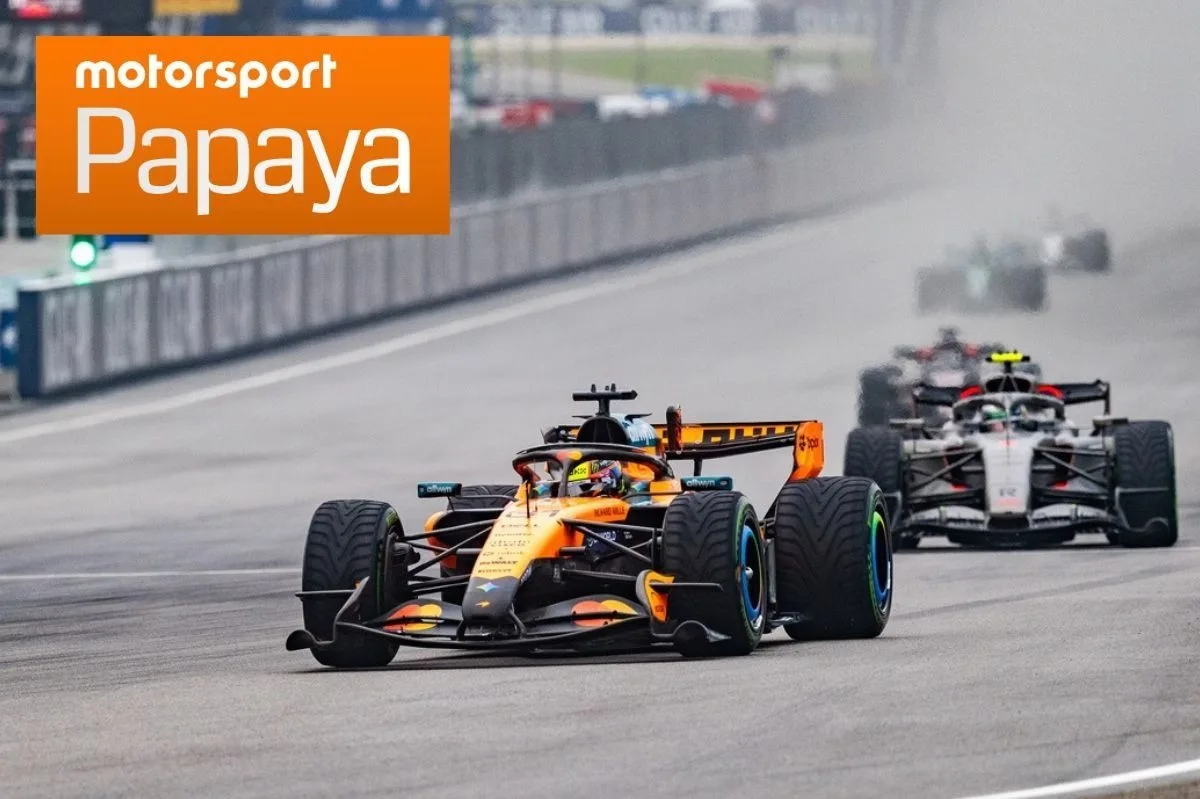
McLaren had to swallow a bitter pill at the Bahrain Grand Prix after misreading track conditions cost Lando Norris and Oscar Piastri positions from the early laps. Team principal Andrea Stella openly admitted that the decision to run medium tires on a wet track was an incorrect judgment that turned the race into a points-salvage mission.
The race at the Bahrain International Circuit actually offered a big opportunity for teams willing to take strategic risks. High tire degradation made planning crucial, but McLaren instead got stuck on the assumption that the track would dry quickly and that slick tires would immediately provide grip. That assumption turned out to be badly off the mark.
Stella explained that his team saw the intermediate tires degrading very quickly on the laps to the grid, while Bahrain's asphalt is known to be kinder to slick tires than other circuits. “We thought the slicks would switch on quickly, but in reality it needed more laps,” he said. As a result, both Norris and Piastri lost valuable time.
The decision not to split strategies between the two drivers came under scrutiny. Stella stressed that there was no simple logic to dividing tactics, but purely a belief that the slick tires would work soon. “We may have led Lando in the wrong direction. He should have pitted for intermediates,” Stella admitted.
“This is the most complicated moment. After that, the other decisions were relatively easier,” Stella said, stressing that the early mistake was the root cause.
Meanwhile, Norris revealed that his team was quite persuasive in convincing him to use the medium tires. “It felt a bit risky, but quite a few people convinced me it was the right decision. My intermediates were destroyed after one lap, so we believed the slicks would work,” he said. He also noted that the lack of intermediate tire data that weekend made the assessment biased.
This mistake was a blow for McLaren, which is trying to challenge the dominance of Red Bull and Mercedes. Nevertheless, the incident in Bahrain could be a valuable lesson about the importance of strategic flexibility and the ability to read track conditions in real time. In a race full of uncertainty, split-strategy decisions often save the day, but McLaren chose to stick with one assumption that turned out to be wrong.
Going forward, McLaren is required to be more adaptive, especially at circuits with unpredictable weather. Can they bounce back and improve communication between the pit wall and the drivers? Only time will tell, but the pressure to fix things quickly is growing.