Rupert Everett Chooses Isolated Life in the Countryside After His Mother's Death
Baca dalam 60 detik
- Aktor Rupert Everett mengaku menjalani kehidupan yang sangat berbeda setelah pindah ke Wiltshire, Inggris, dan kini merasa terisolasi.
- Ia merawat ibunya, Sara, hingga wafat pada 2025 dalam usia 91 tahun, dan memilih menetap di desa yang sama bersama suaminya, Henrique.
- Everett menyebut kesendirian ini sebagai pilihan yang membahagiakan dan mengaku mendapat keistimewaan bisa mendampingi sang ibu di akhir hayatnya.
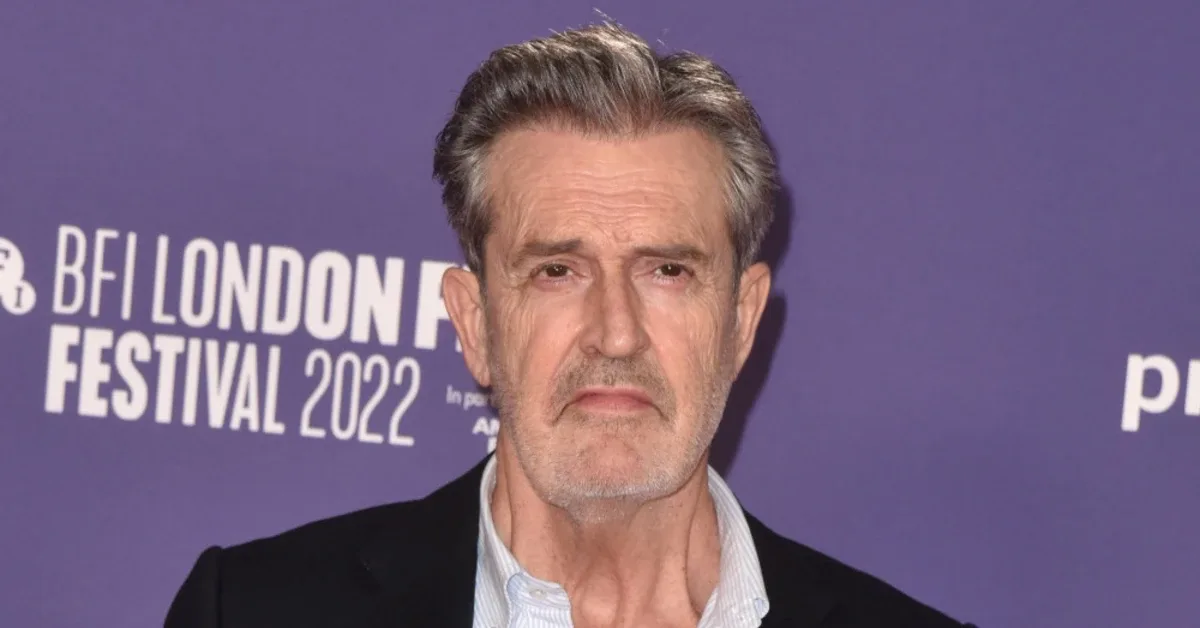
Veteran actor Rupert Everett has revealed that his life changed completely after settling in the countryside of Wiltshire, England. The 67-year-old man admits he now spends more time alone, but insists that the solitude is not a sad form of alienation. The decision came after he cared for his mother, Sara, who died in 2025 at the age of 91.
Everett moved to Wiltshire to accompany his mother in her old age. After Sara passed away, he chose to remain in the same village with his husband, Henrique. In an interview with Hello! magazine, he stated that his life now is "very different" and that he enjoys the calm and closeness to nature. "I am very happy," he said, adding that living in the place where his parent died makes him feel emotionally bound to it.
Everett's decision to settle in the countryside reflects a life choice that is increasingly common among public figures who want to get away from the bustle of the city. What sets it apart, however, is the depth of the personal reason behind it. He admits he felt empty after his mother's death, but is grateful he could be by her side until the end. "Caring for a dying parent is a privilege," he told The Telegraph.
In a separate interview, Everett described the feeling of loss with a touching metaphor. "What I feel now is emptiness. When my mother was still here, there was a vibration that was always present—like the sound of a motorboat in the distance. Then suddenly it was gone," he said. He stressed that a mother's love cannot be replaced by any technology, including artificial intelligence.
"No AI or machine can recreate that vibration, because it is love flowing from a mother to her child." — Rupert Everett
Everett also recounted the process leading up to the end of his mother's life. He promised he would not put her in a nursing home or let her die in a hospital. "Palliative care is not for the weak. But there is something beautiful about watching someone slowly disappear," he said. He feels fortunate to have been able to be there, while his older brother, Simon, was not present at the time.
Everett's story highlights the reality of elderly care, which often becomes an emotional and financial burden for families. In Indonesia, a similar phenomenon is also common, especially in areas with limited access to health services. Many families choose to care for their parents at home, even if they have to sacrifice their careers and personal time. Everett's choice to remain in the village after his mother's death can serve as a mirror of how ties to a place and memories shape a person's life decisions.
Going forward, the public may see Everett less often on the big screen. But for the actor known for his role in the film Rivals, happiness is no longer measured by the spotlight of the camera, but by the peace of nature and the memories he tends in the small village of Wiltshire. Will this kind of life choice become a new trend among aging celebrities? Time will tell, but Everett has already found his own answer.