The Mystery of 200 Watts in Tesla Powerwall: Not a Fault, Here's the Explanation
Baca dalam 60 detik
- Pemilik Tesla Powerwall di Australia mengamati konsumsi daya 150–200 watt meski baterai penuh atau kosong, memicu diskusi di forum Reddit.
- Komunitas menduga daya tersebut merupakan konsumsi standby untuk sirkuit kontrol, kipas, dan sistem manajemen termal, bukan indikasi kerusakan.
- Fenomena ini menyoroti trade-off antara kesiapan backup dan efisiensi energi yang perlu dipahami calon pengguna baterai rumah.
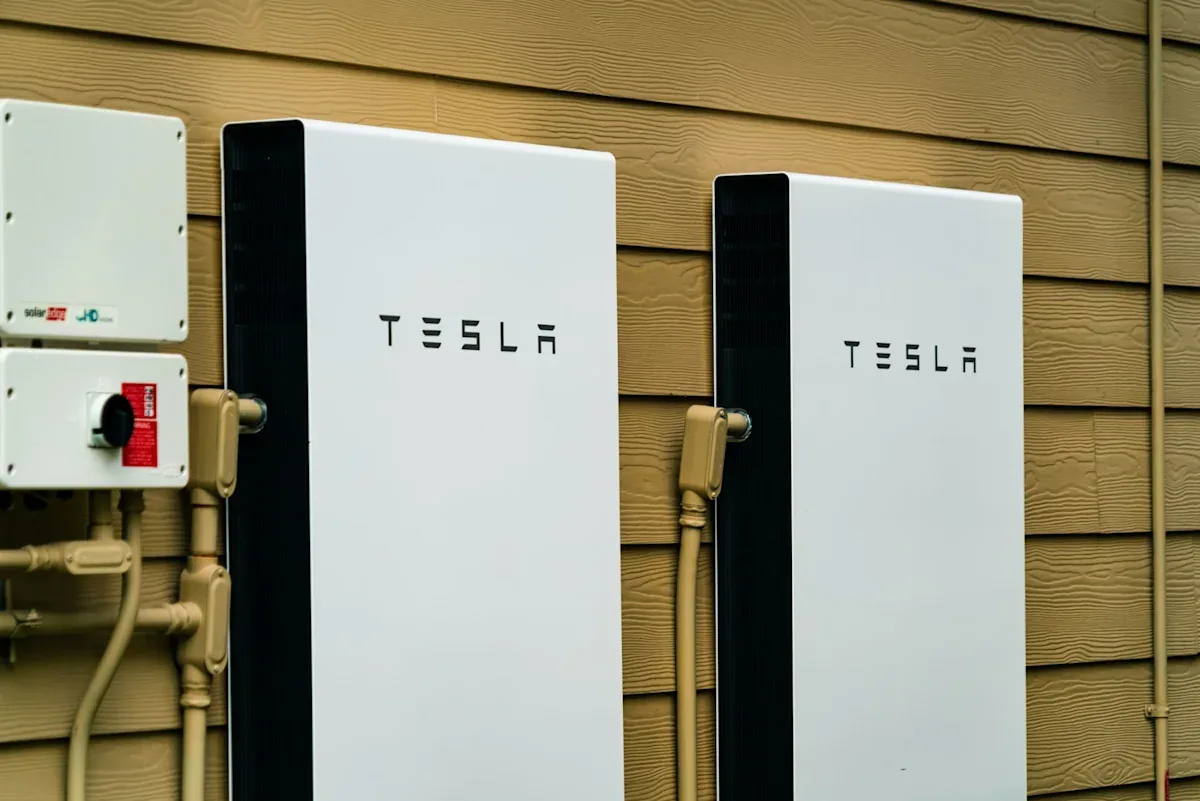
A Tesla Powerwall owner in Australia questioned the continuous power consumption even when the battery is full or empty. In a post on the Reddit forum r/Powerwall, he reported that his two Powerwall 2 units keep drawing 150–200 watts from the grid or solar panels, even when there is no charging or discharging activity. The question drew attention because many households are adopting battery storage to cut electricity bills and maintain supply during outages.
The discussion quickly pointed to a technical explanation: the consumption is not a sign of a fault, but part of the system's normal operation. One commentator said the device stays on to avoid a longer response delay when needed. Another commentator estimated that a total of about 100 watts per battery is allocated to control circuits, cooling fans, and other electronic components that ensure the system is ready to respond instantly to surges in electricity demand.
This debate highlights an aspect rarely discussed in home battery marketing: real-world efficiency. For owners who actively monitor solar exports and nighttime consumption, seemingly small standby power can accumulate into tens of kilowatt-hours each month. In the Australian context, where rooftop solar and home battery penetration is the highest in the world, questions like this are relevant for regulators and the industry. The Australian government itself has promoted community battery programs, including the Megapack project in New South Wales designed to provide eight hours of storage to stabilize the grid.
"The system stays active. If not, the delay to start up would be much greater," said a forum user, describing why standby consumption is needed for rapid response.
For Indonesia, this phenomenon offers an important lesson as renewable energy adoption increases and plans for large-scale battery development to support the energy transition grow. Consumers and property developers considering battery storage need to understand that these devices are not merely passive energy savings, but active systems that consume power to maintain reliability. Raising awareness about standby consumption can prevent unrealistic expectations and encourage more efficient system design, for example by placing batteries in temperature-stable rooms to reduce cooling load.
Going forward, questions about standby efficiency will become increasingly crucial as more households and communities rely on batteries as the backbone of energy resilience. Will manufacturers introduce ultra-low standby modes or more transparent consumption monitoring features? The answer will not only determine customer satisfaction, but also the long-term economic viability of energy storage in tropical climates like Indonesia.