US Pulls 12 B-1 Bombers from UK in 25 Hours as Iran Threat Escalates
Baca dalam 60 detik
- Seluruh armada B-1 Lancer AS di RAF Fairford ditarik ke pangkalan induk di South Dakota setelah intelijen mendeteksi ancaman serangan yang meningkat drastis.
- Penarikan kilat ini dinilai tidak lazim karena terjadi di negara sekutu yang damai, memicu spekulasi tentang kualitas informasi intelijen yang memaksa keputusan tersebut.
- Insiden ini mempertegas eskalasi ketegangan AS-Iran yang berpotensi mengganggu stabilitas kawasan dan rantai pasok energi global, termasuk bagi Indonesia.
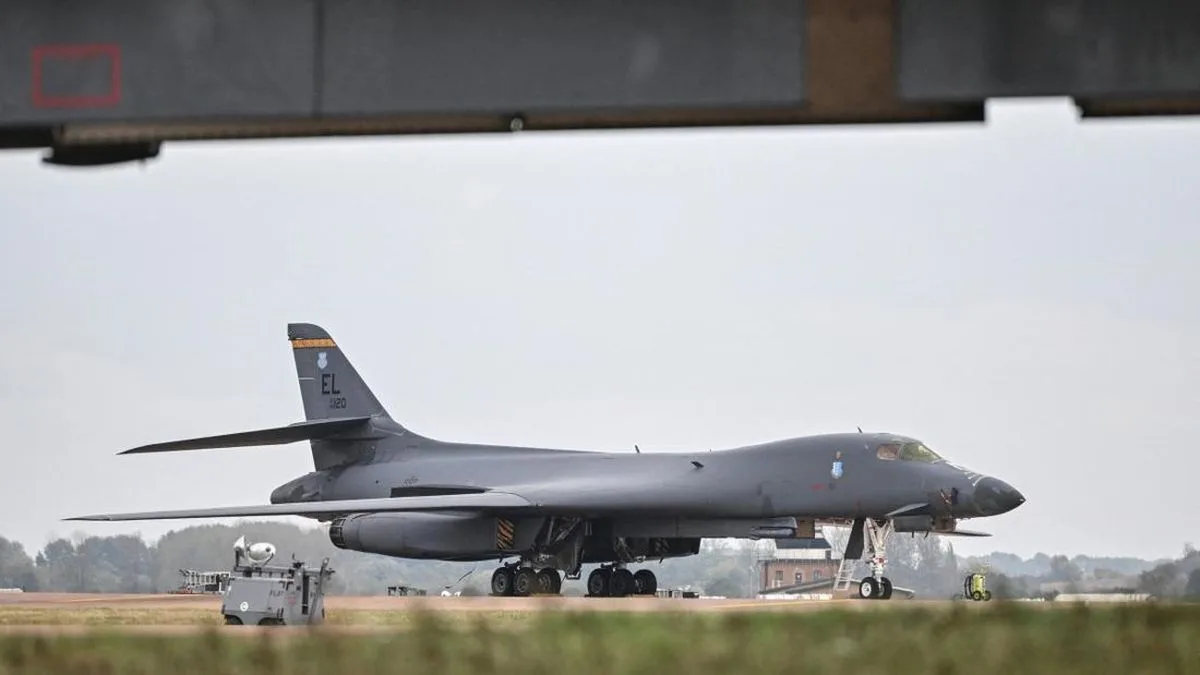
The United States Air Force withdrew all of its B-1 Lancer bombers from RAF Fairford, England, in a lightning operation that took only 25 hours. The decision was made after intelligence detected a specific attack threat allegedly orchestrated by Iran, marking one of the fastest withdrawals of strategic assets from allied territory in recent years.
US European Command confirmed that the 12 bombers were in the process of returning to their home base at Ellsworth, South Dakota. Some aircraft were even flown straight back to the US while refueling tankers were still deployed to support the mission. Three units had landed on Sunday (4/10), while the rest were expected to follow shortly.
What makes this maneuver suspicious is the UK's status as a NATO ally that is not in an active conflict. Two US officials cited by the media described the total withdrawal from an airbase in a peaceful country as "highly unusual." Several aircraft had only arrived at Fairford a week earlier as part of a routine rotation, so the decision to pull them back suddenly indicates the emergence of urgent new information.
The withdrawal is not without precedent. A week earlier, British police arrested five men in a white van near RAF Fairford. They were detained on suspicion of terrorism-related offenses but were released on bail a day later after authorities found no explosives. Nevertheless, the incident reinforced concerns about a network monitoring the movement of US military assets in the UK.
"We can confirm at this time that all US bombers deployed to RAF Fairford are being relocated back to their home base in the US," said a statement from US European Command, as quoted by The New York Times.
An intelligence source revealed that the latest warning resembled a threat that emerged three weeks earlier. However, the level of urgency and specific detail surged dramatically in less than two days, forcing decision-makers to act quickly. US officials were reluctant to detail the nature of the new information, citing operational security.
For Indonesia, this escalation is not merely a distant event in another part of the world. Rising US-Iran tensions could trigger a spike in global crude oil prices, given that Iran controls the Strait of Hormuz, a vital route for tankers heading to East Asia. The Indonesian government needs to closely monitor the indirect effects on energy subsidies and the stability of the rupiah exchange rate if open conflict breaks out. In addition, Indonesia's non-aligned position is often tested when geopolitical pressure forces countries to choose sides.
The withdrawal of bombers from the UK also raises questions about the effectiveness of US deterrence in Europe. If a base in an allied country is considered vulnerable to Iranian proxy threats, what about other bases closer to the conflict zone? This move could be read as a signal that Washington is reducing its exposure of expensive assets in hard-to-protect areas, or that it is preparing a more aggressive military option from an unexpected location.
Going forward, what needs to be watched is whether Iran will respond with further provocation or choose to de-escalate. Meanwhile, the UK as the host of the base must face a dilemma between meeting its alliance commitments and protecting its citizens from potential retaliation. The Indonesian public has the right to demand transparency from the government regarding the diplomatic steps taken to anticipate the economic fallout of this crisis.