US Pressure on Europe: Sponsors Pulled From Vilnius Disinformation Conference, Panel Criticizing Washington the Trigger
Baca dalam 60 detik
- Amerika Serikat menekan sejumlah negara agar menarik dukungan dari konferensi antidisinformasi #Disinfo2026 di Vilnius, Lithuania.
- Lithuania, Kanada, dan Dinas Diplomatik Uni Eropa (EEAS) kompak mencabut logo sponsor beberapa hari sebelum acara, meski program sudah beredar sejak Juni.
- Panel yang menyoroti AS sebagai aktor manipulasi informasi menjadi pemicu utama, sementara Uni Eropa tetap mendanai acara meski menarik branding.
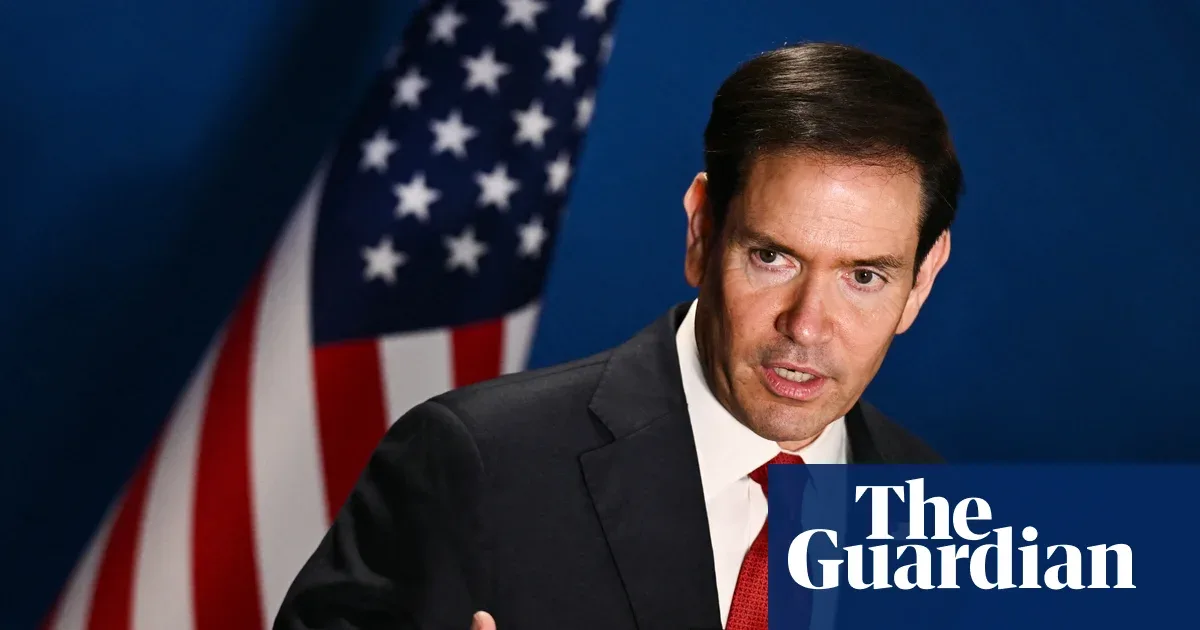
The administration of Donald Trump reportedly launched diplomatic pressure on several European countries to withdraw support from #Disinfo2026, the annual conference of the European anti-disinformation community held Wednesday-Thursday in Vilnius, Lithuania. Lithuania, Canada, and the European External Action Service (EEAS) ultimately agreed to pull their sponsorship, just days before the event began.
The conference, organized by the Brussels-based nonprofit EU Disinfo Lab, brought together hundreds of researchers, journalists, technologists, and policymakers. However, the logos of three main supporters—Lithuania's Ministry of Foreign Affairs, the EEAS, and Global Affairs Canada—abruptly disappeared from the event's official website. Photos obtained by the Guardian show white stickers covering the organizations' logos on printed conference materials, indicating the withdrawal was done hastily.
Three sources familiar with the matter, including a European official, confirmed that the US State Department contacted several governments regarding their support for the conference. Internal State Department documents seen by the Guardian even include Washington's thanks to Lithuania for being deemed to "take US concerns seriously." The document says the US is "grateful" that Lithuania considered the panel framing the US as a foreign information threat "unwarranted and surprising," and welcomed Lithuania's decision to limit its involvement.
The panel in question was titled "USA as a FIMI threat: adapt, acknowledge, push back"—FIMI stands for foreign information manipulation and interference. The panel, held Wednesday, explored how the European anti-disinformation community can build resilience without Washington. This was the first time the conference discussed the possibility of the US as a disinformation actor in Europe. Sources and internal documents indicate the State Department explicitly highlighted this panel, which featured three American speakers, including a former CIA officer.
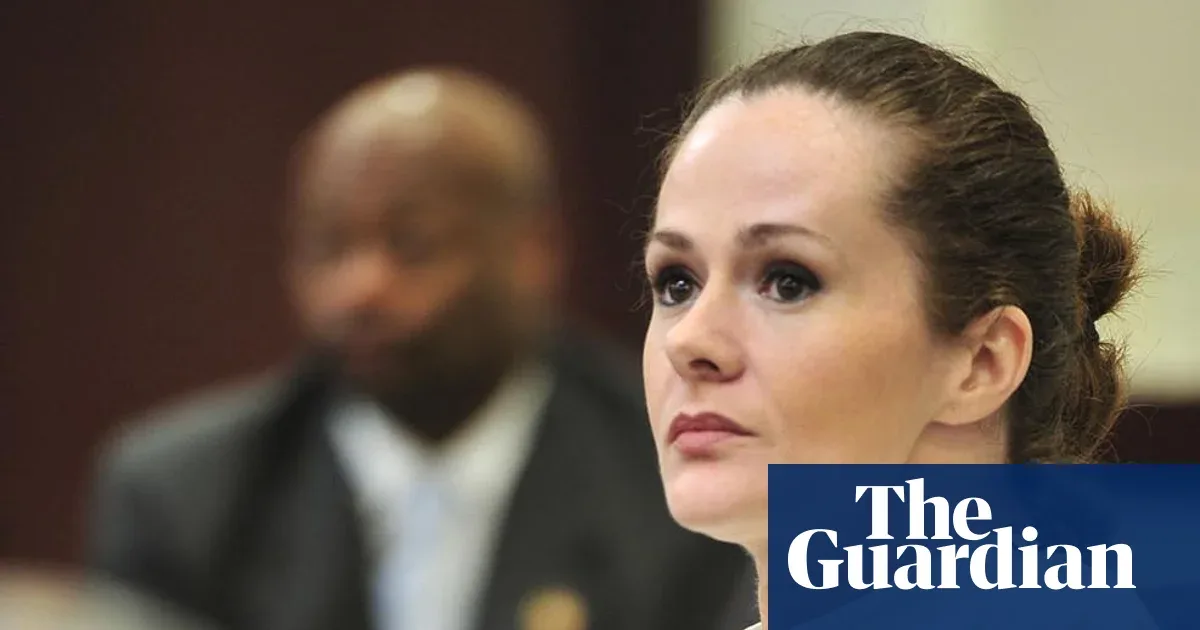
According to a source familiar with the discussions, other communications appeared to come from the office of Sarah B Rogers, US Under Secretary of State for Public Diplomacy. Nina Jankowicz, a former US official and disinformation expert who briefly led the Disinformation Governance Board in 2022, said she understood that Washington pressured Lithuania and Canada to withdraw. The Guardian also learned that France was contacted.
"What is happening here is that someone who claims to be a defender of free speech at the State Department is using the vast power of the US government to try to pressure Americans not to criticize their government," Jankowicz said.
In their official statements, Lithuania, Canada, and the European Union said the conference program did not align with their official views on the US role in disinformation. However, the program had been in place since June, long before they withdrew support. Lithuania's Ministry of Foreign Affairs wrote, "Lithuania has cancelled its participation in 'Disinfo 2026' because some parts of the conference program differ from the official position of the Government."
Global Affairs Canada spokesperson Samantha Lafleur said her office "carefully assesses participation in and sponsorship of external events on a case-by-case basis." "Following changes in the framing of some panel discussions, GAC decided to revise its participation in those sessions at the EU DisinfoLab 2026 conference," she said. Nevertheless, Canadian officials were still present at the conference. An EU spokesperson confirmed the EEAS withdrew support because "the organizers chose to frame some discussions in ways that do not align with the official EU position."
Despite withdrawing its branding as an official supporter, the European Union continued to fund the conference. In its latest report on foreign information manipulation threats released in March, the EU diplomatic service named Russia and China as "threat actors" without negatively referring to the US. A diplomatic source at the French Ministry of Foreign Affairs stressed, "there is no reason for us to change our commitment" in supporting the conference. "We continue to support civil society. This is not just a principle, but operational," the source said, describing the conference as a "laboratory" that helps Europe develop key policies on disinformation.
The US State Department has become increasingly aggressive toward free speech and civil society in Europe over the past year. The Guardian revealed that the department awarded millions of dollars in non-competitive grants to organizations across the continent that support Trump's agenda. Lithuania's withdrawal came shortly after Prime Minister Mindaugas Sinkevicius stated his country would fund a permanent US military base if approved, a day after Trump said he would consider the request. Sinkevicius called the American presence a guarantee of deterrence against Russia. "They're great people, so we'll certainly consider it," Trump said on Monday.
Lithuania's move raises questions about the boundary between national security interests and the principle of academic freedom in Europe. When diplomatic pressure becomes a tool to silence criticism, will the European anti-disinformation community be able to maintain its independence, or will it become increasingly co-opted by geopolitical interests? In the Indonesian context, this dynamic mirrors how major powers can influence public discourse in other countries—a warning for the national information resilience currently being built.