Florence Pugh Challenges 'East of Eden' Viewers to Ask About Women's Rights
Baca dalam 60 detik
- Florence Pugh berharap serial terbatas Netflix 'East of Eden' memicu diskusi kritis tentang isu perempuan kontemporer.
- Aktris 30 tahun itu memerankan Cathy Ames dalam adaptasi novel John Steinbeck, menyoroti relevansi tema lama dengan tantangan modern.
- Produksi tujuh episode yang padat menuntut Pugh mengadaptasi pendekatan aktingnya, dengan bahasa era berbeda dan jadwal ketat.
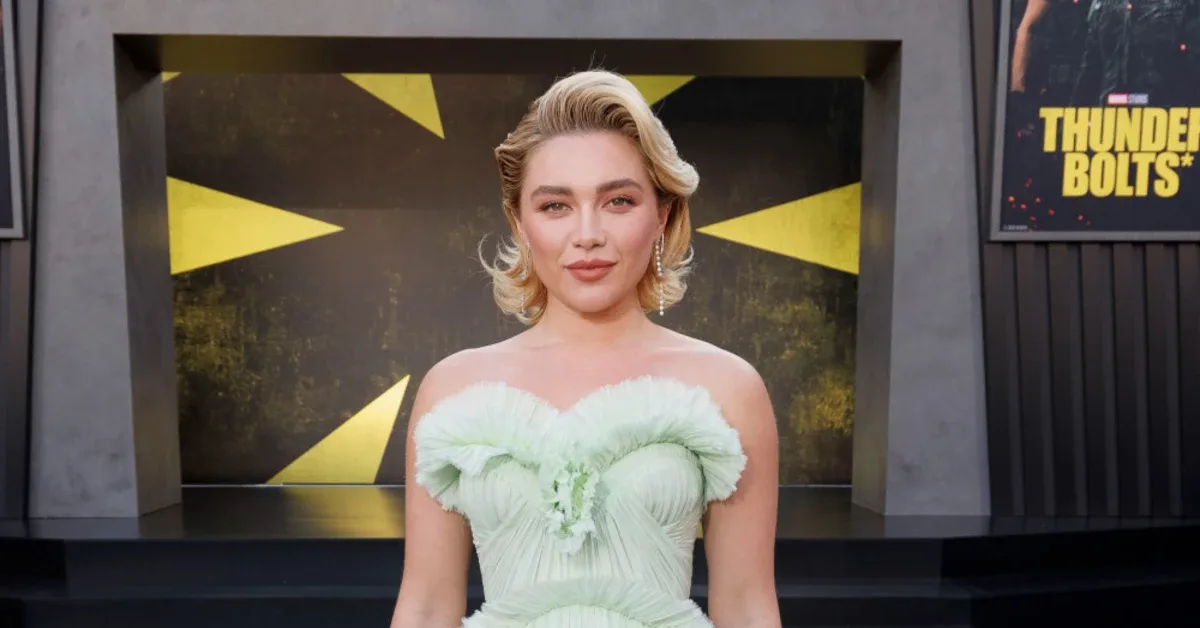
Florence Pugh, the Hollywood star who is now 30 years old, expressed her hope that the Netflix limited series East of Eden would not merely be something to watch, but a trigger for difficult questions about the condition of women today. In an interview with Tudum, the actress who plays Cathy Ames stressed that the adaptation of John Steinbeck's novel was deliberately designed to collide the realities of the past with the issues that still haunt modern society.
Pugh believes that a story set in a very different era can actually serve as a mirror for the regression she feels today. "We are facing changes that take us back miles in women's history," she said, adding that the demand for equality, respect, and control over one's own body will never be settled. She hopes viewers will be moved to ask: how far have we actually progressed, how do we sustain it, and if we have not, what steps must be taken.
Unlike her previous roles, Pugh admits that East of Eden demanded an entirely new acting approach. The language comes from a different period with its own distinctive rhythm, so she had to adjust her way of speaking and her immersion. "This was a big leap for me as a performer, because there was no downtime between scenes," she said. Even so, she stressed that the atmosphere on set remained warm, especially thanks to her chemistry with other cast members such as Christopher Abbott, whom she found very funny, and Mike Faist, who made the filming experience enjoyable.
"When we make a story from a time that feels distant, and that story reflects things we might be facing now, I hope it allows us to ask: how far have we actually come?" — Florence Pugh
Pugh's statement is not merely an artistic reflection. In recent years, the global entertainment industry has increasingly used period narratives to discuss gender issues, bodily autonomy, and social justice. Series such as The Handmaid's Tale or Mrs. America have proven that a past setting can be a sharp tool of critique against current policies and norms. East of Eden joins that wave, with Pugh as the main face carrying both the thematic weight and the commercial appeal.
For Indonesian viewers, this phenomenon can serve as a mirror. Discourse on women's rights, gender-based violence, and media representation remains unfinished homework. The presence of works like East of Eden on a global streaming platform opens a space for cross-cultural dialogue, though the challenge is how that message is translated into a diverse local context. Will this series spark a similar debate in Indonesia, or will it simply sink into entertainment consumption? The answer will depend heavily on how viewers and critics here respond to it.
What is clear is that Pugh does not want East of Eden to be enjoyed merely as a family drama with a historical setting. She hopes the series will trigger collective reflection on the direction of the struggle for equality. With the release date drawing closer, the question now turns to the public: are they ready to face the uncomfortable questions Pugh is asking, or will they choose to keep watching without questioning?