Jo Wood: Strictly Come Dancing Saved Me from Collapse After Divorce
Baca dalam 60 detik
- Jo Wood mengungkap bahwa keterlibatannya di Strictly Come Dancing 2009 menjadi titik balik pemulihan mental setelah perceraian dengan Ronnie Wood.
- Ia mengaku kehilangan kepercayaan diri total dan hampir tidak tahu harus berbuat apa tanpa tawaran dansa dari BBC tersebut.
- Kisahnya menyoroti bagaimana ruang kreatif dan dukungan sosial bisa menjadi intervensi non-klinis yang efektif bagi perempuan pasca-perpisahan.
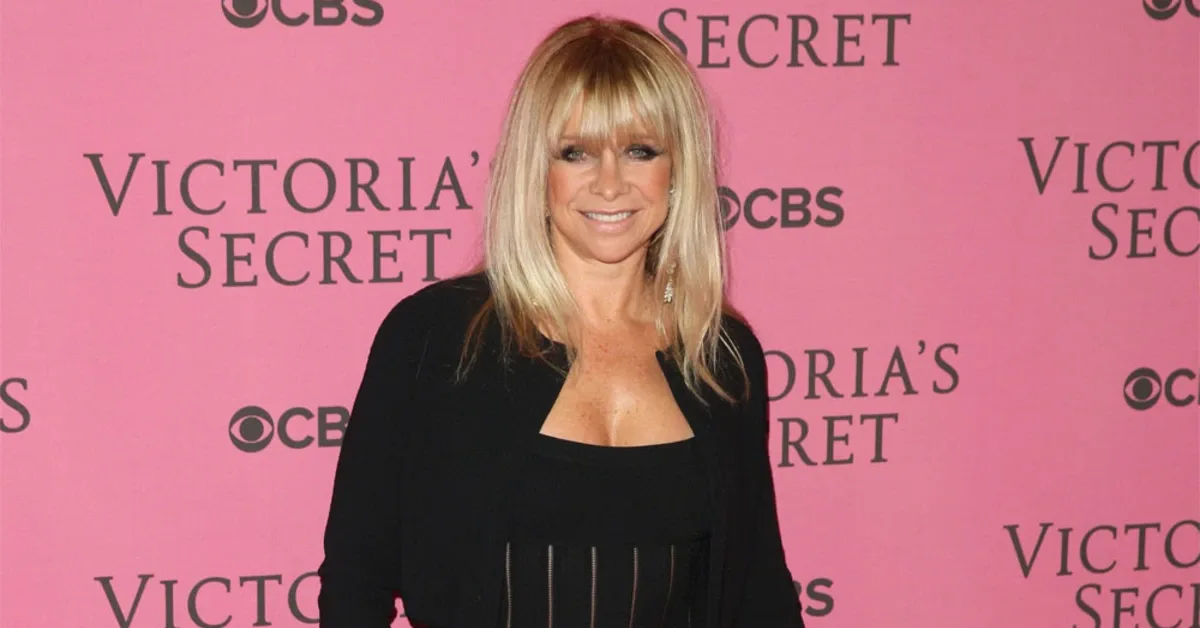
Jo Wood, a former model now aged 71, revealed that her appearance on Strictly Come Dancing in 2009 was her salvation when she was struggling after her divorce from Rolling Stones guitarist Ronnie Wood. In an exclusive interview with BANG Showbiz, she said the offer to dance on the BBC One program came just as she had lost her sense of direction in life.
The split from Ronnie came after 24 years of marriage. The couple separated in 2008 after Jo found evidence of infidelity. The divorce was finalized a year later, around the time Strictly was in production. For Jo, the dance floor was not merely entertainment but therapy that restored her shattered self-confidence.
"I had just come out of a marriage, and after that I was really tired. I had no confidence at all. It was my mother who pushed me to do it," she said. "Strictly gave me courage, happiness, and the drive to get out and live. It helped me more than I could have imagined."
"If I hadn't done Strictly, I don't know what would have happened. I needed something like that—I used to be a model, and I needed something to bring me back to life."
Jo was paired with professional dancer Brendan Cole. Although she lasted only until the sixth week after a samba that was judged less than satisfactory, the experience left a deep impression. She even said she still watches Strictly regularly every year, 17 years after taking part.
Strictly Come Dancing itself has returned with three new hosts: Emma Willis, Josh Widdicombe, and Johannes Radebe. The judging panel still features Dame Shirley Ballas, Craig Revel Horwood, Motsi Mabuse, and Anton Du Beke. Several celebrities, including Lacey Turner, Dani Dyer, John Nelis, and Jaime Winstone, are also competing for the glitterball trophy.
For this year's contestants, Jo has a firm message: don't dwell too much on the judges' criticism, especially Craig Revel Horwood's sharp remarks. "Criticism is hard to take, but they are really just trying to make you better and the show better," she said. She admitted she was once offended when Craig said her dancing was like a kangaroo. "You work hard, perform, and then get criticized—but remember, it's all for improvement. If you think about it too deeply, the pressure only grows. Forget it, remember your dance, and do it."
Jo Wood's story is not just a celebrity tale. It highlights how artistic and community activities can serve as a psychological safety net for those facing a personal crisis. In Indonesia, where stigma around mental health remains strong, Jo's experience can be a mirror showing that recovery does not always come through clinical channels—sometimes it arrives through a stage, a hobby, or simply the courage to try something new.
Looking ahead, the question is: will the entertainment industry and the wider public increasingly recognize the role of creative activity as part of trauma recovery strategies? Or will stories like Jo's remain seen as mere anecdotes, not lessons?