Budi Gunawan Appears at Palace Ahead of Wantimpres Inauguration, Speaks on Prabowo's Invitation
Baca dalam 60 detik
- Mantan Kepala BIN Budi Gunawan tiba di Kompleks Istana Kepresidenan pada Jumat sore, mengaku hadir atas undangan resmi tanpa membeberkan agendanya.
- Sejumlah figur senior seperti Pratikno, Jusuf Wanandi, dan Soekarwo mengonfirmasi kehadiran mereka untuk pelantikan anggota Wantimpres.
- Kemunculan Budi memicu spekulasi ihwal komposisi tim penasihat Presiden Prabowo dan arah konsolidasi kekuasaan pasca-reshuffle.
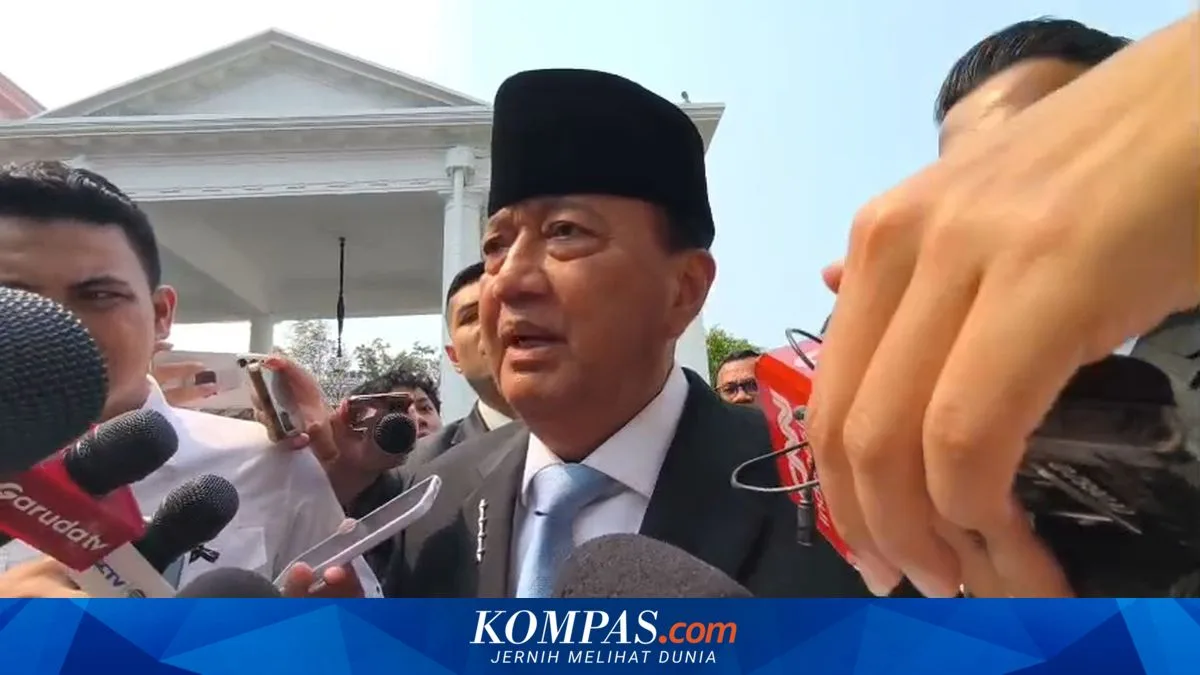
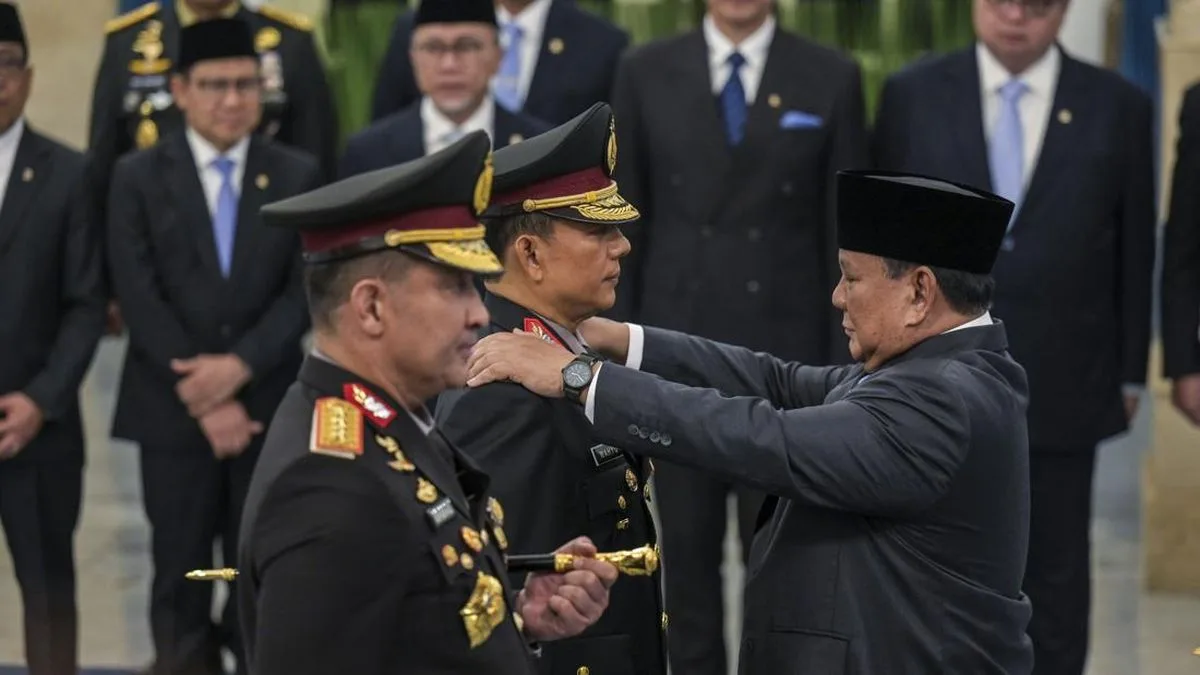
Former Head of the State Intelligence Agency (BIN) Police General (Ret.) Budi Gunawan appeared at the Presidential Palace Complex in Jakarta on Friday (2/10/2026) afternoon, hours before President Prabowo Subianto was due to inaugurate a number of officials. The man long regarded as a central figure in the corridors of power said he had not come on his own initiative but because he had received an official invitation from the Palace.
Budi, however, declined to detail the position or agenda he would take up. He chose to leave all explanations to the Palace. "Today I came here after receiving an invitation from the Palace. As for the agenda, we will follow the official statement first," he told reporters at the location. He then asked the public to wait for an official statement while requesting prayers that the whole process run smoothly.
Budi's appearance that afternoon was conspicuous: a suit with a blue tie, the same color worn by several other figures who had arrived since 13.30 WIB. It was no coincidence, as a string of names arriving at the same location said they had been invited to the inauguration of members of the Presidential Advisory Council (Wantimpres).
Former Coordinating Minister for Human Development and Culture Pratikno said he was present to attend the Wantimpres inauguration. A similar statement came from activist and senior researcher Jusuf Wanandi, who openly said he would be inaugurated as a member of the advisory body to the head of state. Former East Java Governor Soekarwo confirmed the same, though he was reluctant to comment at length because he had to attend a dress rehearsal.
Budi's appearance amid the inauguration proceedings sparked political interpretation. As a former number one at BIN, he holds strategic knowledge of the intelligence and national security landscape. If he does join the Wantimpres ranks, the composition of the advisory body would reflect a pull toward consolidation among bureaucratic power, academia, and regional political networks — a pattern presidents commonly pursue to strengthen policy legitimacy at the start or midpoint of a term.
Wantimpres itself is not a new institution. It was established to provide strategic input to the president, and its membership often mirrors the Palace's political priorities. The appointment of a figure with an intelligence background could be read as a signal that security, stability, and inter-agency coordination will take up a large share of the government agenda ahead. On the other hand, the inclusion of figures such as Jusuf Wanandi and Soekarwo shows an effort to reach into the base of foreign policy thinking as well as regional governance experience.
"We are waiting for an official statement from the Palace. Hopefully everything runs smoothly, we ask for your prayers," Budi Gunawan said at the Presidential Palace Complex.
For the public, what is most awaited is not merely who sits in the Wantimpres seats, but how much influence the body has on policy direction. History shows that Wantimpres effectiveness depends heavily on how close its members are to the president and how seriously their input is processed in the inner circle. The presence of senior names could mean two things: a strengthening of advisory capacity, or a sign that the Palace is tidying its ranks ahead of a larger political agenda.
Once the inauguration is over, the remaining question is how this new composition will work. Will Wantimpres become a genuinely influential consultation channel, or merely a ceremonial complement? The answer will be visible in the policies born in the coming months — and in how often the newly inaugurated names appear in decision-making rooms.