AI in Security Operations Centers: Workforce Pleased, but the Shadow of Automation Looms
Baca dalam 60 detik
- Survei Swimlane terhadap 500 pekerja keamanan siber di AS dan Inggris menunjukkan 62% merasa AI membantu mengasah keterampilan, namun 47% khawatir karier analis SOC akan semakin sulit di masa depan.
- Meski AI meringankan tugas repetitif, hampir separuh responden lebih memilih insting manusia saat rekomendasi AI bertentangan dengan bukti, dan 20% cemas timnya terlalu bergantung pada AI.
- Kesenjangan persepsi antara eksekutif dan praktisi terungkap: 74% pemimpin mengklaim adopsi AI sudah luas, sementara hanya 49% praktisi yang merasakan hal serupa.
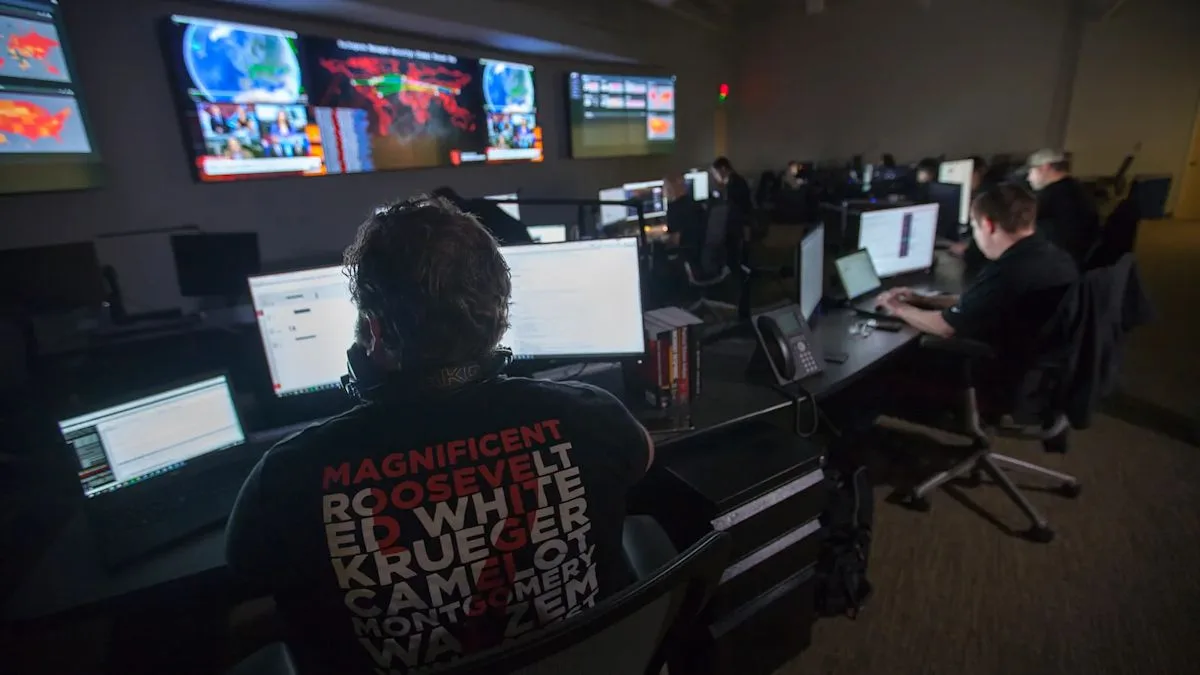
The adoption of artificial intelligence in security operations centers (SOCs) creates a paradox: on one hand it boosts job satisfaction and accelerates skill development, on the other it sparks concerns about the future careers of cybersecurity analysts. These findings come from a recent report by Swimlane, an agentic AI company, which surveyed 500 security workers in the United States and the United Kingdom between August and September.
The report reveals that 62% of respondents feel AI helps them develop their cybersecurity capabilities, and 92% of them report increased job satisfaction. However, not everyone experiences similar benefits. About 24% of workers instead believe AI limits their opportunities to improve their skills. Interestingly, even in this group, 91% say they are still more satisfied because AI reduces their workload. These findings offer a breath of fresh air amid other research showing that burnout is pushing many cybersecurity professionals to consider changing jobs.
Even so, the shadow of automation looms. Nearly half of respondents (47%) expect that careers as SOC analysts will become harder to come by in the future, as companies automate tasks that machines can perform at lower cost. More than four in ten respondents say AI has cut the time needed to investigate known threat patterns, while about a third report faster work in drafting remediation recommendations and in the alert review and triage process.
However, AI cannot yet fully replace human judgment. About half of respondents say they trust their instincts more when AI recommendations conflict with existing evidence. About one in five workers say their biggest concern is that teams become too dependent on AI advice. "As AI takes over more investigative work, analysts are increasingly responsible for validating evidence, handling exceptions, and making high-impact decisions," Swimlane said in its report.
"As AI takes over more investigative work, analysts are increasingly responsible for validating evidence, handling exceptions, and making high-impact decisions." — Swimlane
Nearly six in ten workers say AI opens new opportunities to sharpen strategic decision-making skills. This underscores AI's dual impact: reducing the need for human intervention in some areas, but increasing the need in others. On the other hand, there is a perception gap between executives and practitioners. Some 52% of leaders report being able to manage more security activities, compared with only 36% of practitioners. The difference also shows in views on how extensively companies use AI for cybersecurity: 74% of leaders call its implementation extensive, while only 49% of practitioners agree.
Swimlane notes that respondents from the two groups do not come from the same organizations, so these findings do not indicate disagreement about an identical environment. "But the pattern still matters because leaders often set investment priorities, define success, and communicate results," it added.
For Indonesia, this dynamic is an important mirror. Security operations centers at domestic companies, including banks and digital service providers, are starting to adopt AI for threat detection. However, the perception gap between management and technical staff can trigger policies that are out of step with conditions on the ground. If AI investment is based only on executive claims without understanding practitioners' experience, the risk of over-reliance and the loss of human touch in critical decision-making could rise. On the other hand, AI has the potential to be a solution for reducing the workload of analysts who have long been prone to burnout, provided it is matched with proper training and governance.
Going forward, the question is no longer whether AI will replace humans, but how organizations design hybrid roles that maximize AI's strengths and the advantages of human judgment. Without an adaptive HR strategy, the fears of 47% of workers about the future of the SOC analyst career could become a bitter reality.