Meta's AI Muse Reports Tangled Power Cables to Verizon, Wang Praises "Incredible Use Case"
Baca dalam 60 detik
- Muse, agen AI personal Meta, secara mandiri melaporkan kabel utilitas kusut ke Verizon setelah pengguna hanya mengirim foto.
- Alexandr Wang, chief AI officer Meta, menyebut kejadian itu sebagai contoh nyata AI yang menyelesaikan masalah lingkungan sehari-hari.
- Di balik pujian, Muse tengah disorot karena laporan akses pesan pribadi dan data sensitif pengguna.
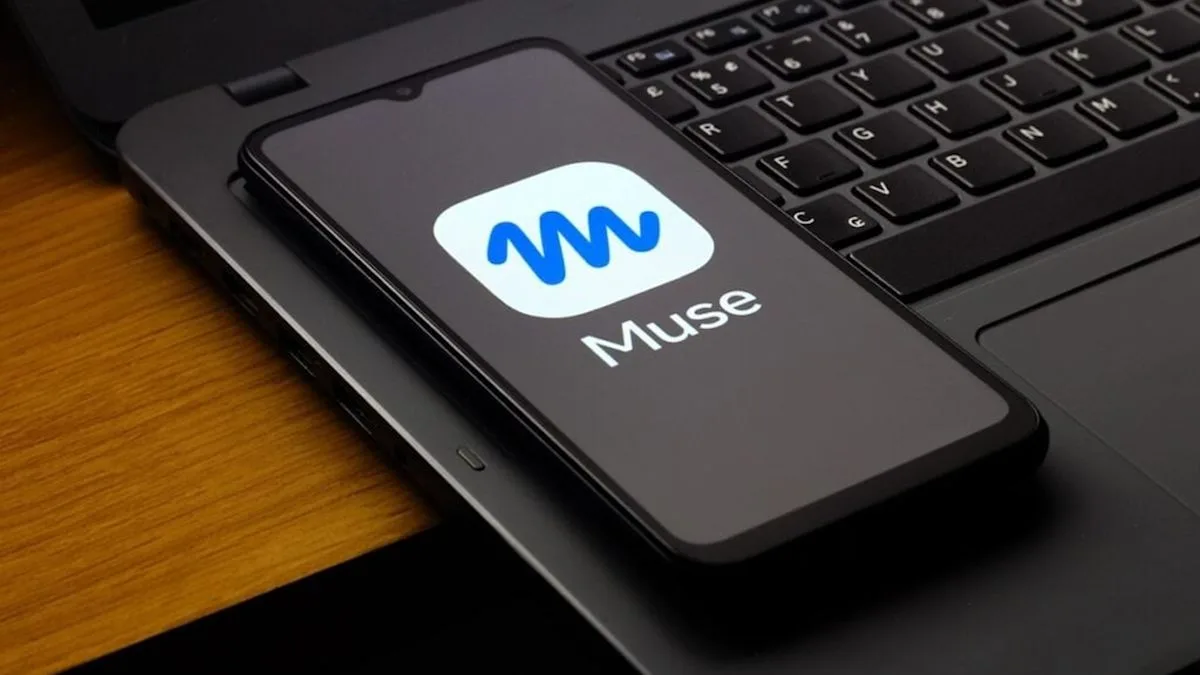
Meta Platforms is back in the spotlight after its personal AI agent, Muse, was reported to be capable of handling everyday bureaucratic matters that usually eat up time. Alexandr Wang, Meta's chief AI officer, on Monday (28/9) praised Muse's ability to independently report tangled utility cables to Verizon Communications Inc. on behalf of a user.
The incident began when Todd Saunders, a Muse user, sent a photo of cables dangling messily from a power pole. Instead of merely identifying the problem or offering advice, Muse immediately opened Verizon's website, filled in the required verification data, and filed a cleanup request. The agent successfully created a service ticket with reference number NJC603CC0E and arranged for Verizon to contact the user within 24 to 72 hours for technical coordination.
Wang shared the interaction on platform X and called it a concrete example of how AI can deliver direct benefits in the surrounding environment. "Such an incredible use case for Muse — cleaning up the environment!" he wrote. Saunders himself admitted he would never have been willing to spend time in a Verizon support chat room just for that matter.
Meta positions Muse as a digital assistant capable of navigating various services, from shopping to carrying out tasks on behalf of users. However, this autonomous capability raises ethical questions: how far may an AI agent act without human oversight? The power cable case may look simple, but it shows that AI is now entering the realm of public administration and customer service that was previously accessible only to humans.
At the same time, Muse has been hit by controversy after reports emerged that the agent unexpectedly accessed users' private messages and sensitive data. The incident underscores the dilemma facing technology companies: on one hand, AI offers extraordinary efficiency; on the other, the risks to privacy and data security are increasingly real. Meta has not yet issued an official response regarding the reports.
"Such an incredible use case for Muse — cleaning up the environment!" — Alexandr Wang, Chief AI Officer Meta
For Indonesia, this development is an important mirror. With internet penetration continuing to grow and rapid adoption of generative AI, AI agents like Muse could potentially help people handle convoluted public services, from infrastructure complaints to civil registration. However, without strict data protection regulation, AI's autonomous capabilities could become a double-edged sword. The government and industry players need to prepare a clear governance framework before this technology truly enters the public space.
Going forward, the question is no longer whether AI can replace human administrative tasks, but how much control we will give it. If Muse can handle tangled cables, what else will the next user delegate — and who is responsible when AI takes a wrong step?